
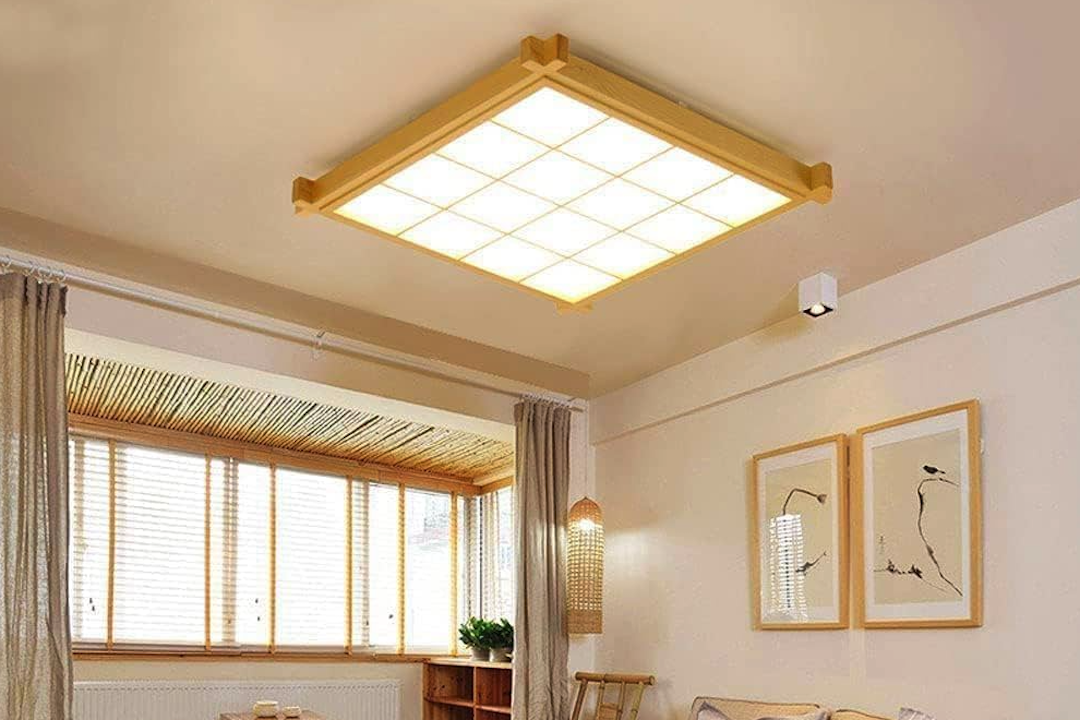
So, you’re thinking about getting a Japanese-style wood square geometric ceiling lamp for your study room? Smart move. These lamps can really bring a touch of calm and sophistication to a space, and they’re surprisingly practical too. In a nutshell, they offer soft, diffused light perfect for focused work, while their natural materials and clean lines create a serene atmosphere. Let’s dive into what makes these lamps a great choice for your study.
When we talk about “Japanese style” in home decor, it often conjures images of simplicity, natural materials, and a sense of harmony. For a study room, this translates into a workspace that feels less like a stark office and more like a tranquil retreat conducive to deep thought and concentration.
Embracing Minimalism and Simplicity
Japanese design principles are all about getting rid of the unnecessary. This means a clean, uncluttered aesthetic that can be a breath of fresh air in a room often filled with books, papers, and technology. A geometric wooden lamp Yibil embodies this perfectly. Its form is functional, its materials are natural, and it doesn’t demand attention, but rather enhances the overall environment.
The Power of Natural Materials
Wood, in particular, is a cornerstone of Japanese interior design. It brings warmth, texture, and a connection to nature that artificial materials simply can’t replicate. For a study lamp, this translates to a light fixture that feels organic and inviting, reducing visual stress and promoting a sense of well-being. The natural grain of the wood can also add subtle visual interest without being distracting.
Creating a Serene Atmosphere
A study room is meant to be a place where you can focus and think. A Japanese-style lamp, with its often diffused light and calming aesthetic, contributes significantly to this atmosphere. It avoids harsh shadows or glare that can strain your eyes, opting instead for a soft, even illumination that is gentle on the eyes and promotes a sense of peace.
Geometric Forms and Modernity
While drawing from tradition, Japanese design also embraces clean, geometric forms. A square geometric pattern isn’t just aesthetically pleasing; it offers a modern interpretation of classic design. This blend of traditional warmth and contemporary shape makes these lamps versatile, fitting well into both classic and modern study room setups.
Functional Beauty: More Than Just a Light Source
A well-chosen lamp is more than just a way to turn on the lights. It’s a piece of decor that actively contributes to the functionality and feel of your space. A Japanese-style wood square geometric ceiling lamp is designed to do just that – provide excellent lighting for detailed tasks while simultaneously enhancing the overall aesthetic of your study.
Understanding the “Wood Square Geometric” Aspect
Let’s break down what makes these lamps distinct. The combination of “wood,” “square,” and “geometric” tells you a lot about their design and potential impact on your study.
The Role of Wood in the Design
The type of wood used can vary, but it’s usually a lighter hardwood like pine, birch, or ash. These woods are chosen for their natural beauty, durability, and ability to be worked into clean, precise shapes. The natural variations in wood grain add a unique character to each lamp, ensuring yours won’t be identical to anyone else’s.
Material Honesty
Japanese design often emphasizes “material honesty,” meaning the beauty of the material is showcased rather than hidden. With these lamps, you’ll see the grain, the natural color, and the quality of the wood itself, which adds a tactile and visual richness.
Warmth and Texture
The inherent warmth of wood is a significant advantage in a study. It can counteract any feeling of coldness from technology or hard surfaces, creating a more inviting and comfortable environment. The textured surface of wood also adds a subtle sensory element that can be grounding.
The Significance of the Square Form
The square is a fundamental geometric shape, often associated with stability, balance, and order. In a study room, these associations can be subtly beneficial, promoting a sense of focus and control over your work.
Clean Lines and Structure
Square lamps provide clean, defined lines that can help organize a visual space. This is particularly useful in a study where you might have a lot of different elements at play. The geometric precision can create a sense of order.
Versatility in Placement
A square ceiling lamp can be quite flexible in terms of placement. It doesn’t have the same directional emphasis as a rectangular or round fixture, making it easier to orient within your room. This is especially helpful for smaller or irregularly shaped study spaces.
The “Geometric” Element: More Than Just Shapes
When we say “geometric,” it usually refers to patterns or structures within the lamp itself, often created by the wooden elements. This can manifest in various ways, from simple stacked squares to more intricate patterns.
Pattern and Visual Interest
Geometric patterns can add a layer of visual interest without being overly ornate. They can create a subtle focal point or a dynamic element that breaks up a plain ceiling. The interplay of light and shadow cast by these geometric elements can be particularly captivating.
Light Diffusion and How it Works
The geometric arrangement of wood often serves a crucial functional purpose: diffusing light. Instead of a single, harsh light source, the wood panels or slats break up and soften the light, spreading it evenly across the room. This is paramount for comfortable study.
Modern vs. Traditional Geometric Influences
While the term “geometric” can sound modern, many Japanese geometric patterns are rooted in traditional crafts and architectural elements. You might see designs inspired by shoji screens or traditional joinery, which adds depth and cultural resonance.
Practical Benefits for Your Study Room
Beyond aesthetics, these lamps offer tangible advantages for anyone who spends significant time working or studying at home.
Optimal Lighting for Focus and Productivity
The primary function of a study lamp is to provide good lighting. Japanese-style geometric lamps excel in this area, especially when it comes to reducing eye strain.
Soft, Diffused Illumination
Harsh overhead lighting can cause glare, headaches, and fatigue. The wood construction and geometric design of these lamps are specifically engineered to soften and diffuse the light. This creates a more natural, ambient glow that is easier on your eyes during prolonged periods of reading or computer work.
Avoiding Glare on Screens
If you work on a computer, glare is a major concern. The diffused light from these lamps minimizes reflections on your screen, allowing for a more comfortable and productive experience.
Color Temperature Matters
While not exclusive to Japanese lamps, many come with options for warm white or neutral white light. For a study, a neutral white (around 4000K) is often recommended as it mimics natural daylight, promoting alertness and focus without being too cool or stimulating. Warm white can be good for a more relaxed atmosphere but might not be ideal for intense work sessions.
Enhancing the Ambiance for Better Concentration
The right lighting can significantly influence your mood and ability to concentrate. A Japanese-style lamp creates an intentional atmosphere that supports focused work.
Reducing Visual Clutter
The minimalist design of these lamps contributes to a less visually cluttered environment. A calm and organized space can lead to a calmer and more organized mind, which is ideal for productivity.
Promoting a Sense of Calm and Relaxation
While promoting focus, the natural materials and soft light also induce a sense of calm. This balance is crucial for effective study, as it helps you avoid burnout while staying engaged.
Connection to Nature Indoors
Having natural materials like wood indoors can have a grounding effect. It brings a touch of the outdoors in, which can be incredibly beneficial for mental well-being, especially if you spend a lot of time indoors.
Energy Efficiency Considerations
Modern ceiling lamps are generally designed with energy efficiency in mind, and Japanese-style ones are no exception.
LED Technology Integration
Most of these lamps will utilize LED bulbs. LEDs are incredibly energy-efficient, consuming significantly less electricity than traditional incandescent bulbs. This means lower electricity bills and a smaller environmental footprint.
Longevity of LED Bulbs
Beyond energy savings, LEDs have a much longer lifespan. This means less frequent bulb replacements, saving you time and money in the long run. For a ceiling lamp that’s likely to be on for extended periods, this is a considerable benefit.
Dimmable Options for Versatility
Some Japanese-style lamps offer dimmable features. This adds another layer of practicality, allowing you to adjust the light intensity based on the time of day or the specific task. Lowering the light can be great for winding down after work or for a more relaxed reading session.
Choosing the Rightlamp for Your Study
With so many options out there, selecting the perfect Japanese-style wood square geometric ceiling lamp requires a bit of consideration about your specific needs and space.
Size and Scale Considerations
The size of the lamp should be proportionate to the size of your study room. A lampshade that is too large can overpower a small room, while one that is too small might not provide adequate illumination for a larger space.
Matching Lamp to Room Dimensions
General guidelines suggest considering the square footage of your room. For a small study (under 100 sq ft), a lamp with a diameter or width of 15-20 inches might be suitable. For larger rooms (over 200 sq ft), you might look at lamps in the 20-30 inch range or larger. It’s always worth checking the manufacturer’s recommended room size.
Ceiling Height Impact
The height of your ceiling also plays a role. For rooms with lower ceilings, a flush-mount or semi-flush mount lamp will be more appropriate than a pendant-style fixture. Japanese-style square lamps are often designed as flush mounts, making them ideal for spaces where ceiling height is a concern.
Material and Finish Preferences
The type of wood and its finish can subtly alter the overall look and feel of your study.
Light vs. Dark Wood Tones
Lighter wood tones (like natural birch or pine) tend to make a room feel more open and airy, which can be great for smaller studies or those that feel a bit enclosed. Darker wood tones can add a sense of depth, warmth, and sophistication, but might make a small room feel a little smaller.
Natural, Stained, or Painted Finishes
A natural wood finish showcases the grain and inherent beauty of the material. Stained finishes can offer more color variations, from honey tones to richer browns, allowing you to match the lamp to existing furniture. Painted finishes, while less common for this style if you’re aiming for tradition, are also an option and can offer a bolder statement.
Geometric Pattern Preferences
The specific geometric pattern can range from very simple to quite intricate.
Subtle vs. Bold Patterns
Consider what level of visual interest you want. A simple grid pattern offers a clean, modern look. More complex patterns, perhaps inspired by Japanese lattice work (koshi), can add a richer, more traditional feel. Think about whether you want the lamp to be a subtle accent or a more prominent design feature.
The Effect of Different Patterns on Light
The design of the geometric pattern directly influences how the light is diffused. Some patterns might create more defined shadows or light pools, while others will aim for complete uniformity. For a study, a pattern that ensures even, shadow-free illumination (like many criss-cross or layered geometric designs) is usually the most practical.
Light Source and Lumens
When selecting any ceiling lamp, paying attention to the light output is essential.
Understanding Lumens for Brightness
Lumens (lm) measure the total amount of visible light emitted by a source. For a study, you want sufficient lumens for task lighting. A general rule of thumb for living areas and studies is around 10-20 lumens per square foot. For a 100 sq ft study, this means aiming for 1000-2000 lumens in total, which can be achieved by a single bright lamp or multiple light sources.
Integrated vs. Replaceable Bulbs
Many contemporary geometric lamps have integrated LED lights. This means the light source is built-in and not replaceable. While this offers a streamlined design, it means the entire fixture might need replacing if the LEDs fail. Lamps with standard bulb sockets (E26/E27 base in many regions) offer more flexibility in choosing bulb types and easy replacement, but might have a slightly bulkier design.
Installation and Maintenance Tips
Once you’ve chosen your lamp, getting it installed and keeping it looking good is straightforward.
Professional Installation vs. DIY
Ceiling lamps, especially those that are hardwired into your home’s electrical system, often require a bit of electrical know-how.
When to Call an Electrician
If you’re not comfortable working with wiring, circuit breakers, or mounting heavy fixtures, it’s always safest to hire a qualified electrician. They can ensure the lamp is installed correctly and safely, meeting all local building codes.
DIY Installation Basics (for the Confident)
If you have some experience with basic home electrical work, you might be able to tackle the installation yourself. This typically involves turning off the power to the circuit at your breaker box, removing the old fixture, connecting the wires according to the instructions (usually black to black, white to white, and ground to ground), and then securely mounting the new fixture. Always follow the manufacturer’s instructions precisely.
Caring for the Wood Elements
Wood requires a bit of care to maintain its beauty and longevity.
Regular Dusting
Like any piece of furniture, your wooden lamp will benefit from regular dusting with a soft, dry cloth. This prevents dust buildup that can dull the finish and make it harder to clean later.
Gentle Cleaning Solutions
For any grime that dusting doesn’t remove, use a slightly damp (not wet) cloth. For stubborn spots, you can use a minimal amount of mild wood cleaner. Always test any cleaning product on an inconspicuous area first to ensure it doesn’t damage the finish. Avoid harsh chemicals or abrasive cleaners, which can scratch or discolor the wood.
Avoiding Moisture and Direct Sunlight
Excessive moisture can cause wood to warp or swell. While a ceiling lamp is less prone to direct moisture than other wood furniture, it’s still best to avoid placing it in areas with high humidity if possible. Prolonged exposure to direct sunlight can also cause wood to fade over time, so consider this if your study gets intense sun exposure.
Maintaining Luminescence (for LED Integrations)
If your lamp has integrated LEDs, there’s not much direct maintenance required for the light source itself.
Cleaning the Diffuser
The material that diffuses the light (often acrylic or fabric) might become dusty or smudged over time. Gently wipe it clean with a soft, dry or slightly damp cloth, depending on the material, following the manufacturer’s recommendations.
Troubleshooting LED Issues
If you notice flickering or dimming from integrated LEDs, it’s usually an indication of an internal issue. In most cases, this would mean contacting the manufacturer for warranty service or, if out of warranty, considering fixture replacement.
Beyond the Study Room: Where Else They Fit
While we’re focusing on the study, the appeal of Japanese-style wood square geometric ceiling lamps extends to other areas of the home. Understanding this versatility can sometimes influence your choice, as you might appreciate the aesthetic enough to consider it elsewhere.
Living Areas and Lounges
In a living room or lounge, these lamps can provide a soft, ambient light that complements a relaxed atmosphere. The natural materials add warmth and texture to the space.
Creating a Cozy Ambiance
The diffused light is perfect for creating a cozy and inviting atmosphere, ideal for unwinding after a long day.
Adding Natural Elements to Modern Decor
They can provide a welcome contrast to modern furniture and decor, bringing in a touch of nature and organic form.
Bedrooms and Hallways
A bedroom is another space where a serene and tranquil atmosphere is desired. In hallways, they offer a gentle illumination.
Promoting a Peaceful Sleep Environment
In a bedroom, a soft, warm light is conducive to relaxation and preparing for sleep.
Subtle Welcome in Entryways
A well-placed geometric lamp in a hallway or entryway can provide a welcoming and stylish introduction to your home.
Dining Areas (with careful consideration)
While task lighting is key for a study, for dining, the ambiance is often paramount.
Soft Light for Intimate Meals
If the geometric pattern allows for a very soft, even spread of warm light, it could work for a dining area, creating an intimate setting. However, direct overhead light can sometimes detract from dining experiences, so this is a more specific application.
Balancing Ambiance with Practicality
The key here is balance. The lamp needs to provide enough light for guests to see their food, but not so much that it feels harsh or clinical. Dimmable options are highly recommended for dining areas.
Creative Spaces and Workshops
For artists, crafters, or anyone using a dedicated creative space, good, diffused lighting is essential for detail work.
Preventing Shadows During Detailed Work
Similar to a study, the even illumination prevents harsh shadows that can obscure fine details in artistic projects or crafting.
Inspiring and Calm Environments
The aesthetic can also contribute to a more inspiring and less visually distracting creative environment.
By understanding the core principles and practical applications of Japanese-style wood square geometric ceiling lamps, you can make an informed decision that will enhance your study room – and potentially other areas of your home – for years to come.