
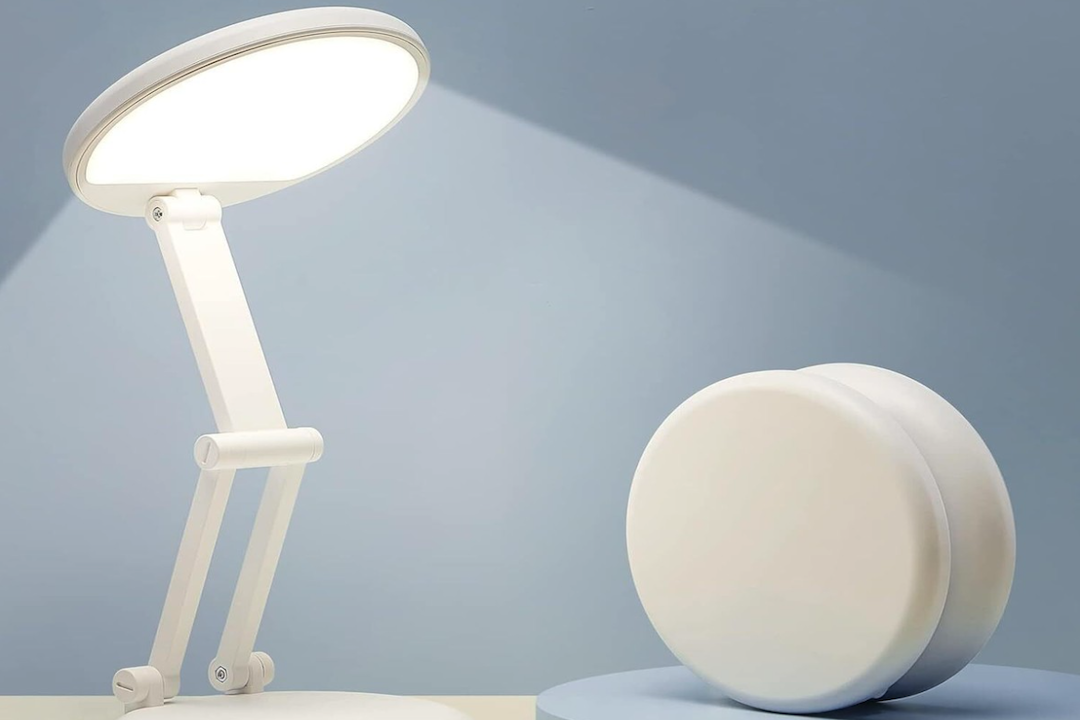
When you’re looking for a desk lamp for your child, the main goal is to protect their eyes, making sure they can do homework, read, or draw comfortably without straining. The best kid-friendly desk lamps aren’t just cute; they offer proper, adjustable lighting that reduces glare, minimizes flicker, and provides the right amount of illumination for various tasks. Think about features like brightness control, color temperature adjustments, and an arm that can be positioned easily.
Kids’ eyes are still developing, and they’re often spending a lot of time focusing on close-up tasks like reading, writing, and screen time. Poor lighting can exacerbate eye strain, leading to discomfort, headaches, and even potentially contributing to myopia (nearsightedness) progression. Ensuring they have an appropriate desk lamp Ilonalighting is a simple yet effective way to support their visual health.
The Impact of Poor Lighting
Imagine trying to read in a dimly lit room or under a harsh, flickering bulb. You’d likely squint, move closer to the page, and probably develop a headache. Kids experience the same thing, but their developing eyes might be more sensitive. Insufficient light forces the eyes to work harder to discern details, while excessive glare can cause discomfort and make it difficult to focus. Over time, this constant strain can contribute to issues beyond just temporary fatigue.
Preventing Eye Strain and Fatigue
A good desk lamp provides adequate illumination without creating hot spots or shadows. This helps kids maintain a comfortable reading distance and posture, reducing the likelihood of slumping over their work. When eyes aren’t fighting to see, they’re less likely to feel tired, dry, or itchy. This means more focused learning and less complaining about discomfort.
Myopia and Lighting
While the link between lighting and myopia is complex and involves many factors, some research suggests that prolonged close-up work, especially in poor lighting conditions, could be a contributing factor. Ensuring a well-lit workspace helps to minimize eye strain during near tasks, which is a proactive step in supporting overall eye health. It’s not a magic bullet, but it’s part of a holistic approach to good vision care.
Key Features to Look for in a Kid-Friendly Desk Lamp
Beyond just looking good, certain features make a desk lamp truly beneficial for a child’s workspace. These aren’t just “nice-to-haves” but practical elements that contribute to eye comfort and usability.
Adjustable Brightness (Dimming Capabilities)
This is perhaps one of the most crucial features. Different tasks require different levels of light. Reading a book might need brighter illumination than drawing with crayons or working on a tablet. A lamp with multiple brightness settings allows your child to adjust the light to their specific needs throughout the day.
- Why it’s important: Prevents under-lighting (which causes strain) and over-lighting (which causes glare).
- Practical application: If they’re reading small print, they can crank up the brightness. If they’re just sketching, they might prefer a softer glow. This adaptability is key.
Color Temperature Options
Many modern LED lamps offer adjustable color temperature, often measured in Kelvins (K). This ranges from warm white (around 2700K-3000K, good for relaxing) to cool white/daylight (5000K-6500K, excellent for concentration).
- Warm White (2700K-3500K): Softer, more comforting light, good for evening reading or winding down. Less harsh on the eyes.
- Cool White/Daylight (4000K-6500K): Brighter, more energetic light that mimics natural daylight. Ideal for focused tasks like homework, intricate drawing, or studying. Helps maintain alertness.
- Why it’s important: Matching the light color to the task and time of day can significantly impact comfort and focus. A cooler light during the day can boost productivity, while a warmer light in the evening can be gentler.
Flicker-Free Technology
While incandescent bulbs have some flicker, LED lights can also demonstrate subtle flicker if poorly designed. This isn’t always visibly noticeable but can still cause eye strain, headaches, and fatigue.
- How to check: Some lamps explicitly state they are “flicker-free.” If you’re unsure, you can often test by waving your hand rapidly under the light; if you see multiple, distinct hand images, there’s likely some flicker. Using your phone camera on slow-motion mode pointed at the light can also reveal flicker that’s invisible to the naked eye.
- Why it’s important: Eliminates a common, often undetected source of eye strain, making tasks more comfortable over longer periods.
Glare Reduction and Diffused Light
Direct, harsh light can create glare on surfaces like paper, screens, or even the desk itself. This glare forces the eyes to work harder to see past it.
- How it works: Look for lamps with diffusers (a frosted or textured cover over the light source) that soften the light and spread it more evenly. Lamps with indirect lighting options (where the light bounces off a surface before reaching the workspace) are also good.
- Why it’s important: Reduces direct glare, making reading and focused work much more comfortable and less fatiguing.
Adjustable Arm and Head
A lamp that can be positioned exactly where the light is needed is incredibly practical. This includes an arm that can extend, retract, and swivel, and a lamp head that can tilt and rotate.
- Ergonomics: Allows the child to direct light precisely onto their work surface, avoiding shadows cast by their hand or body.
- Versatility: Useful for different tasks and setups. If they’re working on a large drawing, they might need the light spread wider. If it’s a small book, they’ll want it concentrated.
- Why it’s important: Maximizes light utility and minimizes uncomfortable postures or straining to see.
CRI (Color Rendering Index)
CRI measures how accurately a light source renders colors compared to natural daylight. A higher CRI (ideally 90+) means colors appear truer and more vibrant.
- Why it’s important: Especially beneficial for kids who are drawing, painting, or working on crafts where accurate color perception is important. Low CRI can make colors look dull or distorted. It also makes reading more pleasant as text appears clearer.
Safety First: Beyond the Light Quality
When it comes to anything for kids, safety is paramount. A desk lamp needs to be robust and designed with potential hazards in mind.
Stability and Base Weight
Kids can be clumsy, and a wobbly lamp is an accident waiting to happen. Look for a lamp with a wide, heavy base or a secure clamp.
- Why it’s important: Prevents tipping over, which could lead to injury, damage to the lamp, or even a fire hazard if it falls near flammable materials.
- Practical tip: If you opt for a clamp lamp, ensure the clamp is robust and the surface it’s clamping to is sturdy.
Non-Toxic Materials
Children often interact with their environment in ways adults don’t, including touching, and sometimes even mouthing objects.
- Why it’s important: Ensures the lamp’s materials are free from harmful chemicals if your child happens to touch or even chew on small parts (especially for younger children).
- Look for: Certifications or descriptions that indicate non-toxic, BPA-free plastics, or natural materials like wood.
Cord Management and Placement
Loose cords are a tripping hazard and can also be tempting to play with, potentially leading to the lamp being pulled down.
- Why it’s important: Reduces tripping risks and keeps the lamp securely in place.
- What to do: Use cord clips or ties to secure the lamp cord along the desk leg or wall. Ensure the cord isn’t dangling where it can be snagged or pulled.
Heat Emission
Some traditional bulbs (like incandescents) can get very hot. Even some older LEDs can generate a fair amount of heat.
- LED Advantage: Modern LED lamps are generally very energy-efficient and emit significantly less heat than traditional bulbs, but it’s still worth checking.
- Why it’s important: Prevents accidental burns if a child touches the lamp head.
- Consider: If an LED lamp you’re looking at has exposed metal parts that feel warm when operational, ensure your child understands not to touch them.
Placement and Usage Tips for Optimal Eye Health
Even the best lamp won’t do much good if it’s used incorrectly. A few simple rules can make a big difference.
Proper Positioning
The ideal placement of a desk lamp depends on whether your child is right-handed or left-handed to prevent shadows.
- Right-handed child: Lamp should be positioned to the left of their dominant hand.
- Left-handed child: Lamp should be positioned to the right of their dominant hand.
- General rule: The light source should be positioned such that it illuminates the task directly without casting shadows from their head, hand, or arm onto the work surface.
- Height: The lamp head should generally be just above eye level when the child is seated and working, pointing down onto the work area. This helps prevent direct glare into their eyes.
Ambient vs. Task Lighting
It’s a common misconception that a desk lamp should be the only light source in a room. This can actually create high contrast, which is tiring for the eyes.
- The balance: A desk lamp provides task lighting—focused light on the work area. This should be supplemented by ambient lighting—general room lighting from overhead fixtures or other lamps.
- Why it’s important: Soft background lighting reduces the stark contrast between the bright work area and the dark surroundings, making the viewing experience more comfortable and reducing eye strain.
Taking Breaks
Even with perfect lighting, continuous close-up work can be taxing on the eyes. Encourage regular breaks.
- The 20-20-20 rule: Every 20 minutes, look at something 20 feet away for 20 seconds. This helps relax the eye muscles.
- Why it’s important: Gives the eyes a chance to rest and refocus, preventing fatigue and dryness.
Cleaning and Maintenance
Dust buildup on the lamp or diffuser can reduce light output and quality.
- Regular dusting: Gently wipe down the lamp and diffuser periodically to ensure maximum light output and clarity.
- Why it’s important: Maintains the lamp’s effectiveness and ensures consistent light quality over time.
Beyond the Desk: Other Lighting Considerations
While a desk lamp is crucial for task-specific work, remember that it’s part of a larger lighting ecosystem in your child’s room.
Room’s Overall Lighting
Consider the general brightness of the room. Is there enough natural light during the day? Are overhead lights sufficient for general activities without creating shadows?
- Natural Light: Maximize natural light during the day by opening blinds and curtains. Position the desk near a window if possible, but avoid direct sunlight that can cause glare.
- Overhead Fixtures: Ensure ceiling lights provide even, diffused ambient light. Avoid single, harsh bulbs that create deep shadows.
Night Lights and Bedside Lamps
For younger children, a gentle night light can provide comfort. For older children who read in bed, a bedside lamp with adjustable brightness is ideal.
- Bedside Reading: A dedicated bedside lamp prevents straining to read under general room lighting. Look for one with adjustable brightness and warm color temperature options for evening use, which is less disruptive to sleep patterns than bright, cool light.
- Consistency: The principles (adjustable, flicker-free, glare-reduced) for a desk lamp largely apply to bedside lamps if they are used for reading.
Screen Time Management
Even with good lighting, prolonged screen time can still strain eyes.
- Blue Light Filters: Many devices now have built-in blue light filters or “night mode” settings. Encourage their use, especially in the evening. There are also screen protectors or glasses that can filter blue light.
- Breaks: Reiterate the 20-20-20 rule for screen use, just as you would for reading.
Making the Final Decision
Choosing a kid-friendly desk lamp doesn’t have to be overwhelming. By focusing on these key features and understanding the “why” behind them, you’ll be well-equipped to make an informed choice. It’s an investment in your child’s visual comfort and long-term eye health. Don’t just pick the cutest one; pick the one that will genuinely support their eyes while they learn and grow.