
So, you’re looking for that “Ultimate Waterproof Camping Atmosphere Light?” The short answer is, there isn’t one single, definitive “ultimate” light that ticks every single box for every camper. What makes a light “ultimate” really comes down to your specific needs and what kind of camping you’re doing. Think of it less as a single product and more as a category of lights that excel in durability, water resistance, and generating that cozy camp vibe. We’ll dive into what to look for and highlight some features that make a camping light truly stand out in the wet and wild.
Let’s face it, camping often means unpredictable weather. Rain showers, dew-covered tents, or even an accidental spill near the campfire can be a death knell for standard electronics. That’s where dedicated waterproof camping lights Ckensu come in. They’re built with a specific purpose in mind: to survive and thrive in damp conditions while also providing that essential ambiance.
The Hassle of Standard Lights
Have you ever brought a regular flashlight or even some LED string lights on a camping trip, only to have them die after a bit of moisture? It’s frustrating. You’re trying to set up camp in the dark, it starts to drizzle, and suddenly your light source is useless. It can turn a minor inconvenience into a real headache.
Durability Without Compromise
A good waterproof camping light isn’t just about being water-resistant; it’s about being tough overall. These lights are often designed with robust materials that can handle bumps, drops, and the general wear and tear of outdoor adventures. You don’t want something so delicate that you’re afraid to even move it.
Setting the Mood for Your Outdoorsy Getaway
Beyond just functionality, camping is about disconnecting and enjoying nature, and a good light plays a huge role in that. A harsh, sterile beam won’t create that inviting atmosphere. We’re talking about that warm, diffused glow that makes your tent feel like a cozy haven or illuminates your picnic table for a relaxed dinner under the stars. These specialized lights often prioritize this “atmosphere” aspect, offering gentler light options and sometimes even color-changing capabilities.
Key Features to Look for in a Waterproof Atmosphere Light
When you’re on the hunt for that perfect outdoor illuminator, several key features will help you narrow down the options and ensure you’re getting something that will actually perform. Don’t get caught up in marketing buzzwords; focus on what truly makes a difference in the elements.
Understanding IP Ratings: Your Waterproofness Guide
This is probably the most crucial technical detail. IP ratings (Ingress Protection) tell you how well an object is protected against solids (like dust) and liquids. For camping lights, you’ll want to pay close attention to the second digit, which indicates water resistance.
IPX4: Splash Proof
This is the minimum you should consider for general camping. An IPX4 rating means the light is protected against water splashes from any direction. So, it can handle light rain or accidental splashes from a water bottle.
IPX6: Powerful Water Jets
If you’re often camping in regions prone to heavier rain or you want extra peace of mind, look for IPX6. This means the light can withstand powerful water jets. Think of it as being able to handle a hosepipe directed at it for a short period.
IPX7: Submersion (Temporary)
This is a significant step up. An IPX7 rating means the light can be submerged in water up to 1 meter deep for up to 30 minutes. This is excellent if you’re worried about it falling into a stream or lake, or if you’re in an environment where it might get soaked.
IPX8: Continuous Submersion
This is the highest level of water protection, meaning the light can be submerged indefinitely under conditions specified by the manufacturer. While not always necessary for typical camping, it offers the absolute best protection against water.
Light Modes and Brightness: Versatility is Key
The “atmosphere” part of the light is all about how it illuminates your surroundings. Some lights are just a simple on/off, but the best ones offer a range of settings to suit different needs.
Adjustable Brightness (Dimming)
The ability to dim the light is a game-changer for atmosphere. A super bright light might be great for setting up camp, but for reading a book or just relaxing, you want something softer. Look for lights with multiple brightness levels.
Warm White Light Options
Warm white light (typically around 2700K-3000K) mimics the soft glow of a campfire or candle and is much more conducive to relaxation and a cozy ambiance than cool, blue-toned light. Many dedicated camping lights offer this as a primary mode.
Color-Changing Features (RGB)
While not strictly for “atmosphere” in the traditional sense, some people love the ability to change the light color for fun or to create different moods. Blue, green, or even a pulsing red can add a unique touch, though for pure cozy camping, warm white is usually the winner. Just make sure these additional features don’t compromise the fundamental waterproofness or light quality.
Power Source and Battery Life: Keeping the Light On
You’re out in the wilderness, so power is a consideration. You don’t want your light to die just as you’re settling down for the night.
Rechargeable vs. Disposable Batteries
Rechargeable lithium-ion batteries are increasingly common and offer the convenience of recharging at home before your trip or using a portable power bank. However, if you’re on a multi-day trip with no access to charging, reliable disposable batteries (like AA or D cells) can be easier to replace in a pinch.
Battery Life Expectations
Manufacturers usually provide battery life estimates at different brightness levels. A good waterproof camping light should offer at least 10-20 hours of illumination on a medium setting to get you through a couple of evenings. Some high-end models can last much longer.
Power Bank Capability
Some lights double as power banks, allowing you to charge your phone or other small devices. This can be incredibly useful for extending the battery life of your essential electronics on longer trips.
Build Quality and Materials: Tough Enough for the Outdoors
The physical construction of the light is as important as its electrical features when it comes to surviving the elements and the rigors of camping.
Impact Resistance
Camping involves potential knocks and drops. Lights made from durable plastics like ABS or polycarbonate are generally more impact-resistant than flimsy alternatives. Some even have rubberized bumpers for extra protection.
Lens Material
A scratch-resistant lens will keep your light performing well over time. Polycarbonate is a common choice for its durability.
Hanging Mechanisms
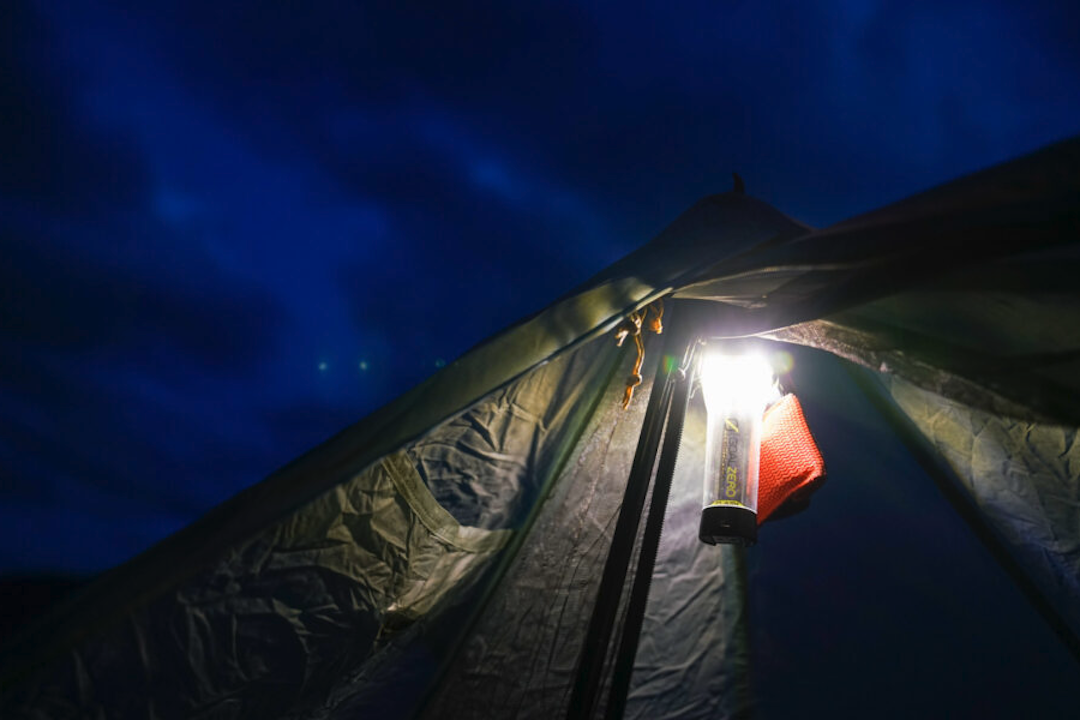
Many camping lights have integrated hooks, carabiner clips, or magnetic bases that allow you to hang them from tent ceilings, branches, or attach them to metal surfaces. This is crucial for hands-free lighting and creating that diffused atmosphere.
Types of Waterproof Camping Atmosphere Lights
When you start browsing, you’ll see a few distinct styles of lights that fit the “waterproof atmosphere” bill. Each has its pros and cons for different camping scenarios.
Lantern-Style Lights: The Classic Camp Companion
These are probably what most people picture when they think of a camping light. They are designed to provide diffused, omnidirectional light, perfect for illuminating a campsite or tent interior.
Features to Look For in Lanterns
- Diffused Dome: A frosted or milky dome helps spread the light evenly, reducing glare and creating a softer glow.
- Multiple Brightness Settings: As mentioned, dimming is essential for atmosphere.
- Durable Construction: Look for rubberized grips and robust casings.
- Hanging Loops/Hooks: For easy placement.
- Waterproofing: Aim for at least IPX4, ideally IPX6 or higher if prone to heavy rain.
Best Uses for Lanterns
Lanterns are excellent for general campsite illumination, inside tents, and for creating a central gathering point around a picnic table. They’re great for car camping where weight isn’t a primary concern.
LED Strip Lights: Flexible Ambiance
LED strips offer a different kind of lighting flexibility. They can be draped around tents, awnings, or even trees to create a continuous line of light and ambiance.
Considerations for LED Strips
- Waterproof Sleeving: The LEDs themselves need to be encased in a waterproof material, often silicone or a similar flexible plastic.
- Power Source: Many are USB-powered, making them easy to connect to power banks.
- Adhesive Backing or Clips: For easy mounting.
- Length and Brightness: Choose a length that suits your needs and a brightness that creates ambiance, not a spotlight.
Ideal Scenarios for LED Strips
These are fantastic for adding decorative lighting to the outside of your tent or awning, creating a welcoming glow as you arrive at your campsite, or providing soft, indirect light inside a larger tent. They’re particularly good for adding a touch of flair to glamping setups.
Portable String Lights: Whimsical Charm
Similar to LED strips, but often with individual bulbs (sometimes Edison-style for a vintage look), these string lights add a whimsical touch.
What Makes Them “Atmosphere” Lights
The charm of individual bulbs and often a warmer light temperature contribute significantly to a relaxed, cozy atmosphere.
Waterproofing is Crucial Here
Especially if the bulbs are exposed or the wire connectors aren’t well-sealed, waterproofing is paramount for string lights. Look for lights specifically marketed as outdoor or camping string lights.
Where to Use Them
These are perfect for stringing around a campsite, over a picnic area, or even in a tree for a magical feel. They’re a step up from basic utility lighting, focusing more on the visual experience.
Headlamps and Lanterns with Atmosphere Modes: Dual-Purpose Powerhouses
Some high-quality headlamps and even some more versatile lanterns now incorporate specific “atmosphere” or “red light” modes.
The Appeal of Multi-Functionality
If you’re trying to pack light, a product that can serve multiple purposes is ideal. A good headlamp is essential for hiking and tasks, but if it also has a warm, dimming option, it can pull double duty.
Red Light Features
Many outdoor lights have a red light mode. This is useful for preserving night vision, but a warm, dim red light can also create a very subdued and cozy atmosphere.
Limitations
While versatile, a headlamp’s primary beam is often too focused to create broad ambiance. However, a separate, dedicated atmosphere light is often worthwhile for the best experience.
Practical Tips for Using Your Waterproof Light
Just having a waterproof light won’t guarantee the perfect setup. Here are some practical tips to get the most out of it.
Strategic Placement for Optimal Ambiance
Don’t just plop your light anywhere. Think about how the light will interact with your surroundings.
Diffuse the Light
Avoid placing lights where they cast harsh shadows or shine directly into people’s eyes. Position lanterns in the center of your seating area or hang them high in the tent to cast a more even glow.
Illuminate Key Areas
Focus your light on where you’ll be spending most of your time: the picnic table, the entrance to your tent, a reading nook.
Consider Reflected Light
Light bouncing off surfaces like tent walls or even a light-colored tarp can soften the glow and create a more expansive, inviting atmosphere.
Maintenance for Longevity
Even the best waterproof gear needs a little care to keep it performing well.
Drying After Use
While waterproof, it’s always a good idea to wipe down your light with a dry cloth and let it air dry completely before storing it, especially if it’s been exposed to saltwater or chemicals.
Battery Care
If you use rechargeable batteries, make sure to charge them fully before each trip. For disposable batteries, remove them if you plan to store the light for an extended period to prevent corrosion. Keep spare batteries in a waterproof container.
Inspecting Seals
Periodically check any rubber seals or gaskets on your light for signs of wear or damage. If they look cracked or brittle, it might compromise the waterproofing.
Battery Management on Extended Trips
When you’re out for multiple nights, managing your battery power is key to continuous ambiance.
Carry Extra Batteries or a Power Bank
This is the most straightforward solution. Pack enough spare batteries or a sufficiently sized power bank to last your trip.
Utilize Lower Brightness Settings
As mentioned, the lowest brightness setting will offer the longest battery life. Use it for winding down and save brighter settings for tasks.
Turn Lights Off When Not in Use
It might seem obvious, but it’s easy to forget to turn lights off when you leave your tent or step away from the campfire for a walk. Make it a habit.
Safety First
While these lights are designed for outdoor use, responsible usage is always important.
Avoid Direct Contact with Flames
Never place electric lights directly next to an open flame. They are for illumination, not as a heat source.
Be Mindful of Trip Hazards
Drape or secure cords and lights to prevent tripping, especially in the dark.
Don’t Stare Directly into Bright Lights
Even with diffused lights, prolonged direct exposure can be uncomfortable.
“Ultimate” is Subjective: Finding What Works for You
As we’ve established, there’s no single “ultimate” waterproof camping atmosphere light. The best one for you will depend entirely on your camping style, budget, and priorities.
Consider Your Camping Style
- Car Camper: You likely have more space and weight capacity, so a robust, larger lantern or a set of decorative string lights might be ideal.
- Backpacker/Thru-Hiker: Weight and packability are paramount. A small, very durable, multi-function light or a compact, lightweight lantern might be your best bet.
- Family Camper: You’ll need something bright enough for multiple people, often with easy operation for kids, and durable enough to withstand enthusiastic handling.
- Solo Camper: You might prioritize a simpler, more focused light or something that’s very compact and easy to manage.
Budget Considerations
Waterproof and durable doesn’t always mean expensive, but higher-end models often incorporate more advanced features, better build quality, and longer battery life. Set a budget and look for the best balance of features within that range.
The Trade-Offs
You’ll often find trade-offs. A super bright light might drain batteries faster. A light with every conceivable feature might be heavier. The key is to prioritize what’s most important for your camping experiences and find a light that excels in those areas. For “atmosphere,” look for warm light, dimming capabilities, and a diffused output. For “waterproof,” understand IP ratings. For “camping,” consider durability and power. By combining these elements, you’ll find the perfect companion to light up your outdoor adventures.