
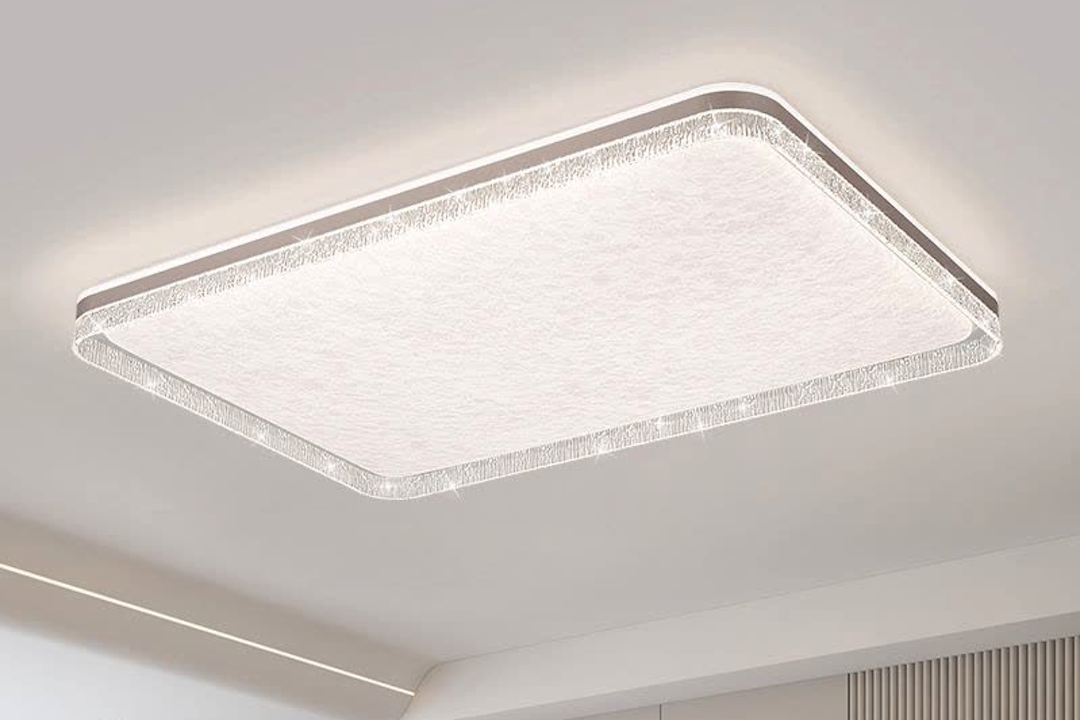
Ever wondered if your lighting is helping or hindering your study sessions? The simple answer is, it can significantly impact your focus, comfort, and even your long-term eye health. Switching to a full-spectrum, eye-protection ceiling light can be a practical step toward creating a more conducive study environment. These lights are designed to mimic natural daylight, reducing strain and improving visual clarity, which in turn can lead to more productive and comfortable studying.
Why Your Current Lighting Might Be Holding You Back
Standard overhead lights Ckensu, particularly older fluorescent tubes or incandescent bulbs, often present a range of issues for prolonged periods of focused work. They are typically not designed with eye health or visual task performance as a primary consideration.
Common Lighting Problems in Study Areas
- Flicker: Many older fluorescent lights, especially those with magnetic ballasts, produce an imperceptible flicker. While not always consciously noticed, this flicker can contribute to eye strain, headaches, and general fatigue over time. Your brain is constantly working to compensate for these tiny light fluctuations, even if you’re not aware of it.
- Poor Color Rendering Index (CRI): CRI measures how accurately a light source reveals the true colors of objects compared to natural daylight. A low CRI light can make colors appear dull or distorted. For studying, this means textbooks, diagrams, or even color-coded notes might not look as vibrant or clear as they should, requiring your eyes to work harder to distinguish details. A CRI of 80 is considered acceptable for general lighting, but for tasks like studying, aiming for 90 or above is beneficial.
- Inadequate Brightness or Glare: Too dim a light forces pupils to dilate, making it harder to focus. Conversely, too bright a light or direct glare can cause discomfort and make your eyes squint. It’s about finding the right balance and ensuring light is distributed evenly without harsh hot spots. Overhead lights, if not properly diffused, can create shadows and reflections that interfere with reading or working on screens.
- Unnatural Color Temperature: Most conventional lights tend to be either too warm (yellowish) or too cool (bluish-white). While warm light is comforting for relaxing, a spectrum that closely matches natural daylight (around 5000K-6500K) is generally better for alertness and visual clarity during study. Too warm a light can make you feel sleepy, while overly cool light, particularly with a high blue light component, can disrupt your circadian rhythm, especially if used late into the evening.
Changing your lighting can address these issues directly, promoting better visual comfort and potentially enhancing your ability to concentrate for longer periods without discomfort.
Understanding Full-Spectrum, Eye-Protection Lighting
When we talk about “full-spectrum, eye-protection” lights, we’re referring to a category of lighting designed with human well-being and visual performance in mind. These aren’t just fancy marketing terms; they represent a purposeful approach to lighting design.
What “Full Spectrum” Means in Practice
- Mimicking Natural Daylight: True full-spectrum lighting aims to replicate the continuous spectrum of colors found in natural sunlight. Unlike traditional artificial lights that often have spikes in certain colors (especially blue) and gaps in others, full-spectrum lights offer a more balanced distribution across the visible light spectrum. This means they include red, orange, yellow, green, blue, indigo, and violet in appropriate proportions.
- Enhanced Color Perception: With a high CRI (typically 90+), full-spectrum lights make colors appear vibrant and accurate. This is crucial for distinguishing between different shades in diagrams, artworks, or color-coded notes, reducing the effort your eyes need to expend. Text appears sharper, and details are clearer.
- Reduced Eye Strain: By providing a more complete and natural light experience, these lights reduce the visual stress that can come from poorly balanced or incomplete light spectrums. Your eyes don’t have to work as hard to interpret colors or contrast, leading to less fatigue during extended study sessions.
The “Eye-Protection” Aspect Explained
- Low Flicker Technology: A key feature of eye-protection lights is their advanced driver technology. They use high-frequency electronic ballasts (for fluorescent types) or flicker-free LED drivers to virtually eliminate the imperceptible flicker common in older lighting. This consistent output significantly reduces eye strain and discomfort.
- Optimized Brightness and Uniformity: These fixtures are designed to deliver even illumination across your study surface. This means avoiding harsh shadows or bright spots that can cause glare. The brightness levels are also typically adjustable, giving you control over the intensity to suit different tasks and times of day.
- Controlled Blue Light Content: While natural daylight includes blue light (which helps us stay alert), excessive blue light from artificial sources, particularly in the evening, can disrupt melatonin production and sleep cycles. Eye-protection lights often balance the blue light component to be conducive for alertness during the day without being overly aggressive, and some even offer tunable white features that allow you to shift to warmer (lower blue light) temperatures in the evening. This balance is critical for maintaining healthy sleep patterns while still benefiting from good task lighting.
- Glare Reduction: Many full-spectrum eye-protection ceiling lights come with diffusers or optical designs that spread light evenly and reduce direct glare, making them much more comfortable for prolonged use compared to bare bulbs or poorly shielded fixtures.
Together, these characteristics work to create a lighting environment that is not just bright enough, but also visually comfortable and supportive of sustained cognitive activity, which is exactly what a study space requires.
Practical Benefits for Your Study Routine
Beyond simply making your space brighter, a well-chosen full-spectrum eye-protection ceiling light can offer practical advantages that directly impact your study efficiency and well-being.
Improved Focus and Concentration
- Reduced Visual Fatigue: By minimizing flicker and providing a broad, balanced spectrum of light, these fixtures reduce the work your eyes have to do. When your eyes are less tired, your brain can allocate more resources to processing information rather than compensating for poor light. This can translate to longer periods of focused work without that uncomfortable “headachey” feeling.
- Enhanced Alertness: The daylight-like color temperature (typically 5000K-6500K) of many full-spectrum lights can help synchronize your natural wake-sleep cycle, promoting alertness during study hours. Our bodies are naturally attuned to daylight, and mimicking it indoors can signal to your brain that it’s time to be awake and productive.
- Clearer Visuals: With a high CRI, colors in textbooks, diagrams, and digital screens appear more vivid and true-to-life. This clarity means less squinting and less effort expended trying to differentiate fine details or subtle color variations, freeing up mental energy for deeper understanding.
Better Eye Health Over Time
- Minimizing Strain: Consistent exposure to flickering, dim, or glaring light can contribute to cumulative eye strain. By providing stable, uniform, and appropriately bright illumination, full-spectrum eye-protection lights help mitigate these long-term stressors on your visual system.
- Support for Healthy Circadian Rhythms: While not a direct “eye health” benefit in terms of optics, controlling the spectrum of light, especially the blue light component, and ensuring appropriate color temperatures throughout the day and evening helps maintain your natural sleep-wake cycle. A well-regulated circadian rhythm is fundamental to overall health, including ocular health, as it impacts recovery and repair processes.
- Reduced Risk of Dry Eyes and Headaches: Many individuals experience dry eyes or headaches when working under poor lighting conditions. Often, this is due to strain from focusing too hard or constantly trying to adapt to inadequate light. By reducing visual stress, these lights can help alleviate these common complaints. Your eyes don’t have to work overtime to compensate.
Investing in better lighting isn’t just about immediate comfort; it’s a preventative measure that can contribute to sustained visual health and overall well-being during years of academic or professional work.
Key Features to Look for in a Ceiling Light
Choosing the right light can seem overwhelming with the array of options available. Focusing on a few key specifications will help narrow down your search and ensure you get a fixture that genuinely enhances your study space.
Color Rendering Index (CRI)
- Aim for CRI 90+: This is a crucial number. As previously discussed, a high CRI indicates that the light source accurately reveals the true colors of objects. For study, where distinguishing between nuances of text, artwork, or scientific diagrams is common, a CRI of 90 or above is ideal. This ensures that a red pen looks genuinely red, not a dull brick color, and that your textbook’s illustrations pop with clarity.
- Impact on Visual Comfort: Beyond just color accuracy, a high CRI contributes to overall visual comfort. It makes your environment feel more natural and less “washed out,” which can significantly reduce eye strain during long study periods.
Color Temperature (CCT)
- Daylight Range (5000K-6500K): This range simulates natural daylight and is generally considered optimal for tasks requiring focus and alertness. It provides a crisp, clear light that promotes concentration. For a study area, having light in this temperature range during your active study hours is highly beneficial.
- Tunable White Options: Many modern LED fixtures offer “tunable white” capabilities. This allows you to adjust the color temperature to suit different times of the day or tasks. For example, you might prefer a cooler, more invigorating light (5000K-6500K) during intense daytime study, and then shift to a warmer, more relaxing light (2700K-3500K) in the evening to prepare for sleep while still having enough light for lighter tasks. This flexibility can be a significant advantage for maintaining healthy circadian rhythms.
Flicker-Free Performance
- Look for “Flicker-Free Driver” or “Low Flicker”: This is a non-negotiable feature for eye-protection lighting. While all lights flicker to some extent, high-quality eye-protection lights use advanced electronic drivers to minimize this flicker to an undetectable level (typically less than 1% flicker percentage). This eliminates a subtle but significant source of eye strain, headaches, and fatigue.
- Why It Matters: Even if you can’t consciously perceive the flicker, your eyes and brain are still working to compensate for it. Eliminating it creates a more stable visual environment, directly contributing to greater comfort and reducing the likelihood of visual strain over time.
Light Distribution (Uniformity and Glare Control)
- Even Illumination: A good ceiling light should distribute light uniformly across your study area without creating harsh shadows or overly bright spots. Look for fixtures with wide beam angles and effective diffusers.
- Anti-Glare Design: Glare, whether direct from the light source or reflected off surfaces, is a major cause of eye discomfort. Fixtures with frosted diffusers, recessed lighting designs, or indirect lighting components can help minimize glare, making the light much more pleasant and conducive to focused work. The goal is to illuminate your space without creating additional visual obstacles.
Considering these features will guide you towards a ceiling light that does more than just cast light – it actively supports your visual health and concentration.
Installation and Placement Considerations
Even the best light fixture won’t perform optimally if it’s not installed correctly or placed thoughtfully within your study environment. A little planning here goes a long way.
Optimal Placement for Coverage
- Central Overhead: For primary ambient lighting in a study room, a central overhead fixture often provides the most uniform illumination. This distributes light broadly across the room, minimizing dark corners.
- Consider the Room Size: For larger rooms, a single central fixture might not be enough. You might need to consider multiple fixtures strategically placed, or supplement with other task lighting. For a compact study nook, a single well-chosen fixture is usually sufficient.
- Above the Primary Workspace: While general ambient light is important, it’s also crucial that your primary study desk or workspace receives ample, direct (but diffused) light. Ensure the ceiling light is positioned to illuminate your desk surface effectively without casting your own shadow over your work. For instances where direct overhead isn’t feasible, often a well-positioned desk lamp with similar eye-protection qualities will be a necessary supplement.
Minimizing Shadows and Glare
- Avoid Direct Glare: Ensure the light source itself isn’t directly in your line of sight when you’re seated at your desk. If it is, look for fixtures with good diffusers or recessed designs.
- Reflected Glare: Pay attention to potential glare off screens, glossy textbooks, or polished desk surfaces. Position your light (and your desk) to minimize these reflections. Sometimes, adjusting the angle of a screen or tilting a desk lamp can make a significant difference.
- Shadow Management: Overhead lights alone can sometimes cast shadows, particularly if you’re leaning over your work. This is where supplementary task lighting, such as a good desk lamp positioned correctly, becomes important. The goal is to layer your lighting to eliminate shadows that interfere with your actual work. For instance, if you’re right-handed, a desk lamp on your left side can help prevent hand shadows.
Integration with Other Lighting
- Layering Light: The best study environments often use a layered approach to lighting. Your full-spectrum ceiling light provides the crucial ambient and general eye-protection light.
- Task Lighting: Supplement this with specific task lighting, like a desk lamp, especially if your ceiling light doesn’t perfectly illuminate your immediate workspace. Ensure your task lamp also has good CRI, appropriate color temperature (or tunability), and is flicker-free.
- Accent Lighting: While not critical for study, accent lighting (like a small wall sconce or bookshelf light) can add depth and ambiance to the room, preventing it from feeling too sterile. However, ensure it doesn’t create distracting glare or shadows.
- Dimmer Compatibility: A good full-spectrum light that is also compatible with a dimmer switch offers immense flexibility. This allows you to adjust the brightness based on the time of day, your activity, and natural light levels, further enhancing comfort and energy efficiency. Always check if the fixture is “dimmable” and compatible with the type of dimmer switch you intend to use (e.g., LED or electronic low voltage).
By thoughtfully considering these installation and placement factors, you can maximize the benefits of your new ceiling light and create a truly optimized study environment. It’s not just about the fixture, but how it integrates into your overall workspace.