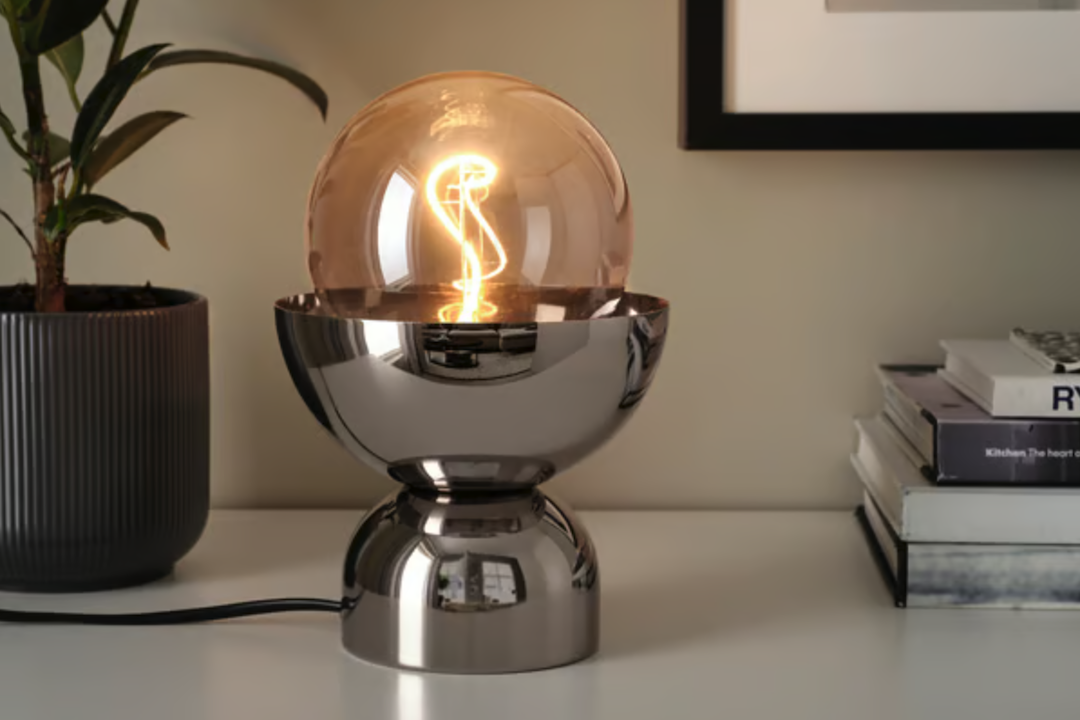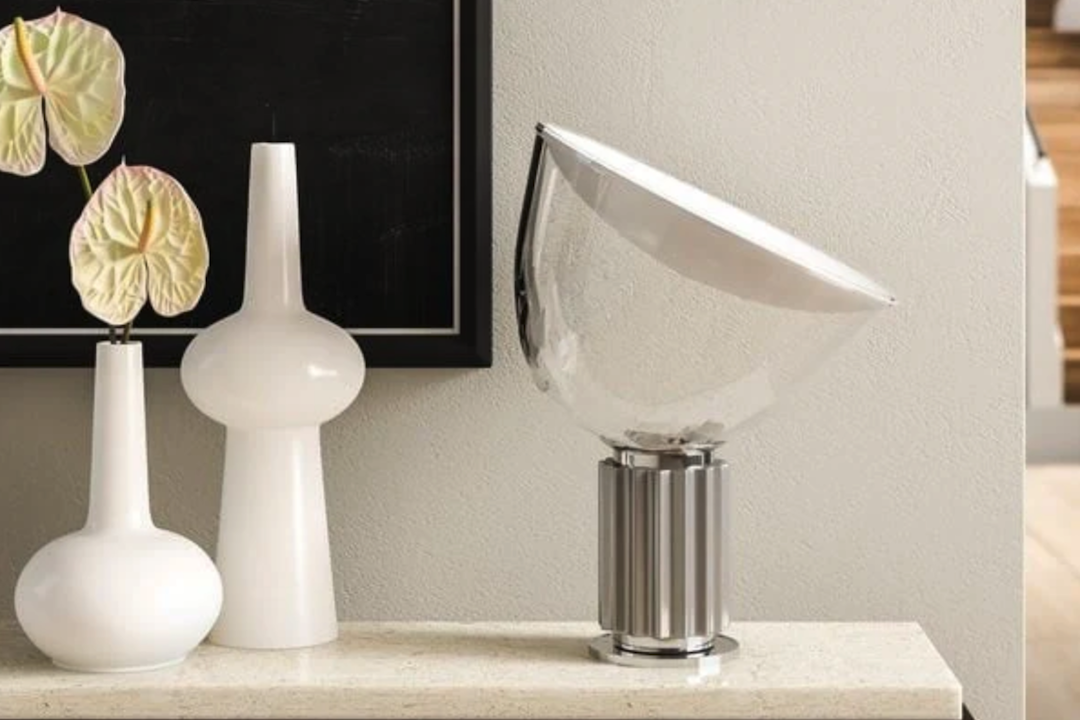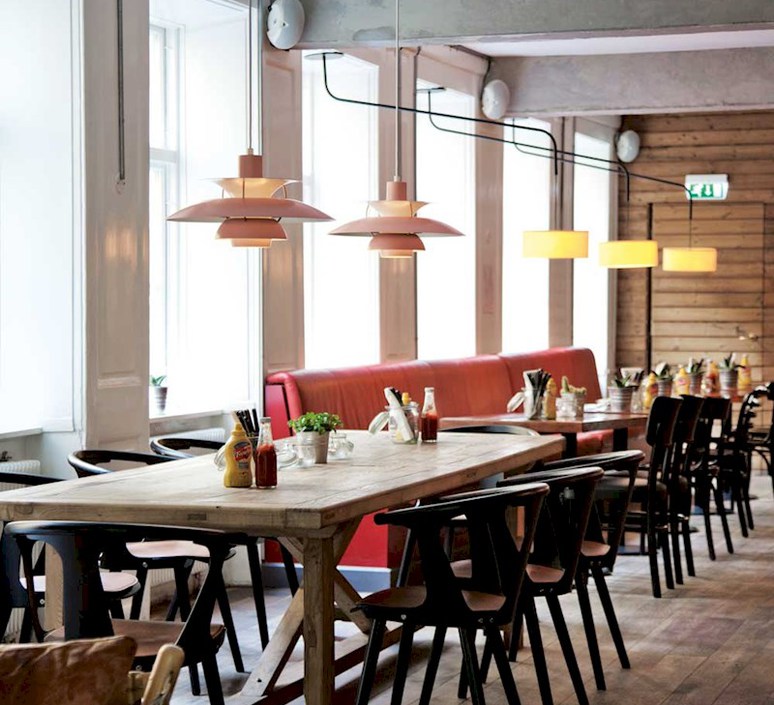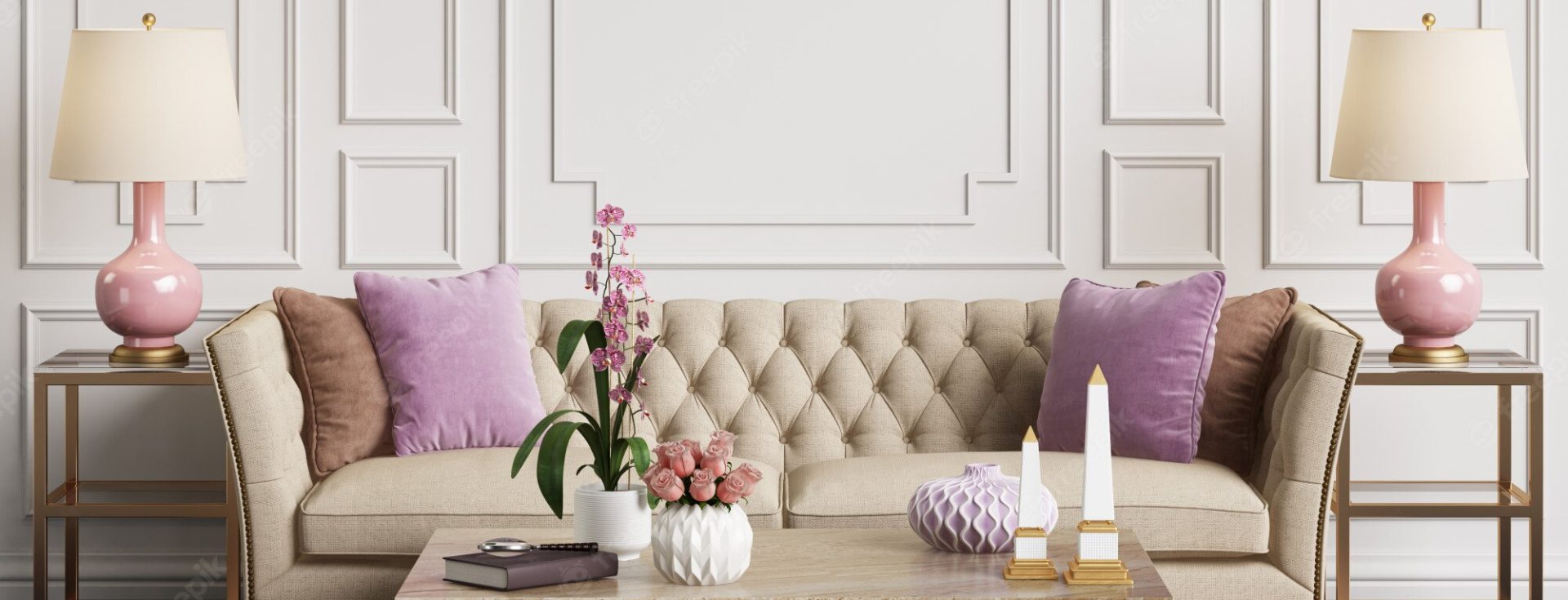

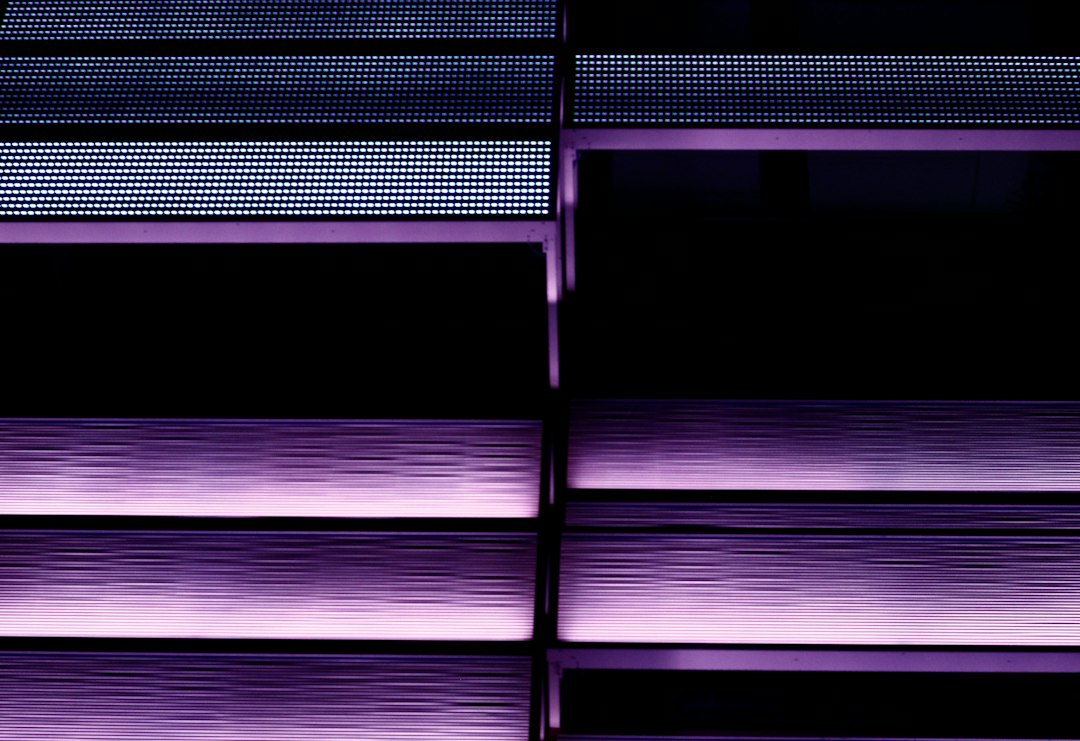
Transforming your kitchen or any room with color-changing cabinet lighting and a ribbed glass finish is absolutely a worthwhile upgrade. It’s not just about aesthetics; it’s about functionality, mood, and adding a touch of modern sophistication that genuinely elevates a space. Think about being able to shift your kitchen’s ambiance from bright and task-oriented to warm and inviting with the touch of a button, all while enjoying the subtle elegance of textured glass. It’s a fantastic way to personalize your home and make it work better for you, day in and day out.
Why Color-Changing Cabinet Lighting is a Game-Changer
When we talk about lighting, especially in a kitchen or a display area, it’s often an afterthought. But the truth is, good lighting can completely revolutionize how a space feels and functions. Color-changing cabinet lighting takes this to a whole new level, offering flexibility and personality that traditional lighting just can’t match.
Setting the Mood with Dynamic Lighting
Imagine this: it’s early morning, and you’re making coffee. You want a bright, clear light to help you focus. With color-changing lights, you can set them to a cool, crisp white. Later in the evening, you’re hosting friends, and you want a more relaxed, intimate vibe. A quick adjustment, and your cabinet lights glow with a warm, amber hue. This adaptability is incredible. It allows you to tailor the atmosphere of your space to whatever activity you’re doing or whatever mood you’re in. No more being stuck with one type of lighting; you have a whole spectrum at your fingertips.
Practical Benefits Beyond Aesthetics
While the mood-setting aspect is fantastic, color-changing lights also offer practical advantages. For example, in a workspace like a kitchen, different light temperatures can affect how you perceive colors – important when you’re preparing food. A cooler light might be better for detailed tasks, while warmer light can make food look more appealing when serving. Beyond that, many color-changing systems come with dimming capabilities, allowing you to control the intensity of the light, which is crucial for energy saving and reducing eye strain. Some systems even offer scheduling features, meaning your lights can automatically adjust throughout the day without you needing to lift a finger.
Energy Efficiency and Longevity
Most modern color-changing cabinet lighting utilizes LED technology. This is a huge win for both your wallet and the environment. LEDs are incredibly energy-efficient, using significantly less power than traditional incandescent or even fluorescent bulbs. This translates to lower electricity bills over time. Furthermore, LEDs have a remarkably long lifespan, often lasting tens of thousands of hours. This means you won’t be constantly replacing bulbs, which is not only convenient but also reduces waste. The initial investment might be slightly higher than basic lighting, but the long-term savings and benefits typically outweigh this.
The Undeniable Appeal of Ribbed Glass Finishes
While lighting sets the stage, the cabinet finish provides the texture and visual interest. Ribbed glass, also known as fluted or reeded glass, has seen a massive resurgence in interior design, and for good reason. It offers a unique blend of privacy, elegance, and tactile appeal that can transform ordinary cabinets into statement pieces.
A Touch of Vintage Charm, Modern Application
Ribbed glass has a distinct, classic feel that harkens back to mid-century modern design and even older eras. However, when paired with contemporary cabinet designs and modern lighting, it creates a fascinating juxtaposition that feels fresh and sophisticated. It’s not about being old-fashioned; it’s about embracing a timeless texture that adds depth and character. The vertical lines of the fluting draw the eye upwards, which can subtly make a space feel taller and more expansive.
Diffused Light and Gentle Obscurity
One of the most practical and aesthetically pleasing aspects of ribbed glass is its ability to diffuse light beautifully. When your color-changing cabinet lights are behind ribbed glass, the light isn’t harsh or direct; instead, it’s softly scattered, creating a warm, inviting glow that’s incredibly pleasing to the eye. This diffusion also offers a degree of obscurity. While you can still vaguely discern items behind the glass, they are not sharply in focus. This is perfect for cabinets where you might want to display a few nice items but also stash away some everyday clutter without it being fully exposed. It offers a clever balance between open shelving and completely opaque doors.
Adding Texture and Visual Interest
In many kitchens or living spaces, flat, smooth surfaces dominate. Cabinets, countertops, and walls can often feel quite uniform. Introducing ribbed glass breaks up this monotony by adding a rich, tactile texture. The play of light and shadow across the ridges creates a dynamic surface that changes subtly throughout the day. This visual interest adds a layer of sophistication and bespoke quality to your cabinetry, making it feel more custom and thoughtfully designed. It’s a simple change that makes a significant impact on the overall aesthetic.
Integrating Color-Changing Lighting with Ribbed Glass
Combining these two elements isn’t just about putting them next to each other; it’s about making them work in harmony to create a cohesive and impactful design statement. The magic truly happens when the light interacts with the textured glass.
Strategic Placement for Optimal Effect
For cabinet lighting, the placement is key. For upper cabinets, under-cabinet lighting is often chosen for task lighting on countertops. However, for illuminating the inside of cabinets with ribbed glass, you’ll typically want strip lights or puck lights mounted at the top or sides of the interior. This allows the light to wash down or across the glass, highlighting its texture and creating that beautiful diffused glow. For open shelving with ribbed glass backs, strip lights hidden behind the front edge of the shelves work wonderfully to cast light through the glass. Consider how the light will hit the glass at different angles to maximize the fluted effect.
Choosing the Right Light Temperature for Ribbed Glass
While the beauty of color-changing lights is their versatility, certain light temperatures tend to complement ribbed glass exceptionally well. Warmer whites (around 2700K-3000K) often enhance the vintage charm of the glass, creating a cozy and inviting ambiance. Cooler whites (4000K-5000K) can give a more modern, crisp look, which can be striking with certain cabinet styles. The RGB options allow for a playful mood, but for a sophisticated look, experimenting with different shades of white and amber will likely yield the best results. The diffusion from the ribbed glass means even brighter colors will appear softer and more muted, which can be a desirable effect.
Dimming and Scene Setting with Smart Controls
To truly leverage color-changing cabinet lighting with ribbed glass, smart controls are almost essential. Imagine having a “dinner party” scene that dims your overhead lights, turns your cabinet lights to a warm amber, and perhaps even coordinates with other smart devices in your home. Or a “morning boost” scene that brightens your kitchen with a cool white. Many systems integrate with smart home hubs (like Google Home, Amazon Alexa, Apple HomeKit) allowing for voice control, app control, and complex scheduling. This level of control allows for seamless transitions and truly customizes your environment, making the lighting a dynamic part of your home’s functionality rather than a static feature.
Practical Considerations Before You Begin
Before you get too excited and start tearing out cabinets (or ordering new ones), it’s worth thinking through some practical details. A little planning goes a long way in ensuring a smooth installation and a satisfactory outcome.
Power Requirements and Wiring
Color-changing LED strips or puck lights typically require a low-voltage power supply. This means you’ll need a transformer or power adapter that converts your household’s standard AC voltage to the DC voltage required by the LEDs. For new cabinet installations, planning for hidden wiring is relatively straightforward. For existing cabinets, you’ll need to consider how to conceal the wires and the power supply. Options include drilling small holes through cabinet frames, routing wires along edges, or using wireless battery-operated lights for less intensive applications (though these usually require more frequent battery changes). Always prioritize safety and consult with an electrician if you’re unsure about any electrical work.
Installation Methods for Lighting and Glass
Installing the lighting itself generally involves adhesive backing on LED strips or small screws for puck lights. The main challenge is ensuring an even distribution of light and hiding the fixtures themselves so only the glowing effect is visible. For ribbed glass, if you’re replacing existing cabinet door inserts, it’s often a job for a professional glass cutter or a cabinet maker. They’ll ensure the glass is cut precisely to fit your door frames and safely secured. If you’re building new cabinets, specifying ribbed glass from the outset makes the process much simpler. Always handle glass with care, wearing appropriate gloves to protect your hands.
Cost Implications and Budgeting
The cost can vary significantly depending on the scope of your project. Here’s a rough breakdown of factors influencing cost:
- Ribbed Glass: This is generally more expensive per square foot than standard clear glass due to the manufacturing process. The cost will depend on the thickness, clarity, and specific fluting pattern.
- Color-Changing LED Lighting: Prices range from basic, remote-controlled kits to sophisticated smart systems with individual addressable LEDs. Consider the length of strips needed, the quality of the LEDs, and the features of the control system.
- Installation: DIY installation for lighting can save money, but if you’re not comfortable with electrical work or precision cutting, professional installation for both lighting and glass will add to the budget.
- Cabinet Modifications: If you’re retrofitting existing solid cabinet doors to accommodate glass, there will be additional costs for cutting out panels and reinforcing frames.
It’s wise to get quotes from multiple suppliers and installers to get a clear picture of the total investment. Remember, this is an upgrade that adds significant value and aesthetic appeal to your home, so view it as an investment rather than just an expense.
Inspiration and Creative Applications
Now that we’ve covered the ‘why’ and the ‘how,’ let’s talk about the ‘where’ and the ‘what if.’ The beauty of color-changing cabinet lighting and ribbed glass is their versatility, allowing for a wide range of creative applications beyond just kitchen upper cabinets.
Beyond the Kitchen: Other Rooms and Furniture
While kitchens are a prime candidate, don’t limit your imagination. Consider these possibilities:
- Living Room Display Cabinets: Imagine showcasing your favorite decorative objects or books behind ribbed glass, subtly illuminated by warm, inviting light in the evening, or a vibrant accent color for a party.
- Bathroom Vanities: Ribbed glass on vanity cabinets can add a touch of spa-like luxury, diffusing light beautifully and providing a gentle privacy screen for toiletries. Color-changing lights can even be used for a calming blue light for unwinding or a bright white for morning routines.
- Home Bar Cabinets: Elevate your home bar with ribbed glass doors that diffuse the glow of color-changing lights, creating an inviting and sophisticated ambiance for entertaining. You could even set the lights to match the mood of a specific cocktail you’re serving.
- Wardrobe or Closet Doors: For a touch of boutique elegance, incorporate ribbed glass panels into wardrobe doors, softly lit from within. This offers a glimpse of your wardrobe without revealing every detail, and the lighting can assist in finding items.
- Bookcases or Built-ins: Adding a ribbed glass back panel to open bookcases with hidden LED strips along the shelves creates a stunning feature wall, especially if the lighting can shift to highlight different sections or create a dynamic background effect.
Pairing with Different Cabinet Styles and Materials
Ribbed glass and color-changing lights are surprisingly adaptable to various design aesthetics:
- Modern Minimalist: The clean lines of ribbed glass complement a minimalist aesthetic, adding texture without clutter. Paired with cool-toned color-changing lights, it enhances the sleekness.
- Industrial Chic: The raw texture of ribbed glass can soften the hard edges of industrial design elements like metal and concrete, while the dynamic lighting adds a contemporary edge.
- Mid-Century Modern: This is a natural fit. Ribbed glass was prominent in mid-century design, and its combination with warm, adjustable lighting perfectly captures that era’s blend of functionality and style.
- Traditional or Transitional: When used judiciously, ribbed glass can update traditional cabinetry, giving it a fresh, lighter feel. The adaptable lighting can then be set to complement existing warm wood tones or painted finishes.
- Japandi or Scandinavian: The emphasis on natural textures and subtle elegance in these styles makes ribbed glass a perfect fit. Paired with soft, warm white light, it enhances the calm and inviting atmosphere.
Creative Lighting Scenarios and Moods
This is where the “transform” truly comes in. Think about setting up “scenes” for different occasions:
- Everyday Task Lighting: A bright, neutral white (around 3500K-4000K) provides excellent visibility for cooking or working.
- Relaxing Evening: A very warm white or soft amber glow (2200K-2700K) creates a cozy, unwinding atmosphere.
- Entertaining/Party Mode: Experiment with vibrant colors like blues, purples, or even a slow-cycling rainbow effect to add a festive touch. The ribbed glass will diffuse these colors beautifully, preventing them from being too harsh.
- Romantic Dinner: A soft, dim red or deep orange light emanating from behind the ribbed glass can create an incredibly intimate and sophisticated mood.
- Seasonal Themes: Imagine setting your lights to soft greens for spring, warm oranges for autumn, or cool blues for winter.
The potential for personalization is immense. By combining the timeless elegance of ribbed glass with the dynamic capabilities of color-changing lighting, you’re not just installing features; you’re creating an experience and truly transforming your space into something unique and deeply personal.