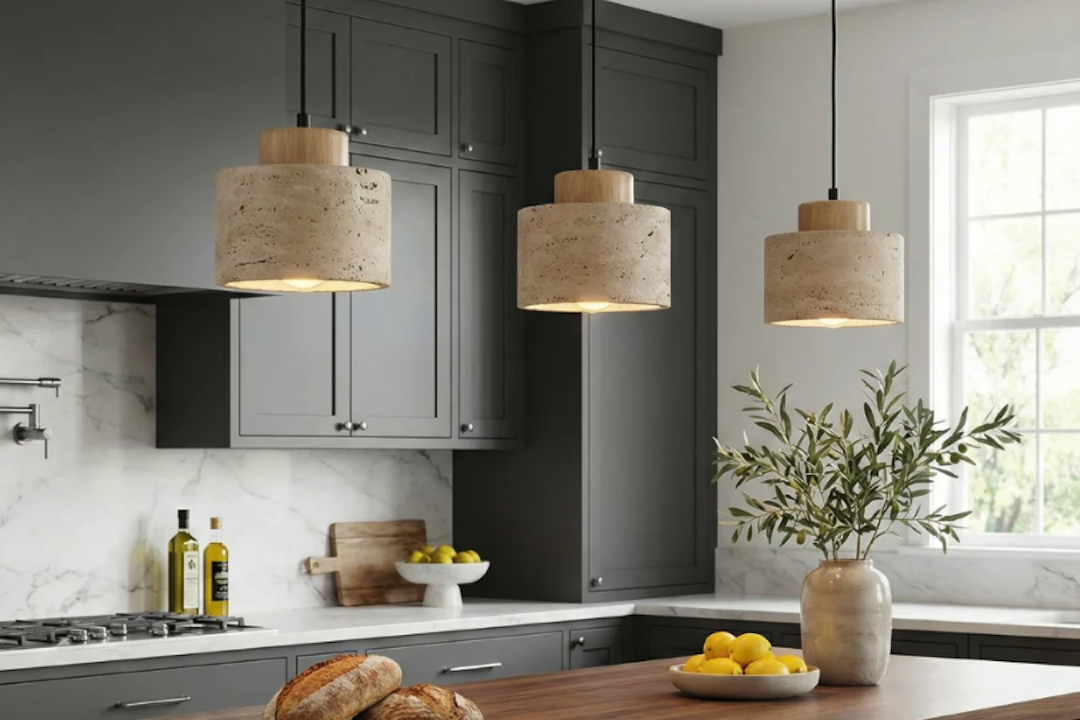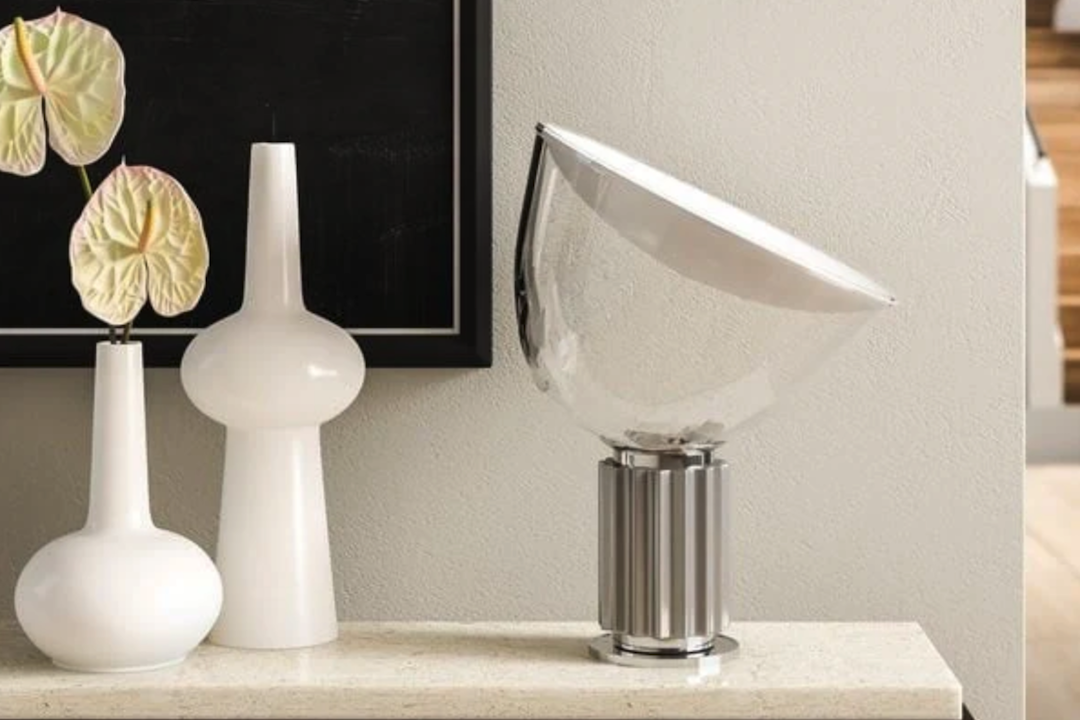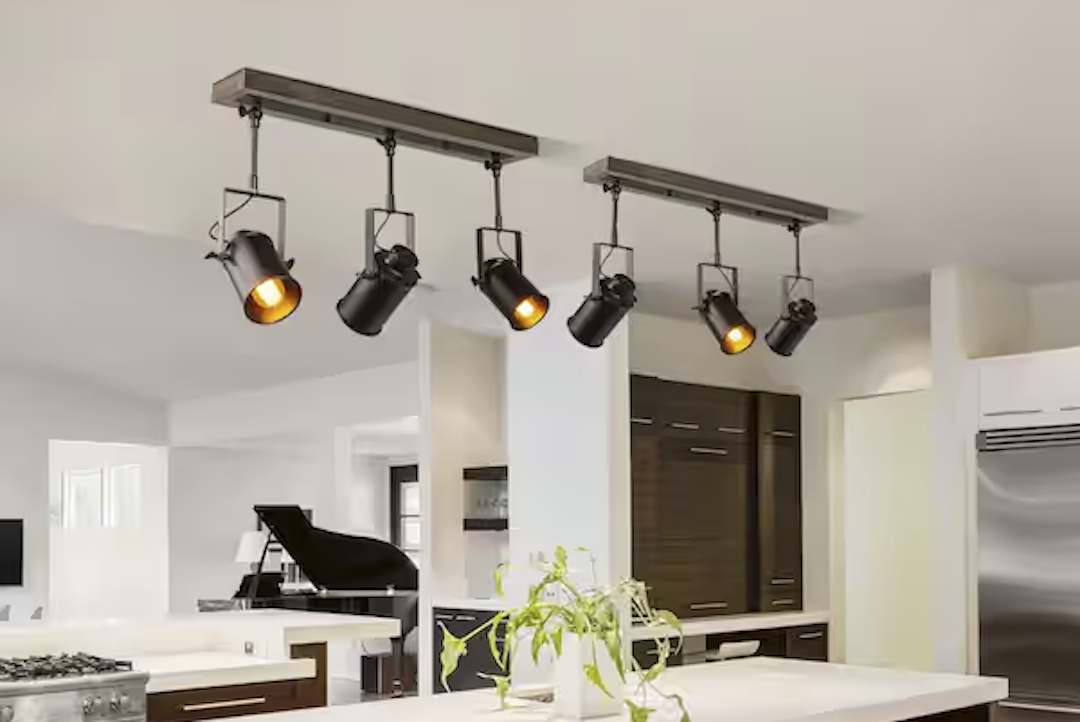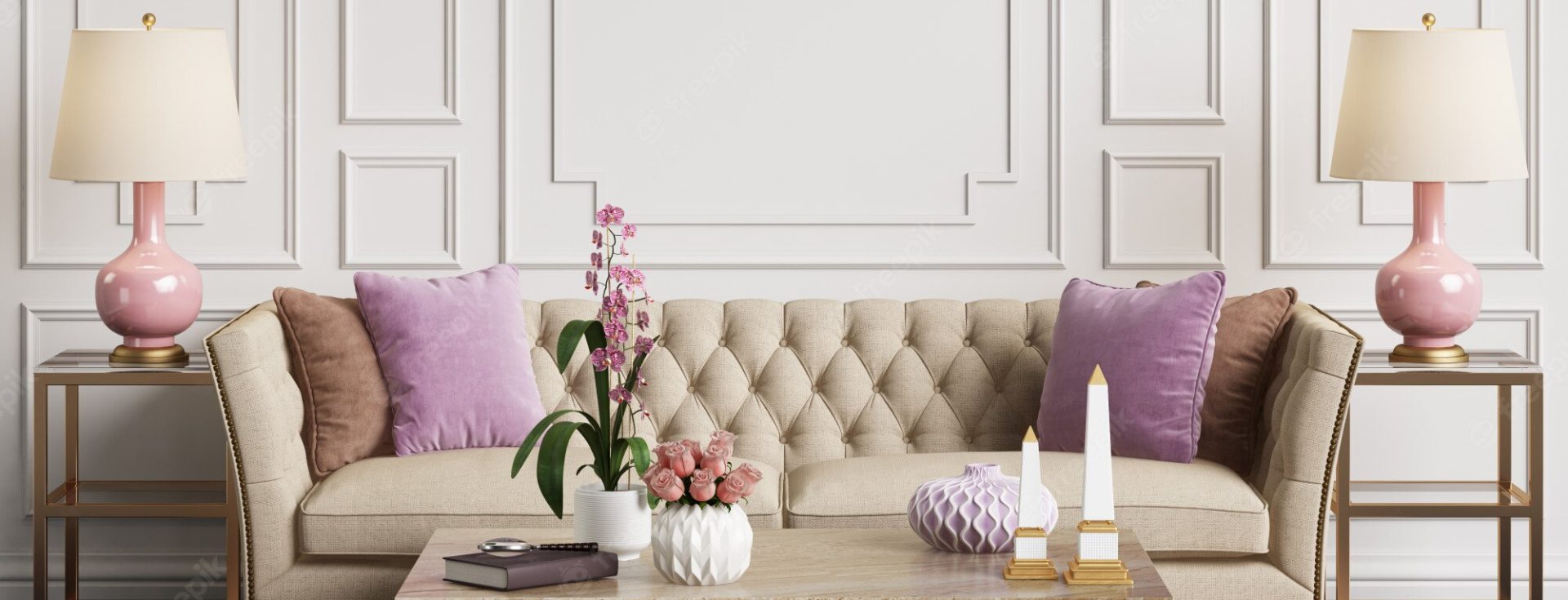

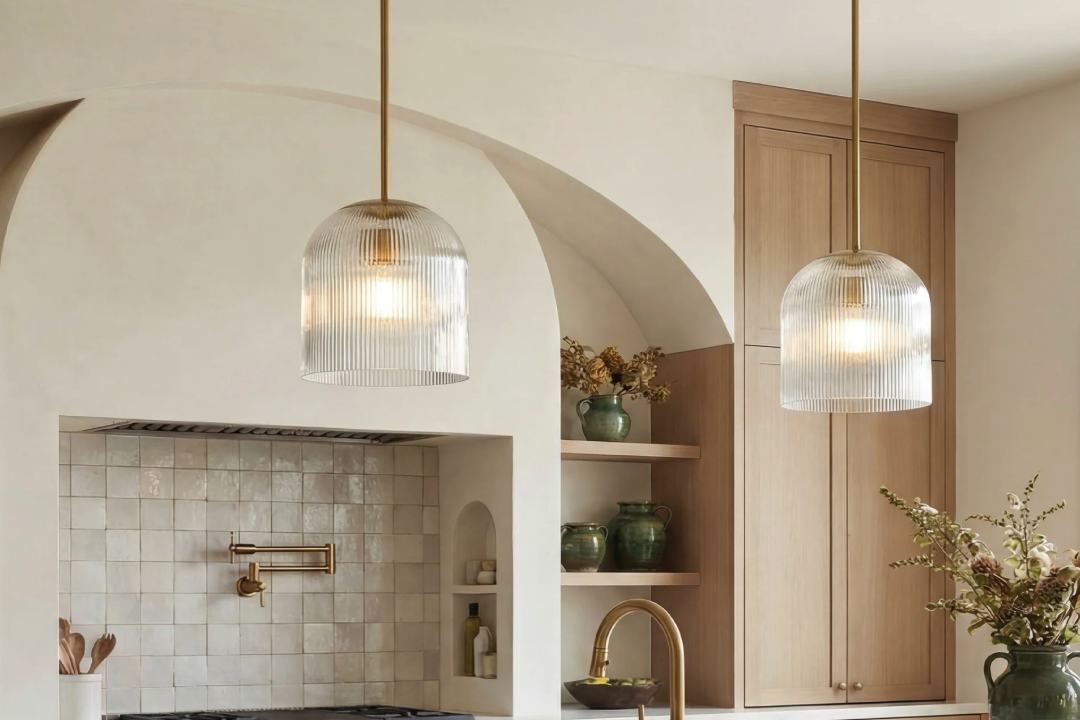
So, you’re wondering if fluted glass pendants are a good choice for your kitchen island lighting? The short answer is yes, absolutely. They offer a fantastic blend of style, functionality, and a touch of something special that elevates a modern kitchen. They diffuse light beautifully, add texture without being overbearing, and fit seamlessly into various design aesthetics. Let’s dig a little deeper into why these fixtures are making such a splash.
Fluted glass, with its distinctive ridged or grooved surface, isn’t just a pretty face. It serves a practical purpose while looking effortlessly chic. Think of it as a subtle design detail that offers a lot of bang for your buck.
The Allure of Texture and Light Diffusion
One of the biggest draws of fluted glass is the way it interacts with light Sowalwedding. The grooves aren’t just for show; they break up the light rays, creating a softly diffused glow rather than a harsh, direct beam. This is a game-changer for kitchen islands, where you want ample task lighting but also an inviting ambiance. The texture itself adds visual interest without needing bold colors or complex shapes, making it a versatile choice. It catches the eye subtly, adding depth to your space without shouting.
Modern Yet Timeless Appeal
While fluted glass has seen a resurgence in popularity recently, it’s not a fleeting trend. Its clean lines and refined look tap into a sense of enduring elegance. It has a modernist sensibility, reminiscent of mid-century design, but it translates perfectly into contemporary kitchens. It’s the kind of detail that feels current without being overly trendy, meaning your lighting choices will stand the test of time. You won’t find yourself wanting to replace them in a few years because they’ve gone out of style.
Versatility in Design Schemes
Whether your kitchen leans minimalist, industrial, Scandinavian, or even a bit transitional, fluted glass pendants can fit right in. Their understated elegance allows them to complement rather than compete with other design elements. They blend in beautifully, providing a subtle foundation for other decor choices or standing out as a quiet feature. This adaptability is truly one of their strongest points. They’re like that perfect neutral accessory that works with every outfit.
Practical Considerations for Your Kitchen Island
Beyond aesthetics, there are some practical aspects to think about when choosing any kitchen island lighting. Fluted glass pendants, while stylish, also need to meet the real-world demands of a busy kitchen.
Sizing and Placement: Getting it Right
This is crucial. Too small, and they look like an afterthought. Too large, and they overwhelm the space. A good rule of thumb is to measure your island and consider its scale. For a standard 6-foot island, two pendants are often ideal. For longer islands, three might be better. The goal is to create a balanced look without feeling crowded.
The “Rule of Two-Thirds”
A common design guideline suggests that the combined width of your pendants (or the fixture itself) should be about two-thirds the length of your island. This isn’t a hard and fast rule, but it’s a solid starting point to ensure your fixtures feel proportional.
Hanging Height Matters
The distance from the bottom of the pendant to your countertop is key. Generally, 30-36 inches (76-91 cm) is a good range. This allows for ample task lighting without obstructing views or bumping heads. Consider the height of the tallest person who regularly uses the island. You want to see their eyes, not the light fixture.
Lighting Output and Bulb Choices
Fluted glass diffuses light, which is great for ambiance, but you still need enough brightness for tasks like meal prep. This is where your bulb choice becomes important.
LED Bulbs: The Smart Choice
LEDs are the way to go. They’re energy-efficient, long-lasting, and come in a variety of color temperatures. For kitchen task lighting, aim for a color temperature between 3000K and 4000K (Kelvin) – this provides a crisp, clear light that’s good for detail work without being clinical. 2700K is warmer and more ambient, which some prefer, but 3000K is often a good balance.
Dimmable Options for Flexibility
Always opt for dimmable fixtures and bulbs. This gives you unparalleled flexibility. You can crank up the brightness for chopping vegetables and then dim it down for a relaxed evening meal or entertaining. It truly transforms the functionality and mood of your kitchen.
Maintenance and Cleaning
Let’s be real, kitchens can be messy. Splatters happen. So, how easy are these to keep clean?
Dust and Fingerprints
Like any glass fixture, they’ll attract dust. A regular wipe-down with a microfiber cloth usually does the trick. For fingerprints or smudges, a glass cleaner applied to the cloth (not directly to the fixture) works well.
Addressing Grease and Splatter
If your island is near the cooktop, you might get some grease buildup. For this, a gentle solution of mild dish soap and warm water applied with a soft cloth can clean the fluted glass effectively. Make sure the fixture is off and cooled down before cleaning. Always dry thoroughly to prevent water spots. The flutes might make it slightly more challenging than a smooth surface, but it’s far from a chore.
Integrating Fluted Glass with Kitchen Aesthetics
This is where the magic happens. Fluted glass pendants aren’t just standalone elements; they need to work with the rest of your kitchen.
Harmonizing with Cabinetry and Countertops
Consider the finishes of your cabinets and countertops. If you have sleek, handleless cabinets and a crisp quartz countertop, a minimalist fluted glass pendant with a subtle brass or matte black accent will look utterly stunning. For a kitchen with wood cabinetry and warmer tones, a fluted pendant with an aged brass or bronze finish could create a beautiful synergy. The transparency of the glass means it won’t clash with different finishes, but the hardware of the pendant can be used to tie elements together.
Complementing Color Palettes
The beauty of clear or frosted fluted glass is its neutrality. It doesn’t introduce a new color into your palette but rather enhances the existing ones. If your kitchen is monochromatic, the texture adds a much-needed layer of interest. In a colorful kitchen, it provides a calm, anchoring element that prevents the space from feeling too busy.
Pairing with Other Lighting Fixtures
Your pendant lights aren’t in isolation. Think about how they’ll work with other lighting sources in your kitchen, such as recessed lights, under-cabinet lighting, or even decorative wall sconces.
Layering for Optimal Effect
Good kitchen lighting is all about layering. Your fluted pendants provide ambient and task lighting over the island. Recessed lights provide general illumination. Under-cabinet lighting illuminates workspaces. The diffused glow from the fluted glass can be a lovely contrast to the sharper, more direct light from recessed fixtures, adding softness to the overall scheme.
Metal Finishes: The Finishing Touch
The hardware of your pendant – the canopy, rod, or chain – plays a significant role in its overall look.
Brass, Bronze, and Gold
These warm metallic tones often bring a touch of elegance and can complement kitchens with natural wood, warm grays, or jewel tones. They can lean traditional or modern depending on the specific finish (e.g., brushed brass for modern, antique brass for a more classic feel).
Matte Black and Oil-Rubbed Bronze
These darker finishes offer a bolder contrast, particularly against lighter cabinets or walls. They can contribute to an industrial, minimalist, or even a contemporary farmhouse aesthetic. Matte black is particularly popular in modern designs for its crisp, graphic quality.
Polished Chrome and Stainless Steel
For a truly clean, contemporary, or industrial look, polished chrome or stainless steel can be excellent choices. They reflect light and blend seamlessly with stainless steel appliances, creating a cohesive, sleek appearance.
Exploring Different Styles of Fluted Pendants
While the core element is fluted glass, the overall shape and style of the pendant can vary quite a bit. This allows you to fine-tune the look to match your specific taste.
Cylindrical and Tubular Designs
These are often the most straightforward and minimalist. A simple fluted cylinder or tube works beautifully in modern, Scandinavian, or industrial kitchens. They provide a clean, uncluttered look and can be arranged in a linear fashion over the island for a striking effect. They let the fluting of the glass really speak for itself.
Single vs. Multi-Light Configurations
You can find individual cylindrical pendants or fixtures that house multiple fluted glass tubes within a single canopy. The latter can create a more dramatic statement or provide broader illumination from a single electrical box.
Dome and Bell-Shaped Pendants
For a slightly softer, more rounded aesthetic, dome or bell-shaped fluted glass pendants are a fantastic option. They still maintain that modern edge but with a subtle curve that can feel a bit more inviting. These can work well in transitional kitchens or those that want a touch more organic form.
Variations in Curvature
Some domes will be a gentle curve, almost bowl-like, while others might be more pronounced, like an inverted bell. This slight variation can make a difference in how much light spills upwards versus downwards.
Unique and Abstract Forms
Beyond the classic shapes, designers are continually experimenting. You might find fluted glass pendants in elongated, teardrop, or even more abstract geometric forms. These can be incredible statement pieces, particularly in kitchens that embrace a more artistic or cutting-edge design philosophy.
Thinking Outside the Box
If you’re looking to truly personalize your space, exploring these less common shapes can set your kitchen apart. Just ensure they still provide adequate light and don’t overwhelm the space. They work best when they’re allowed to be a focal point.
What to Avoid (and What to Embrace!)
A quick run-through of some do’s and don’ts can prevent common pitfalls and ensure you’re making the best choices for your space.
Don’t Over-Clutter the Space
Less is often more with modern design. Don’t choose too many pendants or ones that are excessively large for your island. You want to enhance the space, not cram it. Over-cluttering can make your kitchen feel smaller and less inviting.
Don’t Ignore Scale and Proportion
As mentioned earlier, getting the size and number of pendants right is foundational. Eyeballing it can sometimes lead to disappointment. Take measurements and even consider mocking up the size with cardboard cutouts to get a visual sense.
Don’t Skimp on Quality
Kitchen lighting is an investment, both in aesthetics and functionality. Cheaper fixtures might look good initially, but poor quality wiring, flimsy materials, or shoddy finishes will become apparent over time. Invest in well-made fixtures that will last and perform.
Do Embrace Dimmers for Flexibility
This is worth repeating. Dimmers unlock the full potential of your lighting. They allow you to adapt the mood and functionality of your kitchen instantly, from bright task lighting to a soft, ambient glow.
Do Consider the Overall Lighting Scheme
Think of your fluted glass pendants as one part of a symphony. How do they interact with recessed lights, under-cabinet lighting, and natural light? A layered approach to kitchen lighting creates a functional and beautiful space.
Do Prioritize Bulb Choice for Function and Ambiance
The right bulb makes all the difference. Choose LEDs for efficiency and longevity. Pay attention to color temperature (Kelvin) for the desired mood and brightness (lumens) for adequate illumination. Dimmable bulbs are a must for maximum control.
Ultimately, fluted glass pendants offer a sophisticated, practical, and highly versatile lighting solution for modern kitchen islands. If you’re looking for something that perfectly balances form and function, while adding that sought-after touch of refined elegance, you’ve found a solid contender. They’re a choice that not only brightens your kitchen but elevates its entire aesthetic.