
A bedroom pendant light can absolutely transform your space, creating a cozy and inviting ambiance. Think of it as a focal point that brings warmth, style, and a touch of sophistication, all without being overpowering. It’s a simple swap that can make a surprisingly big difference.
Why Pendant Lights Work So Well for Bedrooms
Pendant lights Jievik are fantastic for bedrooms because they offer a more intimate and controlled light source compared to a harsh overhead fixture. They hang down, bringing the light closer to where you need it, whether that’s for reading in bed or just setting a relaxed mood. This directness helps to create pools of light, which naturally feel cozier than a room flooded with general illumination. Plus, their design possibilities are endless, allowing you to pick something that truly reflects your personal style and complements your existing decor.
Choosing the Right Pendant Light for Your Bedroom
The “right” pendant light isn’t just about aesthetics; it’s about function and how it integrates with your overall bedroom design. Consider the size of your room, the ceiling height, and the existing furniture. A tiny pendant might get lost in a large room, while an overly large one can make a small space feel cramped. Think about the kind of mood you want to cultivate. Do you prefer diffused, soft light, or something a bit more focused?
Material Matters
The material of your pendant light plays a big role in its overall aesthetic and the quality of light it emits.
Metal Pendants
Metal, whether it’s brushed nickel, matte black, or polished brass, can add a touch of industrial chic or classic elegance.
- Matte Finishes: Matte metals, like a matte black or brushed aluminum, tend to absorb light more, creating a softer, more diffused glow. This is excellent for a cozy, less bright ambiance.
- Polished Finishes: Polished metals and brass can reflect light, potentially making the space feel a little brighter. However, with a dimmer switch, you can easily control this.
Glass Pendants
Glass pendants offer a wide range of looks, from frosted to clear, colored to textured.
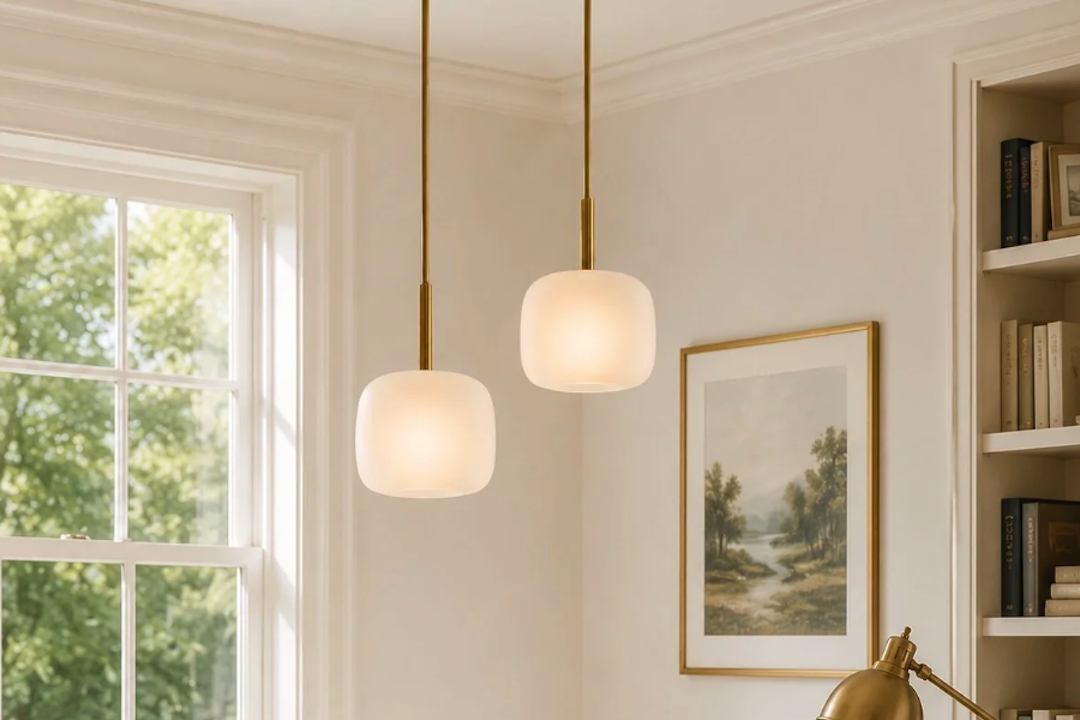
- Frosted or Opal Glass: These are superb for soft, diffused light. They hide the bulb and spread a gentle radiance, perfect for a bedroom where you want relaxation.
- Clear or Seeded Glass: These can showcase decorative bulbs (like Edison-style filaments) and offer a more direct, but often still soft, light. The texture in seeded glass can add visual interest and break up the light.
- Colored Glass: While less common for general cozy ambiance, colored glass can add a unique artistic touch, but be mindful of how the color impacts the light’s warmth.
Fabric Shades
Fabric shades inherently soften light and add a tactile element to your decor.
- Linen: A popular choice for its natural texture and ability to diffuse light beautifully.
- Cotton: Similar to linen, cotton offers a soft, organic feel.
- Woven Materials: Think rattan or bamboo for a bohemian or natural vibe. These materials also cast interesting patterns of light.
Wood and Natural Materials
Incorporating wood or other natural materials can bring an earthy, organic warmth to the bedroom.
- Wooden Accents: A pendant with wooden details or a full wooden shade can feel very grounding and inviting.
- Woven Baskets: Hanging basket-style pendants are currently very popular and add a bohemian or coastal feel.
Size and Scale
Getting the size right is crucial for balance.
For Smaller Bedrooms
In smaller rooms, opt for slim, minimalist pendants or those with a smaller shade diameter. You don’t want the fixture to dominate the space visually.
For Larger Bedrooms
Larger rooms can accommodate more substantial pendants. You might even consider a cluster of smaller pendants for a dramatic effect.
Ceiling Height Considerations
- Low Ceilings: Choose pendants that are more flush-mounted or have a shorter drop. Avoid anything that hangs too low, as it can make the room feel smaller and be a hazard.
- High Ceilings: You have more freedom here. Longer drop pendants can fill the vertical space and create a striking feature.
Light Quality and Color Temperature
This is where the “cozy” factor really comes into play.
- Warm White (2700K-3000K): This is your best friend for creating a cozy, inviting atmosphere. It mimics candlelight and is perfect for relaxation and winding down. Avoid cooler, bluer light temperatures, which are more energizing.
- Dimmer Switches are Key: No matter the pendant you choose, pair it with a dimmer switch. This gives you complete control over the intensity of the light, allowing you to dial it down for ultimate coziness or brighten it slightly for tasks.
Strategic Placement: Where to Hang Your Pendant Light
The placement of your pendant light is just as important as the light fixture itself for crafting that cozy ambiance. It’s about creating functional zones within your bedroom and guiding the eye.
Beside the Bed: The Classic Choice
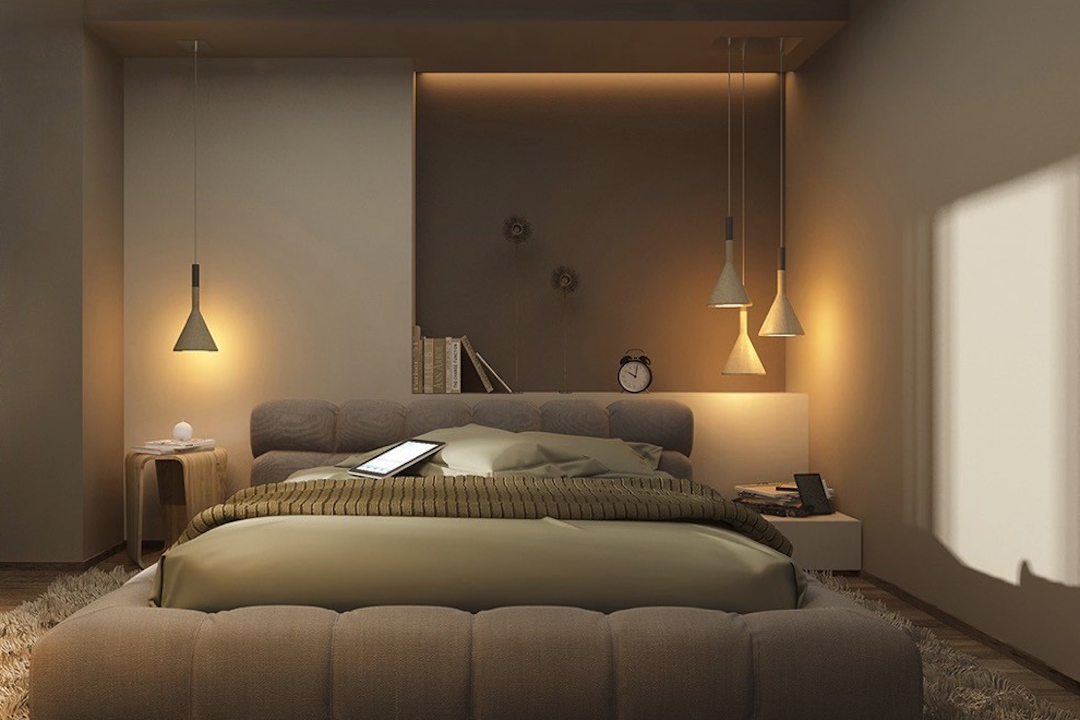
Hanging a pendant light on either side of your bed is perhaps the most popular and effective way to create a cozy bedside reading nook.
Replacing Traditional Bedside Lamps
- Desk/Task Lamps: A pendant replaces often bulky bedside lamps, freeing up precious surface space on your nightstand for books, water, or decorative items. This tidier look immediately contributes to a more serene environment.
- Directed Light: A precisely hung pendant provides focused light for reading without overwhelming the entire room. This makes it easier to wind down or get lost in a book without disturbing a partner.
- Symmetrical Appeal: Two matching pendants create a sense of balance and sophistication. It’s a classic design choice that consistently works.
Hanging Height for Bedside Pendants
- Readability: The bottom of the pendant shade should generally be at a height that allows comfortable reading in bed. Aim for the shade to be roughly level with your head when you’re sitting up.
- Clearance: Ensure there’s enough clearance so you don’t bump your head when getting in or out of bed. A typical drop might be anywhere from 24 to 30 inches from the ceiling, but this varies greatly depending on your ceiling height and the pendant’s design.
Above a Dresser or Console Table
A pendant can draw attention to a specific piece of furniture, elevating it and adding a decorative touch.
Creating a Focal Point
- Highlighting Furniture: A pendant centrally placed above a dresser or a decorative console table can turn that area into a stylish focal point.
- Ambient Lighting: It adds a layer of ambient light to the area, making it feel more inviting, especially if the dresser is where you get ready in the morning or choose outfits.
Scale and Proportions
- Slightly Smaller than the Furniture: Generally, the pendant’s shade diameter should be slightly smaller than the width of the dresser or console table. This prevents the fixture from looking too heavy or overpowering.
- Consistent Height: Ensure the pendant hangs at a height that doesn’t obstruct views or feel too low. It should feel integrated with the furniture piece, not just randomly hung.
In a Reading Nook or Cozy Corner
If you have a dedicated corner for reading or relaxing, a pendant light can define that space beautifully.
Defining a Zone
- Creating Intimacy: A pendant hung low in a corner with an armchair can make that little nook feel like a private, cozy sanctuary.
- Visual Interest: It adds a decorative element to a potentially overlooked area.
Consider the Pendant’s Style
- Statement Piece: This might be a good place for a more unique or artistic pendant that you want to showcase.
- Soft Glow: Choose a pendant that emits a warm, diffused light, perfect for relaxing.
Integrating Pendant Lights with Dimmer Switches and Smart Home Technology
The right light fixture paired with the right control system unlocks the full potential for a cozy bedroom ambiance. Dimmer switches and smart technology are not just conveniences; they are essential tools for mood-setting.
The Power of Dimmer Switches
A dimmer switch is non-negotiable when you’re aiming for a cozy bedroom atmosphere. It’s the simplest yet most effective way to adjust the mood.
Creating Layers of Light
- From Task to Ambiance: You can have a brighter light for reading or getting dressed and then dim it down for a soft, relaxing glow in the evening.
- Subtle Adjustments: Even small adjustments on a dimmer can make a big difference in how the room feels. You can fine-tune the light to be exactly how you want it.
Types of Dimmers
- Rotary Dimmers: Traditional dial-style dimmers are straightforward and often come with an integrated on/off switch.
- Slider Dimmers: These offer a more precise adjustment with a vertical slider.
- Smart Dimmers: These can often be controlled via an app, voice commands, or be programmed for schedules.
Smart Home Integration for Ultimate Comfort
If you’re embracing smart home technology, integrating your pendant light offers unparalleled convenience and control.
Voice Control
- Hands-Free Operation: “Hey Google, dim the bedroom pendant to 30 percent” or “Alexa, turn off the bedside lights.” This is incredibly useful when you’re already comfortable in bed.
- Scene Setting: You can create custom “scenes” that adjust multiple lights in the room simultaneously – for example, a “Relax” scene that dims the pendant and turns on a bedside lamp.
App Control
- Remote Adjustments: Adjust the lighting from anywhere using your smartphone. This is handy if you forget to turn off the lights before leaving the room or want to set a mood before you even enter.
- Scheduling: Program your pendant light to turn on or off at specific times. You could have it gently fade on in the morning to simulate sunrise or dim down at night to help you wind down.
Energy Efficiency
- LED Compatibility: Ensure your pendant light uses LED bulbs, which are naturally more energy-efficient. Dimming LEDs further reduces energy consumption.
- Scheduled Turn-Offs: Smart home features can help prevent lights from being left on unnecessarily, saving energy and money.
Pairing Pendant Lights with Other Lighting Elements
A pendant light is rarely the only light source in a bedroom, and its impact is amplified when paired thoughtfully with other lighting. The key is layering, creating different levels of light for various moods and functions.
Bedside Lamps as Complements
While a pendant can replace a bedside lamp, it can also work alongside one, especially if you choose a pendant for general ambiance rather than direct reading light.
Creating Balance
- Task vs. Ambient: If your pendant provides soft, ambient light, a small bedside lamp can offer more focused light for reading directly.
- Aesthetic Harmony: Ensure the styles of the pendant and bedside lamps complement each other. They don’t have to match, but they should feel like they belong together.
Dimmer Control for Both
- Independent Control: The ability to control the brightness of both the pendant and the bedside lamp independently allows for even more nuanced mood setting. You might dim the pendant for a soft glow and use a low-wattage bedside lamp for a touch of focused light.
Floor Lamps for Added Versatility
Floor lamps are excellent for filling larger spaces or creating specific pools of light in corners.
Filling Empty Spaces
- Corner Illuminator: A stylish floor lamp can bring light and visual interest to a forgotten corner, making it feel more intentional and cozy.
- Reading Zones: Position a floor lamp near an armchair or chaise lounge to create another comfortable reading area.
Ambient or Task Lighting
- Uplighting: Many floor lamps direct light upwards, which bounces off the ceiling and provides a soft, indirect ambient light that can complement a pendant.
- Adjustable Arms: Some floor lamps have adjustable arms, allowing you to direct light precisely where you need it, similar to a task lamp.
String Lights for a Whimsical Touch
For a more whimsical or bohemian vibe, string lights can add a charming layer.
Soft, Diffused Glow
- Fairy Lights: Delicate fairy lights draped around a headboard, across a mirror, or along a wall can add a magical, soft glow.
- Warm White is Best: Opt for warm white LED string lights to maintain that cozy, inviting feel. Cool white can feel too stark.
Combining with Pendants
- Complementary Mood: String lights can work wonderfully with a pendant light to create a multi-layered lighting scheme. The pendant might provide the main ambient light, while the string lights add a delicate twinkle.
- Avoid Overcrowding: Use string lights sparingly. Too many light sources, especially of varying colors or styles, can make the room feel cluttered rather than cozy.
Maintaining Your Pendant Light for Lasting Ambiance
Caring for your pendant light ensures it continues to cast its cozy glow for years to come. Regular maintenance is simple and directly contributes to the overall aesthetic and light quality.
Cleaning the Fixture
Dust and grime can accumulate on your pendant light, dulling its finish and affecting the light it emits.
Regular Dusting
- Soft Cloth: Use a soft, dry microfiber cloth to gently dust the fixture regularly. This is usually sufficient for everyday cleaning.
- Frequency: Aim to dust your pendant light at least once a month, or more often if you notice dust buildup.
Deeper Cleaning (As Needed)
- Check Manufacturer Instructions: Always refer to the manufacturer’s instructions for specific cleaning recommendations for the materials of your pendant.
- Glass Shades: For glass shades, use a mild glass cleaner and a lint-free cloth. Avoid harsh chemicals that could damage the finish or glass.
- Metal Finishes: For metal, use a cleaner specifically designed for that metal type. For example, use a brass cleaner for brass fixtures. Be gentle to avoid scratching.
- Fabric Shades: Fabric shades can often be spot-cleaned with a damp cloth and mild detergent, or some may be removable for hand washing or gentle machine washing if specified.
Bulb Replacement and Maintenance
The type of bulb you use and its condition significantly impact the light’s quality and your ability to create a cozy ambiance.
Choosing the Right Bulbs
- LEDs are Ideal: As mentioned, LEDs are energy-efficient, long-lasting, and available in various color temperatures. For cozy ambiance, always choose warm white (2700K-3000K).
- Dimmable Compatibility: Ensure your bulbs are explicitly marked as dimmable if you are using a dimmer switch. Non-dimmable bulbs can flicker or be damaged when used with a dimmer.
Bulb Longevity
- Gentle Handling: When replacing bulbs, handle them gently to avoid breakage.
- Check for Fraying: Periodically inspect the wiring and socket for any signs of wear or damage. If you see any, it’s best to consult an electrician.
- Burned-Out Bulbs: Replace burned-out bulbs promptly to maintain your desired lighting effect.
Professional Inspection (Optional but Recommended)
While most pendant lights are straightforward, occasional professional checks can offer peace of mind.
Electrical Connections
- Loose Wires: An electrician can ensure all electrical connections are secure, preventing potential hazards and flickering lights.
- Fixture Stability: They can also confirm that the fixture is securely mounted to the ceiling, especially important for heavier pendants.
Age of Fixture
- Wear and Tear: For older fixtures, a professional can identify any signs of wear and tear that might affect safety or performance.
By keeping your pendant light clean and using the right bulbs, you ensure its warm and cozy glow remains a consistent and inviting feature in your bedroom.