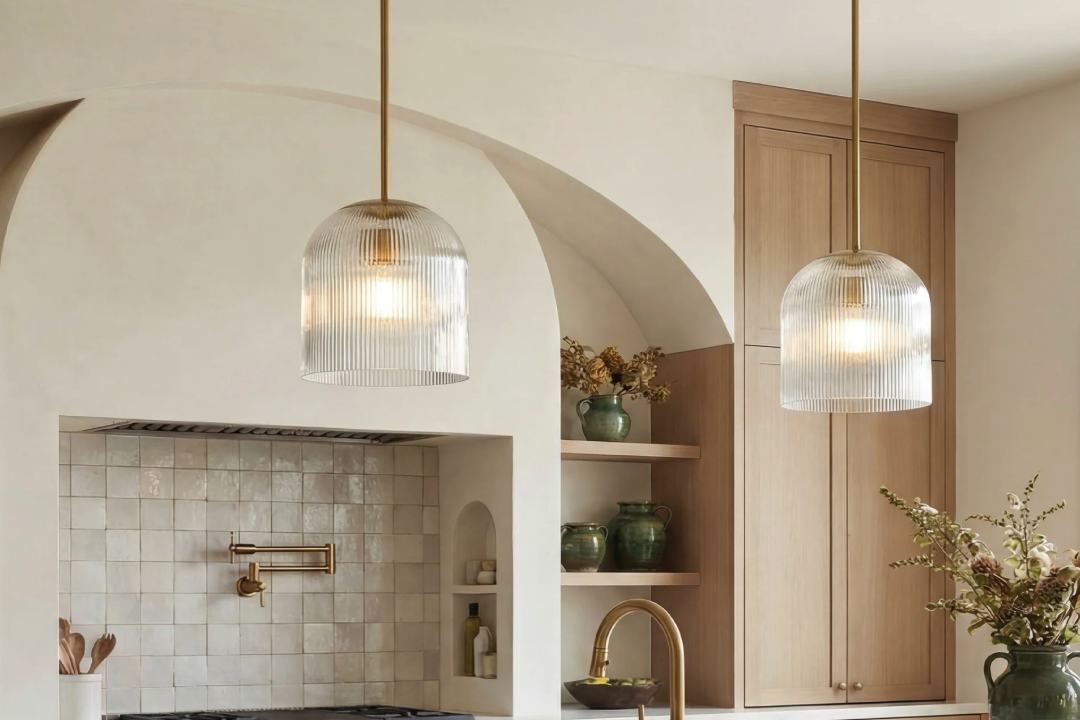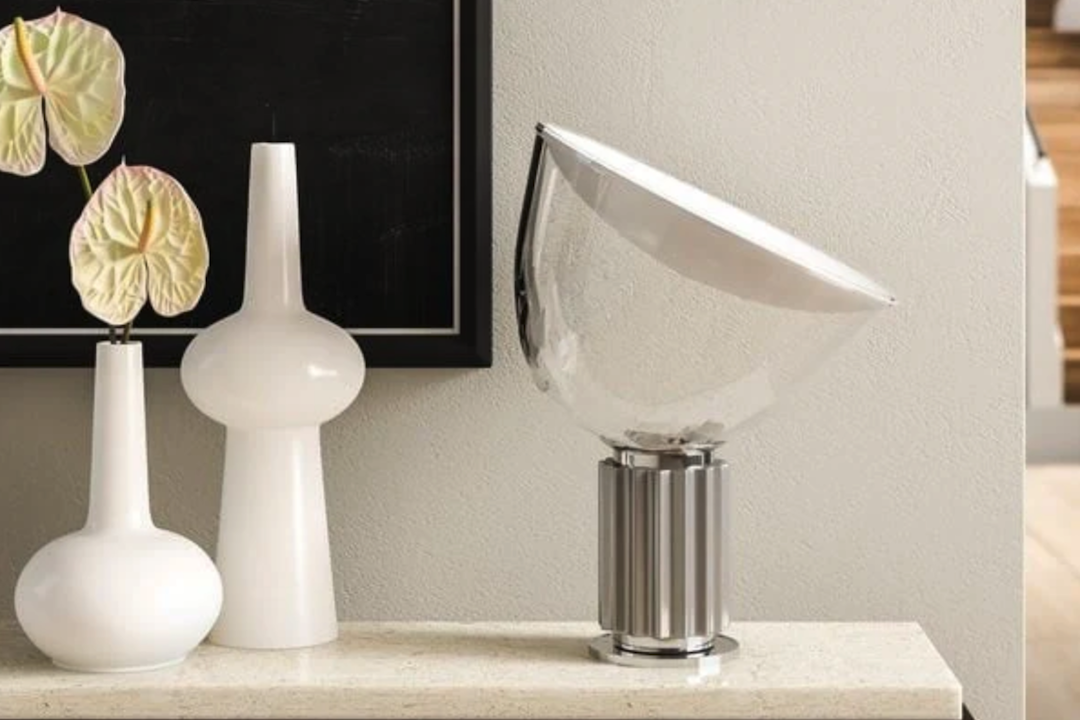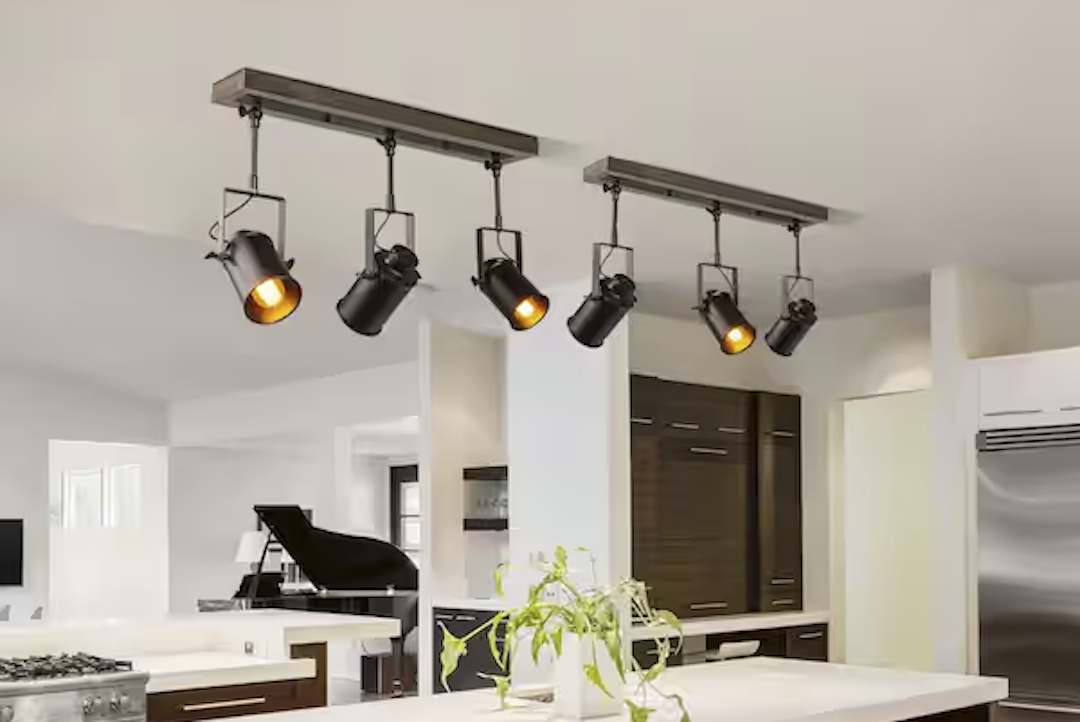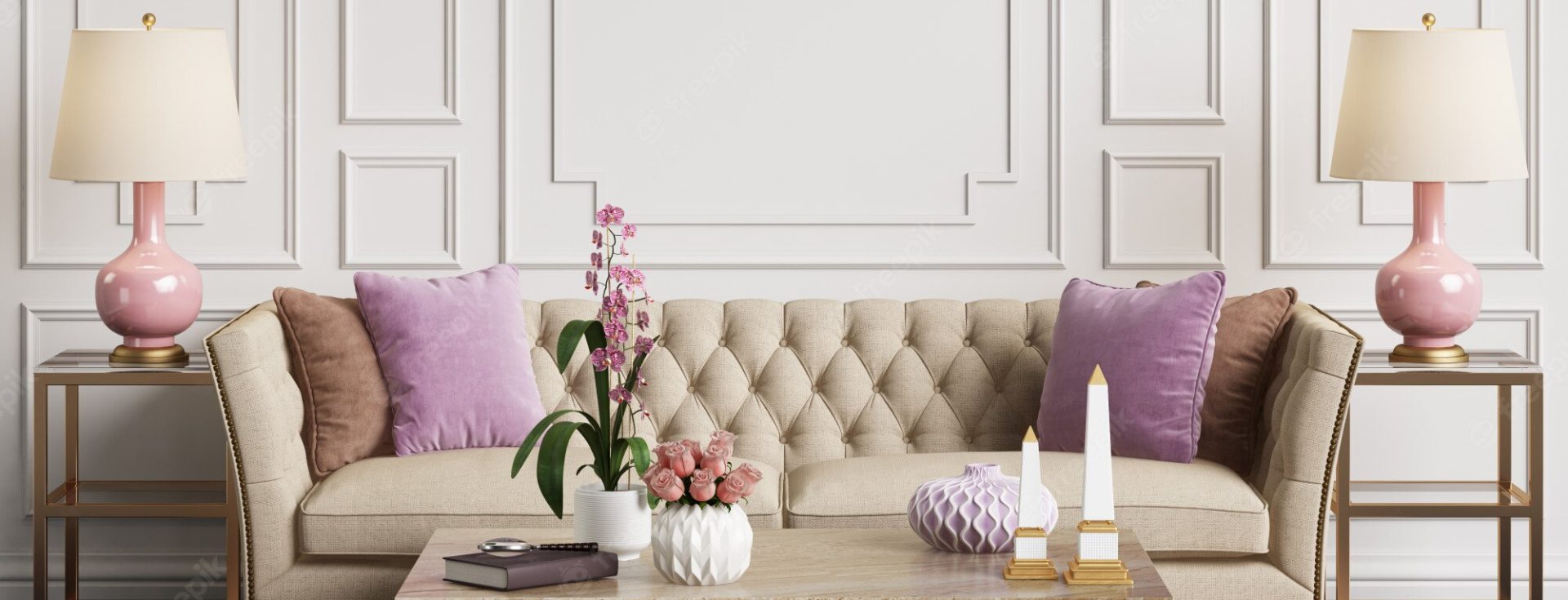

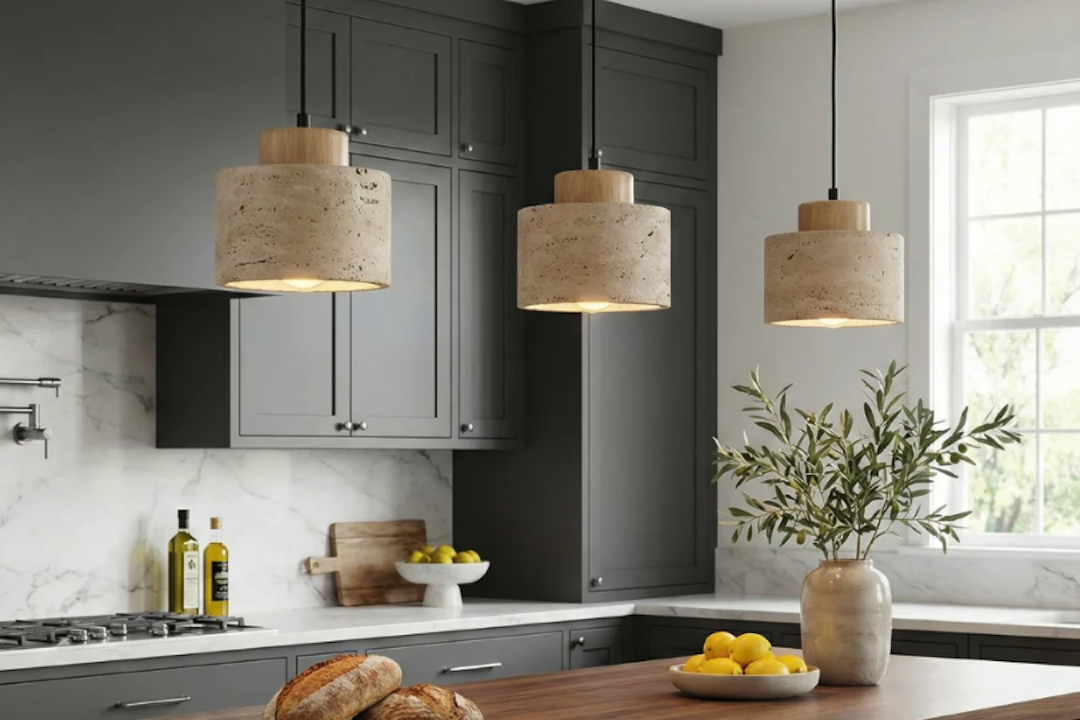
This article examines the “Minimalist Travertine Stone Pendant Light for Stylish Kitchen Island,” a specific lighting fixture that has gained prominence in contemporary interior design. It aims to provide a comprehensive overview of its characteristics, applications, and considerations for its integration into domestic spaces. The focus remains on factual presentation, technical aspects, and practical implications, rather than subjective aesthetic judgments.
The minimalist travertine stone pendant light ckensu embodies a design philosophy centered on simplicity, functionality, and the inherent beauty of natural materials. This approach, deeply rooted in modernist principles, prioritizes clean lines, essential forms, and a reduction of superfluous ornamentation.
Travertine as a Core Material
Travertine, a form of terrestrial limestone deposited by mineral springs, is the defining material of this lighting fixture. Its distinct appearance, characterized by porous surface textures and often subtle veining, makes each piece unique. The stone’s natural coloration, typically ranging from light beige to earthy browns, contributes to its understated elegance.
- Formation and Characteristics: Travertine forms through the precipitation of calcium carbonate from geothermally heated water. This process creates a layered structure and the characteristic voids that give it its texture. These voids are often filled with resin or cement during fabrication to create a smoother, more durable surface, though some designs intentionally leave them exposed for a more rustic aesthetic.
- Durability and Maintenance: Travertine is a relatively durable material, suitable for interior applications. However, its porous nature makes it susceptible to staining if not properly sealed. Regular cleaning with a pH-neutral cleaner is recommended to maintain its appearance. Acidic or abrasive cleaners can damage the stone’s surface.
- Aesthetic Contribution: The stone’s natural variations in color and pattern ensure that no two pendant lights are identical. This inherent uniqueness is a key selling point, offering a bespoke quality that mass-produced materials often lack. The stone diffuses light in a soft, warm manner, contributing to a calming ambiance.
Minimalist Form Factor
The minimalist design dictates a silhouette free from intricate details or flamboyant embellishments. The primary focus is on the pendant’s cylindrical, conical, or sometimes spherical form, directly showcasing the travertine material.
- Geometric Simplicity: Common forms include simple cylinders, truncated cones, or spheres. These geometric shapes are chosen for their visual clarity and their ability to integrate seamlessly into diverse interior styles without overwhelming other design elements.
- Absence of Ornamentation: Unlike traditional chandeliers or highly decorative light fixtures, the minimalist pendant eschews any form of applied ornament. The texture and coloration of the travertine itself serve as the primary decorative feature.
- Focus on Function: The design directly addresses the function of illumination. The form is subservient to the light output and the material’s aesthetic.
Illumination Characteristics and Functionality
Beyond its aesthetic appeal, the minimalist travertine stone pendant light serves a practical purpose: illumination. Its design and material choices influence the quality and direction of light it provides, making it suitable for specific applications.
Light Diffusion and Quality
Travertine, due to its inherent opacity and subtle translucence, plays a significant role in how light is diffused. The light emitted is generally warm and diffused, contributing to a softer ambiance compared to fixtures that provide direct, unshielded illumination.
- Warm Tones: The natural color variations of travertine often imbue the emitted light with a warm, inviting hue, complementing the stone’s organic aesthetic. This warm light is generally perceived as more comfortable and less harsh than cooler-toned illumination.
- Even Distribution: While the light is often directed downwards, the material itself can allow for a subtle glow to emanate from the sides of the pendant, contributing to a more even distribution of ambient light within its immediate vicinity.
- Elimination of Glare: The solid nature of the travertine shields the light source, minimizing direct glare that can often occur with exposed bulbs, particularly when positioned at eye level, such as above a kitchen island.
Directional Lighting for Task Areas
Many minimalist travertine pendant lights are designed to provide focused, downward-directed illumination. This makes them particularly well-suited for task-oriented areas, such as a kitchen island.
- Task Lighting Efficacy: By directing light onto the countertop surface, these pendants effectively illuminate the workspace, aiding in food preparation, cooking, and other activities performed at the island.
- Beam Angle Considerations: The internal reflector and the shape of the pendant dictate the beam angle of the light. Wider beam angles provide more general illumination, while narrower angles create a more concentrated spot, suitable for highlighting specific areas.
- Adjustability (Where Applicable): Some designs incorporate mechanisms for adjusting the height of the pendant, allowing for precise positioning and customization of the illuminated area. This adjustability is a practical feature for adapting to different task requirements.
Applications in Stylish Kitchen Island Settings
The minimalist travertine stone pendant light is frequently specified for modern kitchen island settings, where its aesthetic and functional attributes converge to create a cohesive and sophisticated space.
Enhancing Kitchen Island Aesthetics
The inherent elegance of travertine and the minimalist form factor contribute significantly to the visual appeal of a kitchen island. Its presence can elevate the overall design without overwhelming the space.
- Visual Anchor: A series of these pendants can act as a visual anchor above the island, drawing the eye and defining the space. The repetition of form and material creates a sense of rhythm and order.
- Contrast and Complement: The natural, organic feel of the travertine can provide a pleasant contrast to the often sleeker, more industrial materials found in modern kitchens, such as stainless steel appliances or polished concrete countertops. Conversely, it can complement and enhance other natural elements like wooden cabinetry or stone backsplashes.
- Statement Piece (Subtle): While minimalist, a well-chosen travertine pendant can still serve as a subtle statement piece, demonstrating an appreciation for natural materials and understated design.
Functional Lighting for Culinary Tasks
Beyond aesthetics, the pendant’s ability to provide focused task lighting is a primary reason for its deployment over kitchen islands. This functionality directly supports the practical activities of a modern kitchen.
- Prep Work Illumination: Adequate, glare-free light is crucial for food preparation, ensuring safety and precision during chopping, slicing, and other tasks. The downward-directed light from these pendants effectively illuminates the cutting surface.
- Entertaining and Dining Ambiance: While primarily task lighting, the warm diffused light can also contribute to a pleasant ambiance for casual dining or entertaining at the kitchen island. The absence of harsh light creates a more relaxed atmosphere.
- Integration with Overall Lighting Scheme: These pendants should be considered part of a broader kitchen lighting scheme, which typically includes ambient lighting (e.g., recessed lighting), accent lighting (e.g., under cabinet lights), and sometimes decorative lighting. The pendant fulfills the specific role of task and decorative lighting for the island.
Installation and Technical Considerations
The successful integration of a minimalist travertine stone pendant light requires careful consideration of installation parameters and technical specifications to ensure both functionality and safety.
Mounting and Suspension Systems
The weight of the travertine material necessitates robust mounting and suspension systems. Proper installation is critical to prevent accidents and ensure the longevity of the fixture.
- Ceiling Reinforcement: Depending on the weight of the pendant (especially for larger or multiple units), the ceiling structure may require reinforcement to support the load. This is a crucial safety aspect that should be assessed by a qualified electrician or contractor.
- Adjustable vs. Fixed Height: Some pendants offer adjustable suspension cables, allowing for customization of the drop height. Others are fixed-length, requiring careful planning of the installation point. Adjustable systems provide greater flexibility during initial setup and subsequent modifications.
- Canopy Design: The ceiling canopy, which conceals the electrical connections, should be aesthetically consistent with the pendant’s minimalist design. Often, these are simple, flush-mounted discs in a complementary finish (e.g., matte black, brushed brass).
Electrical Requirements and Compatibility
Understanding the electrical specifications is essential for safe and proper operation. This includes voltage, wattage, and bulb type.
- Voltage: Most pendant lights are designed for standard household voltage (e.g., 120V in North America, 230V in Europe). Always verify compatibility with your electrical system.
- Wattage and Lamp Type: The specified maximum wattage for the fixture should not be exceeded. Modern designs often utilize LED bulbs, which consume less power, generate less heat, and offer a longer lifespan compared to incandescent or halogen alternatives. The lamp base (e.g., E26/E27, GU10) dictates the compatible bulb type.
- Dimmability: For enhanced control over ambiance and light intensity, consider pendants compatible with dimmer switches. Ensure that both the fixture and the chosen bulbs are rated for dimming. Installation of dimmer switches should be performed by a qualified electrician.
- IP Rating (Where Applicable): While less common for indoor kitchen island pendants, if the fixture is positioned very close to a water source (e.g., sink), checking its Ingress Protection (IP) rating might be advisable to ensure resistance to splashes.
Sizing and Placement Guidelines
The size and placement of the pendant light relative to the kitchen island are critical for achieving both aesthetic balance and effective illumination.
- Scale and Proportion: The size of the pendant should be proportionate to the size of the kitchen island. A single, small pendant above a large island may appear insignificant, while an oversized pendant can dominate the space. Multiple smaller pendants are often preferred over one large one for larger islands.
- Height Above Countertop: A general guideline for pendant height above a kitchen island is typically 30-36 inches (75-90 cm) from the bottom of the fixture to the countertop. This height allows for clear visibility of the workspace without obstructing views or causing head collisions. Adjustments may be made based on ceiling height, personal preference, and the specific light output of the fixture.
- Spacing Between Multiple Pendants: When using multiple pendants, ensure even spacing to create a balanced visual effect and uniform illumination across the island. The number of pendants will depend on the length of the island and the desired aesthetic. A common approach is to center the pendants over the island, with appropriate spacing to the edges.
Styling and Integration into Interior Design
The minimalist travertine stone pendant light, while simple in form, offers versatility in styling and integration into various interior design schemes.
Complementary Design Styles
The natural essence of travertine and its minimalist form allow it to harmonize with a range of contemporary, transitional, and even some rustic interior styles.
- Modern and Contemporary: Its clean lines and natural material are perfectly suited for modern and contemporary aesthetics, which often emphasize simplicity, functionality, and organic elements.
- Scandinavian: The light wood tones and natural textures prevalent in Scandinavian design find a natural counterpart in the travertine pendant, enhancing the sense of calm and natural light.
- Transitional: In transitional interiors, which blend traditional and modern elements, the pendant can act as a bridge, introducing a touch of modern simplicity while resonating with other natural finishes.
- Earthy and Organic: For interiors emphasizing natural materials and an earthy palette, the travertine pendant is an obvious choice, reinforcing the connection to nature.
Material and Color Palette Harmony
Successful integration involves considering the existing material and color palette of the kitchen and surrounding open-plan spaces.
- Natural Materials: Combine the travertine pendant with other natural materials such as wood (oak, walnut), marble, granite, or linen textiles to create a cohesive and tactile environment.
- Color Schemes: The neutral tones of travertine allow it to blend seamlessly with various color schemes, from monochromatic palettes to those incorporating bolder accent colors. It typically harmonizes well with warm neutrals, greens, blues, and even softened blacks or charcoals.
- Contrasting Textures: The subtle texture of travertine can provide an interesting tactile counterpoint to smoother surfaces like polished metal, glass, or glossy cabinetry, adding depth to the visual scheme.
Ongoing Design Trend or Enduring Classic?
While currently a notable trend, the fundamental attributes of the minimalist travertine stone pendant light suggest a potential for longevity in interior design.
- Timelessness of Natural Materials: Natural stone, like travertine, possesses an inherent timeless quality. Its use in architecture and design spans centuries, indicating its enduring appeal.
- Resilience of Minimalist Design: Minimalist principles prioritize clarity, functionality, and a reduction of transient trends. This approach tends to have a longer shelf life than highly decorative or trend-driven designs.
- Adaptability: The simple form and neutral material make it adaptable to evolving design preferences, allowing it to remain relevant even as specific trends change. Its understated nature avoids making a strong, dated statement.
In summary, the minimalist travertine stone pendant light is a carefully considered design element. Its appeal lies in its sophisticated material, simple form, and effective illumination. By understanding its characteristics, applications, and technical considerations, readers can make informed decisions regarding its potential incorporation into their own interior design projects, particularly for a stylish and functional kitchen island.