
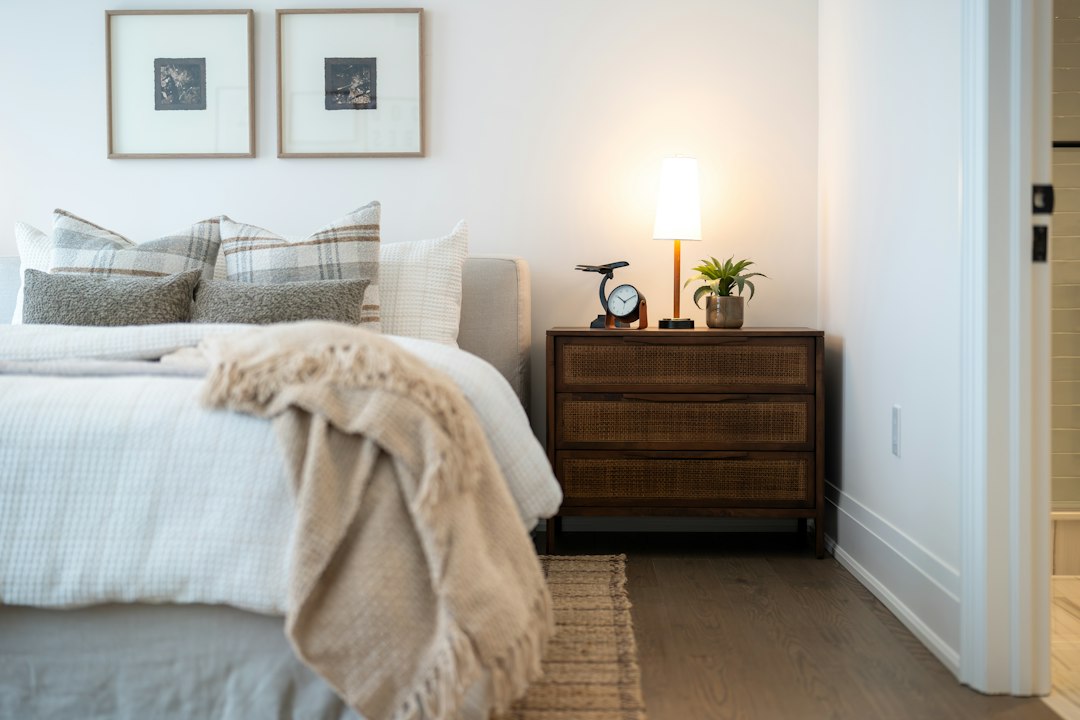
Choosing the perfect bedside floor lamp isn’t just about grabbing the prettiest one; it’s about finding a light source that genuinely enhances your bedroom’s comfort and functionality. The right lamp can transform your nightly routine, offering ideal illumination for reading without disturbing a partner, providing gentle ambient light, and tying your decor together. It’s a blend of practical needs and aesthetic desires, and getting it right makes a real difference in how you experience your personal sanctuary.
Why a Floor Lamp, Not Just a Table Lamp?
While bedside table lamps are a classic choice, floor lamps bring a different set of advantages, especially in certain bedroom setups. They’re not just bigger; they often offer more versatile lighting and can be a space-saving solution in unexpected ways.
Space-Saving Solutions
This might sound counterintuitive – a floor lamp is larger, right? But consider a smaller nightstand. If your bedside table is already crowded with books, a phone charger, a glass of water, and an alarm clock, adding a table lamp can quickly lead to clutter and a cramped feel. A floor lamp, on the other hand, stands independently on the floor, freeing up that precious surface space. Its base occupies a small footprint on the floor, often less than what a substantial table lamp might require on your nightstand.
Versatile Illumination
Floor lamps typically offer a broader reach and can provide a more varied type of light than their table-bound cousins. Many come with adjustable necks or swing arms, allowing you to direct light precisely where you need it – perfect for reading in bed without casting a harsh glare across the room. Some even feature multiple light sources, like an upward-facing ambient light and a downward-facing reading light, offering dual functionality from a single fixture. This adaptability makes them far more flexible for different nighttime activities.
Aesthetic Impact and Height
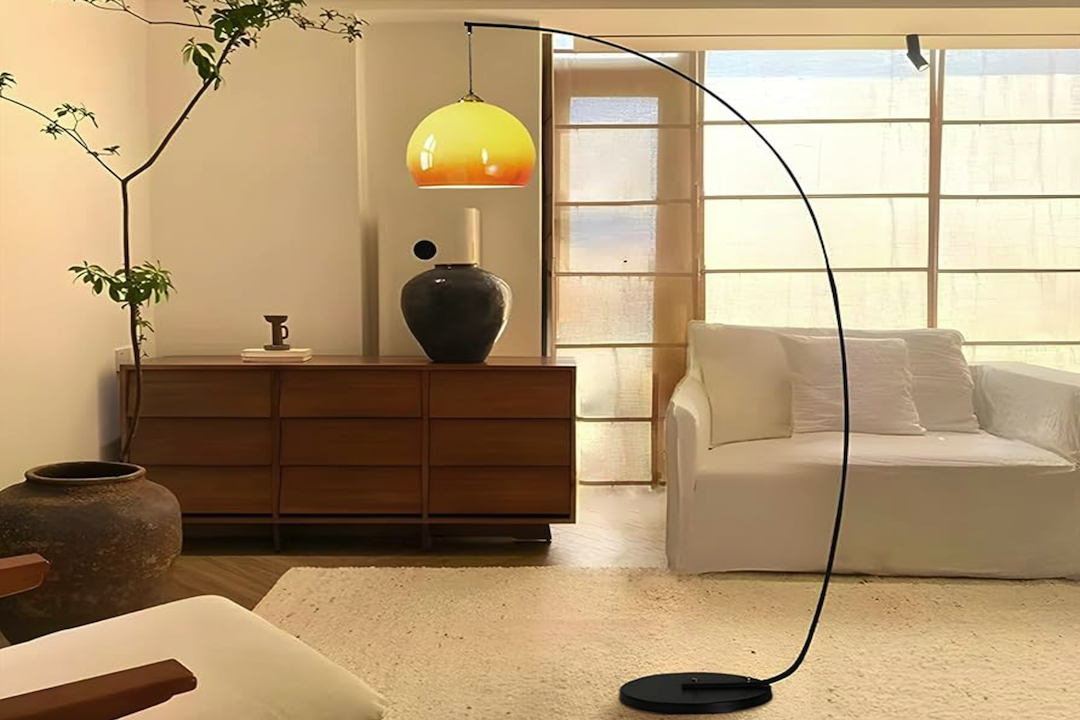
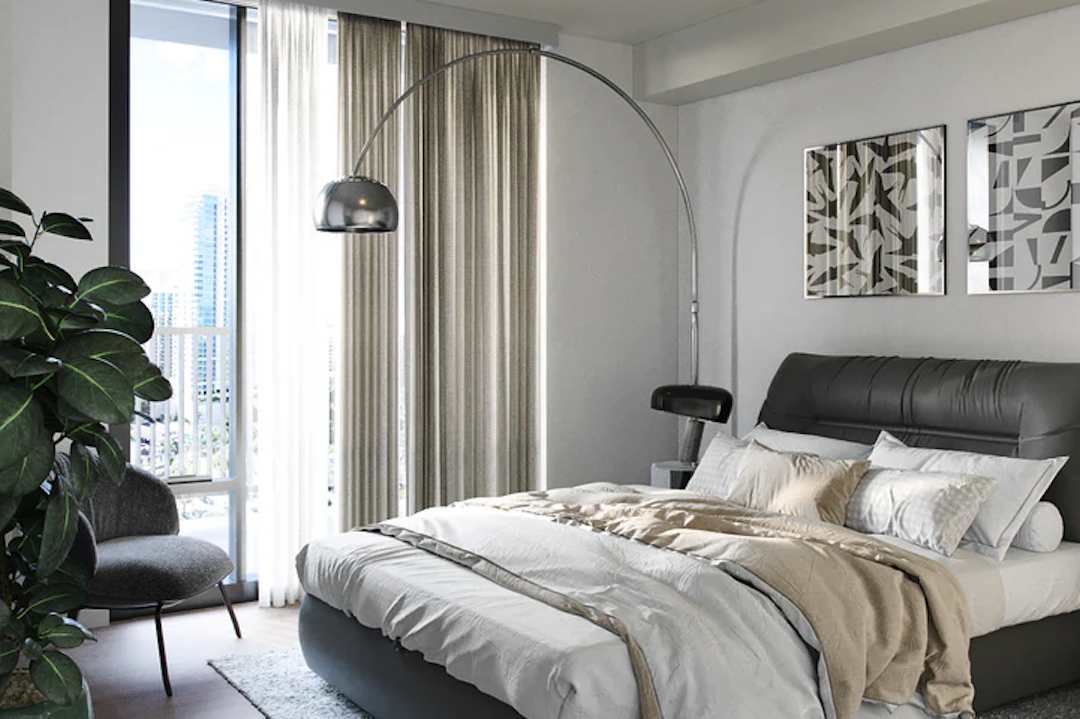
A floor lamp can also make a stronger design statement. Its height draws the eye upward, adding vertical interest to your room that a smaller table lamp might not achieve. This can be particularly useful in rooms with lower furniture or high ceilings, helping to balance the visual space. The sheer variety of styles, from sleek modern arcs to traditional pharmacy lamps, means there’s a floor lamp out there to complement any decor and act as a significant design element in its own right.
Understanding Your Lighting Needs and Preferences
Before you even start looking at styles, it’s crucial to pin down what you actually need the lamp for. Different activities require different types of light, and understanding this will guide your choice of bulb, shade, and lamp type.
Primary Purpose: Reading, Ambient, or Both?
Think about how you’ll primarily use this light.
Dedicated Reading Light
If you’re an avid nighttime reader, precision and adjustability are key. You’ll want a lamp that can direct a focused beam of light onto your book without spilling too much light onto a partner or the rest of the room. Look for features like a swing arm, an adjustable gooseneck, or a shade that funnels light downwards. The goal here is a bright, clear light specifically for your page.
Gentle Ambient Light
Perhaps you just need a soft glow to navigate the room without tripping, or a warm, inviting atmosphere as you wind down. For this, you’ll want a lamp with a diffuser or a shade that spreads light evenly and softly. Upward-facing lights or those with translucent shades are excellent for creating a general, diffused light that isn’t too harsh on sleepy eyes.
The Best of Both Worlds: Dual-Function Lamps
Many modern floor lamps are designed to serve multiple purposes. These often feature an upward-facing light for general room illumination combined with a separate, often adjustable, reading light. This offers incredible versatility, allowing you to switch between tasks or even use both simultaneously for a layered lighting effect. If your bedroom is multi-functional or you simply appreciate options, a dual-function lamp is a strong contender.
Bulb Type and Brightness (Lumens, Not Watts!)
Forget watts; they only tell you how much energy a bulb consumes. What you really need to pay attention to is lumens, which measure the actual brightness of the light.
Lumens for Reading and Ambiance
For comfortable reading, you’ll generally want a bulb in the range of 450 to 800 lumens (equivalent to an old 40W to 60W incandescent bulb). This provides sufficient light to prevent eye strain. For ambient light, you might go slightly lower, perhaps 300-500 lumens, or use a dimmer switch with a brighter bulb to adjust as needed. Many lamps specify a maximum wattage, but always check the recommended lumen output on the bulb itself for accurate brightness assessment.
Color Temperature (Kelvin)
This refers to how “warm” or “cool” the light appears. Measured in Kelvin (K):
- Warm White (2700K-3000K): This is a softer, yellowish light, similar to traditional incandescent bulbs. It’s often preferred for bedrooms because it promotes relaxation and creates a cozy, inviting atmosphere. Ideal for unwinding and general ambient light.
- Neutral White (3500K-4500K): A crisper, whiter light that’s good for task lighting where you need better color accuracy, but it can feel a bit clinical for a bedroom.
- Cool White/Daylight (5000K-6500K): A bluish-white light, excellent for alertness and concentration (think office or workshop), but generally too harsh and stimulating for a bedroom.
For a bedside lamp, aiming for the 2700K-3000K range is usually best to support relaxation and sleep.
Dimmer Switches and Smart Bulbs
These features can drastically enhance the versatility of your lamp.
- Dimmers: An integrated dimmer switch allows you to precisely control the light output, making a single lamp suitable for both bright reading and soft ambient lighting. It’s a game-changer for adaptability.
- Smart Bulbs: These go a step further, often allowing you to control brightness, color temperature, and even schedule lighting changes via an app or voice assistant. While a bit more of an investment, they offer unparalleled control and customization, perfect for tailoring your bedroom environment throughout the evening.
Positioning and Ergonomics: Getting the Height Right
Placement isn’t just about where the lamp stands; it’s about how the light falls and how comfortable it is to use. The height of the lamp relative to your bed and eye level is incredibly important for both functionality and comfort.
Ideal Height for Reading
This is where many people go wrong. If the light source is too low, you’ll be constantly leaning in. If it’s too high, it might cast shadows or shine directly into your eyes.
Aligning with Your Eye Level
The sweet spot for a reading lamp is usually such that the bottom edge of the lamp shade is roughly at your eye level when you’re sitting up or reclining in bed. This ensures the light is focused on your reading material and prevents glare. For floor lamps, this often means looking for models that are between 48 and 60 inches tall, but it truly depends on your bed’s height and how high you sit up.
Adjustability is Key
If you share a bed, or if you like to read in various positions (sitting upright, propped on pillows, lying on your side), an adjustable lamp is invaluable. Look for models with:
- Swing arms: Allow you to pull the light closer or push it away.
- Goosenecks: Offer precise directionality, letting you bend the light exactly where you need it.
- Telescoping poles: Though less common, some floor lamps allow you to adjust the overall height.
These features ensure that regardless of your position, you can always get the light just right for your comfort.
Avoiding Glare for You and Your Partner
Glare is not just annoying; it can cause eye strain and disrupt a sleeping partner.
Shade Material and Design
The lamp shade plays a critical role here.
- Opaque shades: (e.g., solid fabric, metal) are excellent for directing light downwards or upwards, preventing light from spilling sideways. This is ideal for focused reading light that won’t disturb a partner.
- Translucent shades: (e.g., frosted glass, thin fabric) diffuse light, creating a softer ambient glow. If your primary goal is ambient light and not disturbing a partner, ensure the shade is tall enough so the bulb isn’t directly visible from their side of the bed.
- Angled or Bell-shaped Shades: These designs are specifically crafted to direct light, often downwards, making them good choices for bedside use.
Strategic Placement
Position the lamp slightly behind and to the side of your head when you’re reading. This places the light source optimally for your page and minimizes its direct visibility to your partner. If the lamp has a swing arm, make sure it can extend far enough over your shoulder to illuminate your book without being in your direct line of sight.
Style and Aesthetics: Blending with Your Bedroom Decor
Once the practicalities are sorted, you can dive into the fun part: choosing a lamp that looks great and complements your existing bedroom decor. A bedside floor lamp isn’t just functional; it’s a piece of furniture that contributes significantly to the overall feel of the room.
Matching Your Bedroom’s Overall Vibe
Think about the dominant style elements in your bedroom. Is it sleek and modern, cozy and rustic, or somewhere in between?
Modern and Minimalist
For a contemporary space, look for lamps with clean lines, geometric shapes, and materials like brushed metal (chrome, nickel, black matte), glass, or minimalist wood. Arc lamps or slender, straight-pole designs with simple drum shades often fit well here. Avoid overly ornate details or busy patterns. The focus is on functionality and understated elegance.
Traditional and Classic
If your bedroom has a more timeless or classic feel, consider lamps with richer finishes like antique brass, bronze, or darker woods. Pleated or empire-shaped fabric shades are often a good match. Designs like pharmacy lamps (with their adjustable metal arms) or column-style lamps can also work beautifully, adding a touch of old-world charm without being overly fussy.
Rustic and Industrial
For a rustic or industrial aesthetic, look for lamps that incorporate raw materials. Wood, distressed metal, or even exposed Edison bulbs (if the shade allows for it aesthetically) can be striking. Lamps with cage shades, pulley systems, or pipe-like designs evoke an industrial feel. For rustic, think natural wood bases, perhaps with burlap or linen shades.
Bohemian and Eclectic
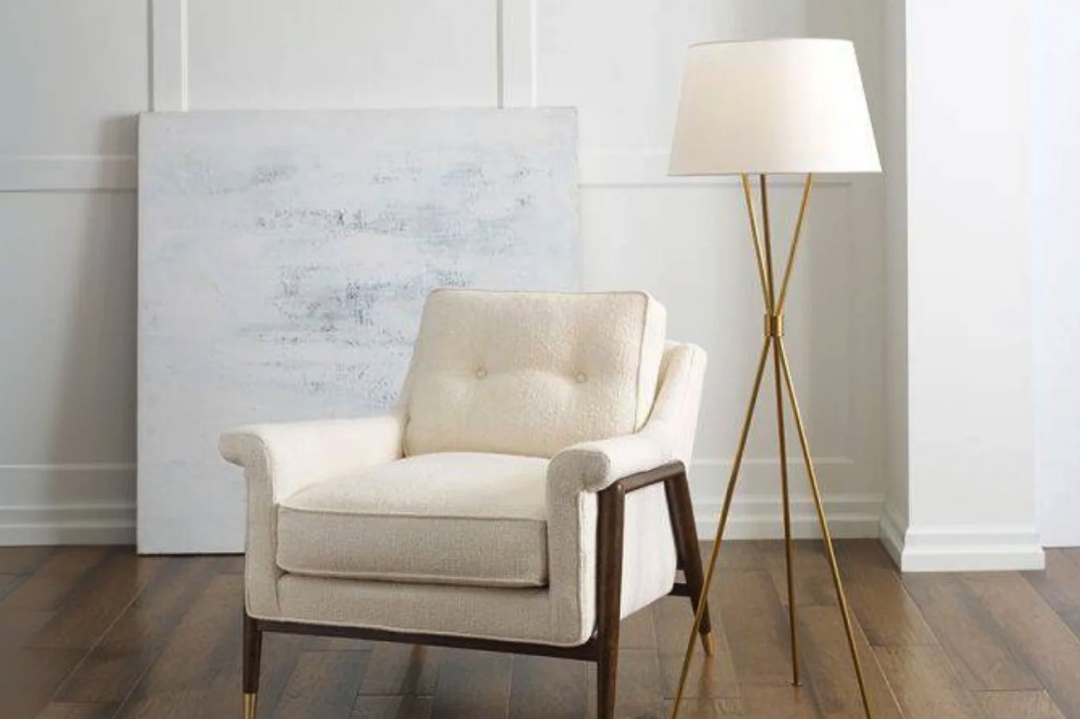
This style thrives on mixing and matching. Don’t be afraid to experiment with unique shapes, patterns, or unexpected materials like rattan, woven fabrics, or colorful ceramic bases. A tripod floor lamp can add a quirky touch, or a lamp with an interesting, textured shade. The key is to choose something that feels personal and adds character.
Shade Material and Design
The shade isn’t just about diffusing light; it’s a huge part of the lamp’s aesthetic.
Fabric Shades
- Linen and Cotton: Offer a soft, diffused glow and are versatile, fitting well in many decor styles. They come in a wide range of colors and textures.
- Silk: More formal and luxurious, providing a subtle sheen. Best for elegant or traditional spaces.
- Burlap or Jute: Perfect for rustic, farmhouse, or bohemian themes, adding natural texture.
Metal Shades
- Opaque Metal: Excellent for directing light precisely (common in reading lamps). Can be sleek and modern (brushed nickel, chrome) or industrial (black matte, copper).
- Perforated Metal: Allows small pinpricks of light to escape, creating interesting patterns on walls.
Glass Shades
- Frosted Glass: Provides an even, diffused light, often seen in modern or transitional designs.
- Clear Glass: Often used with decorative bulbs (like Edison bulbs) to showcase the bulb itself. Provides more direct light.
Other Materials
- Rattan or Woven Materials: Increasingly popular for bohemian, coastal, or natural themes, casting interesting shadows.
- Paper/Rice Paper: Common in minimalist or Japanese-inspired designs, offering a very soft, ambient glow.
Footprint and Base Stability
Don’t overlook the base! It needs to be stable and proportionate to the rest of the lamp and your room.
Stability
A bedside floor lamp needs to be sturdy. You don’t want it toppling over easily, especially if you have pets or children. A heavy, weighted base is a good sign of stability. Check the lamp’s overall construction; a flimsy connection between the pole and the base is a red flag.
Footprint
Consider the space available next to your bed.
- Small, weighted bases: Ideal for tight spots.
- Tripod bases: Offer good stability and a strong design statement but require a wider footprint.
- Arc lamps: Their base sits close to the wall, but the arc extends significantly, requiring overhead clearance and some spatial consideration.
Ensure the base doesn’t block walking paths or make the area feel cluttered. A well-designed base will integrate seamlessly into your bedside setup.
Functional Features and Practical Considerations
Beyond aesthetics and basic lighting, a few practical features can really elevate your bedside floor lamp experience. These are the little things that make everyday use more convenient and enjoyable.
Integrated Charging Ports and Outlets
This is a game-changer for many people. Our bedside tables are often a hub for electronics – phones, smartwatches, e-readers.
USB Ports
Many modern floor lamps now come with built-in USB-A and/or USB-C charging ports. This means you can charge your devices directly from the lamp without needing an extra wall adapter or cluttering your nightstand with a power strip. It’s incredibly convenient and helps keep your charging cables tidy. Look for fast-charging ports if that’s important to you.
AC Outlets
Some lamps also include a standard electrical outlet (AC) built into the base or pole. This is perfect for plugging in a laptop, a sound machine, or any other small appliance you might need next to your bed. It effectively turns your lamp into a mini-charging station, consolidating your power needs.
Switch Types and Accessibility
How you turn the light on and off might seem minor, but it makes a big difference when you’re half-asleep.
Foot Switches
These are great for lamps that are primarily ambient. You simply tap them with your foot to turn the lamp on or off. They keep the pole clean and minimal, but might not be ideal if you need to reach for the switch from bed.
Pull Chains
A classic and often charming option, particularly for traditional lamps. Easy to locate and operate in the dark, but can feel a bit dated in modern settings.
Rotary Dimmers/Knobs
Common on the lamp pole or base, these allow for precise brightness control. They are generally easy to reach and operate.
Touch Sensors
Some modern lamps feature touch-sensitive areas on the pole or base. A simple tap or touch turns the light on/off and sometimes cycles through brightness settings. Very sleek and convenient.
Remote Controls and Smart Integration
For the ultimate convenience, lamps with remote controls or smart home integration (e.g., compatible with Alexa, Google Home, or a dedicated app) allow you to control the light without ever leaving your bed. This is especially useful if your lamp is placed in a spot that’s hard to reach.
Cord Management
A tangle of cords can ruin the aesthetic of even the most beautiful lamp.
Integrated Channels
Some lamps feature internal channels or discreet clips along the pole to keep the power cord neatly tucked away. This prevents dangling cords and creates a cleaner look.
Cord Length
Ensure the lamp’s power cord is long enough to reach your nearest outlet without needing an extension cord. If it’s too long, consider purchasing some adhesive cable clips to secure the excess neatly against a wall or furniture leg.
Durability and Materials
A good lamp is an investment, so you want it to last.
Metal Construction
Lamps made from sturdy metals like steel, brass, or aluminum tend to be more durable and less prone to tipping or bending than those made from very lightweight or flimsy materials.
Quality of Finish
Examine the finish (paint, plating, etc.). A good quality finish will be even, chip-free, and resistant to scratching. This ensures the lamp will continue to look good for years to come.
Shade Construction
Check how the shade is constructed. Fabric shades should have tight seams and a sturdy frame. Glass shades should be well-secured. A good quality shade will not only last longer but also diffuse light more effectively.
By considering these functional and practical aspects, you can choose a bedside floor lamp that not only looks fantastic but also genuinely makes your nightly routine more comfortable and convenient. It’s about creating a harmonious and functional space where you can truly relax and unwind.