
Eating outdoors is one of life’s simple pleasures, but when the sun goes down, good lighting becomes key. For al fresco dining, resilient outdoor lighting isn’t just about looking nice; it’s about making sure your lights can handle whatever the weather throws at them while still providing the perfect ambiance for your meal. You need fixtures that are tough enough for the elements and smart enough to create a comfortable, inviting atmosphere, year after year.
When we talk about “resilient” lighting, we’re not just using a fancy word. It’s about practical durability and consistent performance in an outdoor setting. Think about it: your outdoor dining area is exposed to rain, wind, sun, and temperature swings. Standard indoor lights Lovinolive wouldn’t last five minutes out there.
Durability Against the Elements
This is the core of resilience. Outdoor lights need to be built to withstand moisture, dust, UV radiation, and even physical impact from things like falling branches or accidental bumps. Choosing the right materials and construction is paramount.
Long-Term Performance and Safety
Resilient lighting isn’t just about surviving; it’s about thriving. You want lights that continue to work reliably without flickering, corroding, or becoming a safety hazard. Frayed wires or exposed electrical components are not only inconvenient but dangerous. Good quality resilient lighting ensures consistent performance and keeps your dining area safe.
Reducing Maintenance and Replacement Costs
Nobody wants to constantly be fixing or replacing outdoor lights. Investing in resilient options upfront saves you time, money, and hassle in the long run. Fewer repairs mean more time enjoying your outdoor space, not maintaining it.
Key Factors in Choosing Resilient Fixtures
When you’re out shopping for outdoor dining lights, there are a few technical specs and design considerations that really matter. Don’t just pick something that looks good; dig a little deeper into how it’s made.
Ingress Protection (IP) Ratings
This is a crucial number to look for. An IP rating tells you how well a fixture is protected against solids (like dust) and liquids (like water). The first digit refers to solids, the second to liquids.
Understanding IP Ratings for Water Resistance
- IP44: Protected against splashing water from any direction. Good for sheltered areas, like under a porch or awning.
- IP65: Protected against jets of water from any direction. Suitable for areas exposed to rain. This is a common good minimum for most exposed outdoor lights.
- IP67: Protected against immersion in water up to 1 meter for 30 minutes. Useful for ground lights or areas prone to temporary flooding.
- IP68: Protected against continuous immersion in water under conditions specified by the manufacturer. Think underwater lights for ponds or fountains.
For al fresco dining, aiming for at least IP44, but ideally IP65, for any exposed fixtures is a smart move.
Material Selection for Longevity
The materials used are a big part of how resilient a light will be. Some materials hold up much better outdoors than others.
Corrosion-Resistant Metals
- Stainless Steel: Great for modern aesthetics, but opt for marine-grade 316 stainless steel if you’re near saltwater, as 304 can still corrode.
- Aluminum: Lightweight and doesn’t rust, but cheaper aluminum can corrode. Powder-coated aluminum offers better protection.
- Brass and Copper: Develop a beautiful patina over time and are naturally very corrosion-resistant, making them excellent choices for coastal areas or traditional aesthetics.
UV-Resistant Plastics and Glass
Any plastic components, like diffusers or housing, need to be UV-stabilized to prevent them from becoming brittle and discolored over time. Glass is generally excellent, but impact-resistant tempered glass is a good upgrade for areas where breakage might be a concern.
Wiring and Connections
Often overlooked, the wiring and connections are common failure points in outdoor lighting if not properly sealed and protected.
Sealed Junction Boxes and Connectors
All electrical connections should be housed in IP-rated junction boxes or use watertight connectors. This prevents moisture from getting into the electrical circuit, which can lead to shorts, corrosion, or electrocution hazards.
UV-Resistant Cable Sheathing
Outdoor cables need robust, UV-resistant sheathing to prevent cracking and degradation from sun exposure. Look for cables rated for outdoor use, often indicated by specific designations like UF (Underground Feeder) for direct burial, or sunlight-resistant markings.
Types of Resilient Lighting for Al Fresco Dining
Now that we know what to look for, let’s explore where to put these resilient fixtures to best illuminate your dining experience. A layered approach usually works best, combining different types of lights.
Overhead Lighting
This provides general illumination for the dining area.
String Lights (Commercial Grade)
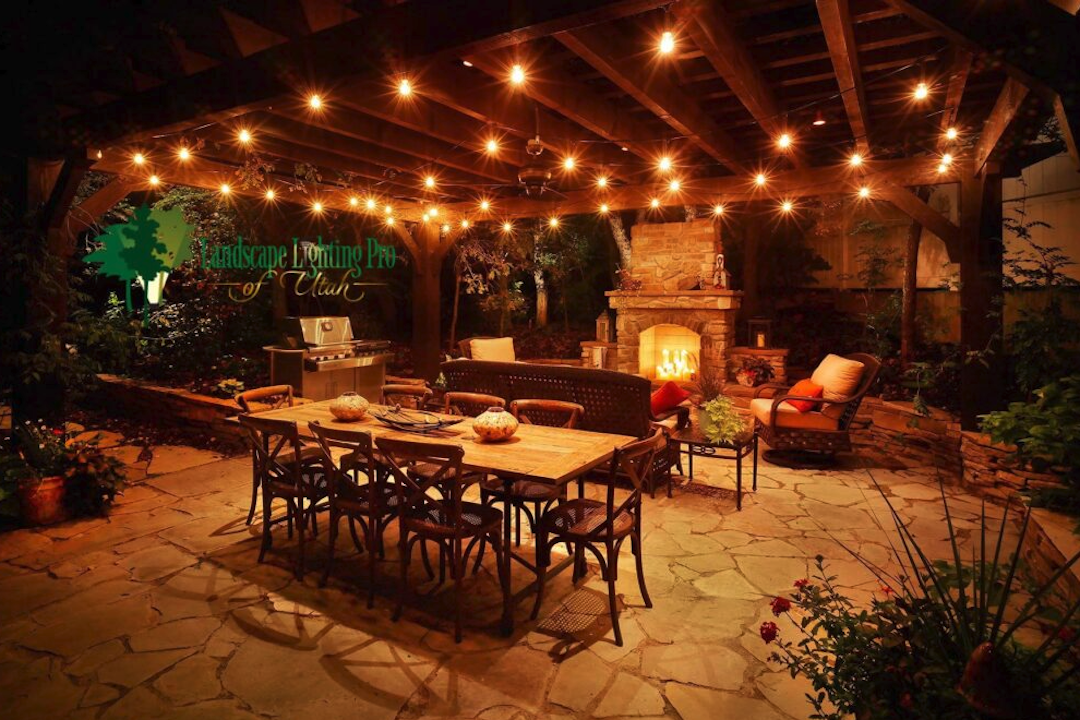
Forget the flimsy party lights. Commercial-grade string lights feature thicker, more durable wiring, often with sealed, replaceable LED bulbs. They create a festive and inviting canopy. Look for heavy-gauge wire and sockets designed to prevent moisture ingress.
Pendant Lights and Chandeliers (Outdoor Rated)
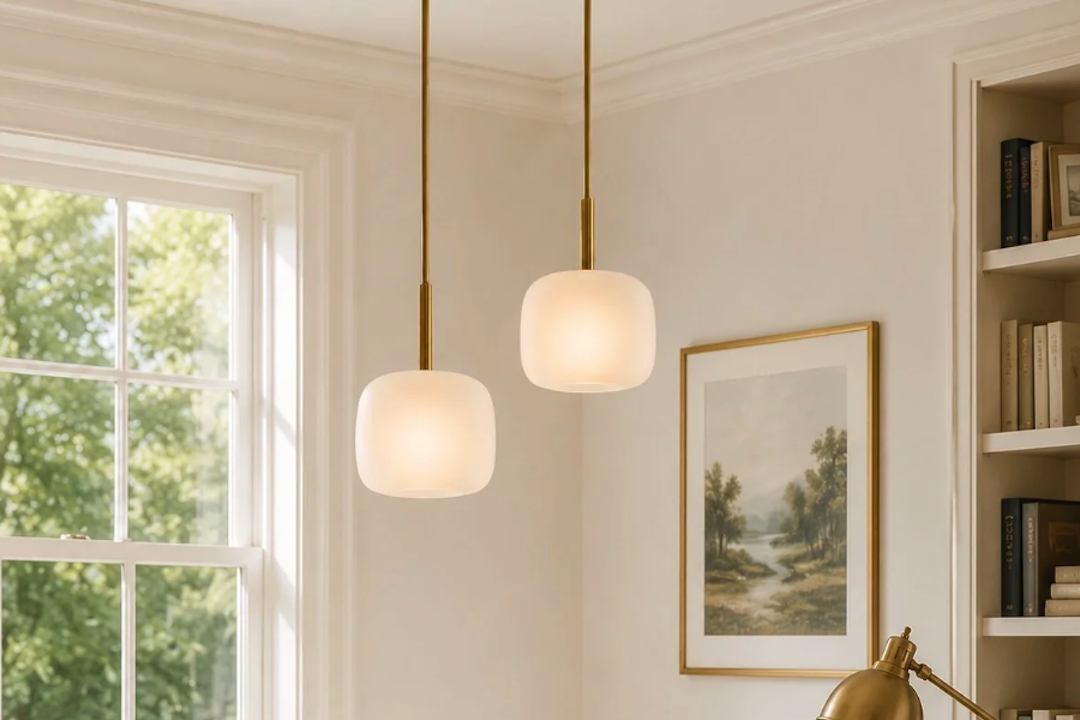
If your dining area is covered, outdoor-rated pendants or chandeliers can add a touch of elegance. Ensure they are explicitly rated for damp or wet locations, depending on their exposure level. Their materials should also match the criteria discussed above for corrosion and UV resistance.
Canopy or Sail Lights
For larger, less structured areas, lights integrated into a canopy or sail structure can provide diffused overhead light. These often use flexible LED strips or panels that are highly weather-resistant.
Task and Accent Lighting
This focuses light where it’s needed or highlights specific features.
Wall-Mounted Sconces
These are great for providing ambient light and can define the boundaries of your dining space. Ensure they have appropriate IP ratings and durable finishes to withstand the elements. Placing them strategically can create pools of light without being overly bright.
Post Lights and Bollards
Ideal for illuminating pathways leading to the dining area or defining its perimeter, bollards cast light downwards or outwards without creating glare. Their robust construction means they can withstand accidental bumps and weather.
Integrated Planter Lighting
Lights integrated directly into planters around the dining area can create a soft, upward glow, highlighting foliage and adding a magical touch. These often require a high IP rating (IP67 or IP68) as they are close to soil and irrigation.
Subtle and Ambient Lighting
These lights create atmosphere and depth without being the main source of illumination.
Uplights and Downlights (Ground or Deck Mounted)
Used to highlight features like trees, textured walls, or architectural details around the dining space, uplights and downlights add dramatic flair. Choose fixtures designed to withstand foot traffic or direct water exposure if ground-mounted.
Step Lighting
Essential for safety on stairs or elevation changes around the dining area. These small, low-level lights prevent trips and falls while contributing to the overall ambiance. Again, high IP ratings are a must for ground-level fixtures.
LED Strip Lighting (Waterproof)
Flexible LED strips can be used in countless ways – under benches, along railings, or even integrated into dining tables. Look for strips encased in silicone or epoxy (IP67 or IP68) for true weather resistance and longevity.
Smart Lighting Integration for Enhanced Resilience
Smart lighting isn’t just about convenience; it can actually enhance the resilience of your outdoor dining setup by allowing for more controlled and protective operation.
Automated Scheduling
Setting lights to turn on and off automatically based on sunset/sunrise or a custom schedule means they’re only on when needed, extending their lifespan. You can also integrate them with security systems or motion sensors.
Dimming and Color Temperature Control
Adjusting brightness and color temperature allows you to fine-tune the ambiance for different occasions. Dimming not only saves energy but also reduces wear and tear on bulbs. Cooler temperatures might be good for cooking, while warmer tones are perfect for relaxing.
Weather-Responsive Controls
Some advanced smart systems can integrate with local weather forecasts. Imagine your lights dimming or changing color when rain is detected, or even turning off completely if high winds are predicted, protecting them from unnecessary exposure.
Remote Monitoring and Diagnostics
With some smart systems, you can remotely check if your lights are working correctly. This can help identify issues early, before they become major problems, potentially preventing water ingress or electrical faults from escalating.
Installation and Maintenance Best Practices
Even the most resilient lighting won’t last if it’s installed poorly or neglected. Proper installation and routine checks are just as important as the quality of the fixtures themselves.
Professional Installation for Safety and Longevity
While some DIY is possible, electrical work, especially outdoors, carries risks. Hiring a qualified electrician ensures that wiring is correctly routed, connections are sealed, and all safety codes are met. This also ensures your lights are installed to maximize their lifespan and withstand the elements.
Ensuring Proper Grounding
Outdoor electrical systems absolutely must be properly grounded to prevent electrical shock hazards, especially in wet conditions. An electrician will ensure this is done correctly.
Strategic Placement to Minimize Exposure
Thinking about where you place fixtures can drastically impact their longevity. For example, placing a wall sconce under an overhang provides more shelter than on a fully exposed wall, even if both are rated for outdoor use.
Regular Cleaning and Inspection
Outdoor lights get dirty. Dust, pollen, leaves, and even bird droppings can accumulate.
Cleaning Fixtures and Lenses
A simple wipe-down with a damp cloth can keep your lights looking good and performing optimally. Dirty lenses can reduce light output. Avoid harsh chemicals that might damage finishes.
Checking for Wear and Tear
Periodically inspect wiring, connections, and housing for any signs of damage – cracks, fraying, corrosion, or loose parts. Addressing small issues early can prevent major failures down the line.
Replacing Bulbs and Components
Even with resilient fixtures, bulbs will eventually burn out, and sometimes components might need replacement.
Using Compatible, Outdoor-Rated Replacements
Always replace bulbs with ones of the correct wattage and type, ensuring they are rated for outdoor use if exposed. When replacing parts, use manufacturer-approved replacements to maintain the fixture’s integrity and IP rating.
Sealing and Gaskets
When opening a fixture for maintenance or bulb replacement, ensure all gaskets are properly seated and seals are re-secured to maintain its water resistance. Consider replacing old, brittle gaskets.
The Payoff: An Enjoyable, Lasting Outdoor Dining Experience
Investing in resilient outdoor lighting for your al fresco dining area isn’t just about ticking boxes; it’s about enhancing your lifestyle. It means you can confidently host dinners, enjoy quiet evenings, or simply relax outdoors, knowing your lighting system is dependable and safe.
Good resilient lighting contributes significantly to the overall ambiance. It creates a welcoming, functional space that extends your living area outdoors. You won’t have to worry about lights failing halfway through a dinner party, or constantly battling rust and wear. Instead, you get a beautiful, well-lit environment that stands up to the test of time and weather, year after year.
Ultimately, choosing resilient outdoor lighting is about peace of mind. It’s knowing that your investment will provide consistent beauty and function, allowing you to focus on what truly matters: enjoying delicious food and good company under the open sky.