
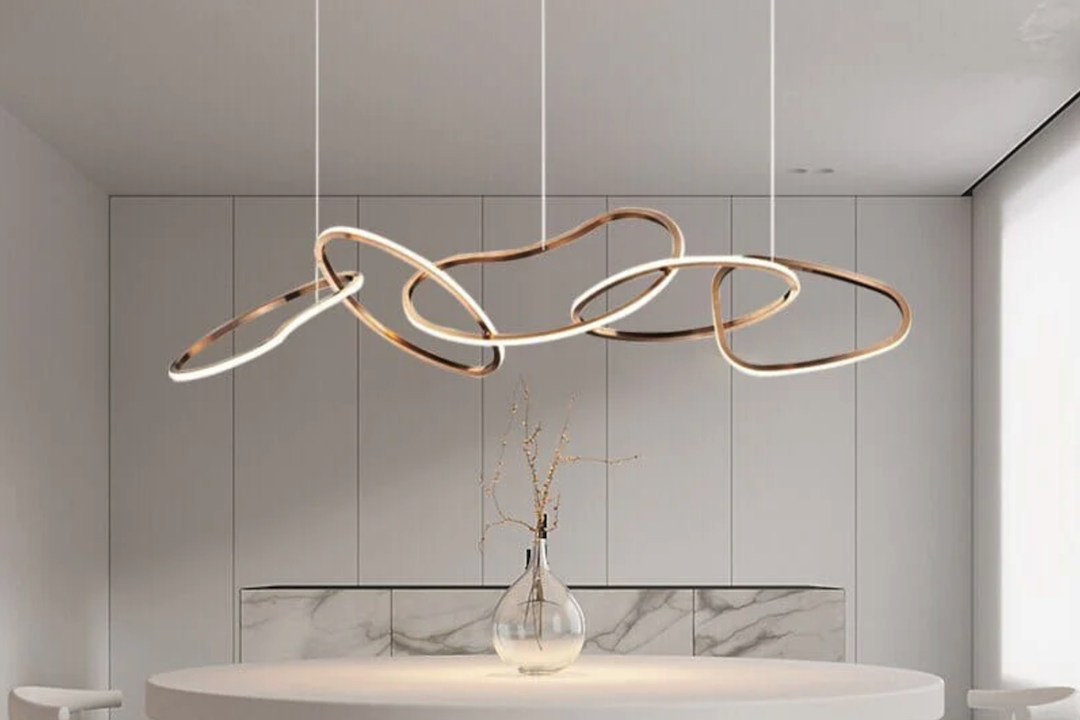
Wrought iron chandeliers originated during the medieval period when craftsmen first utilized iron for both decorative and functional lighting applications. These early fixtures were primarily installed in churches and large halls, where their durable construction and detailed metalwork could be prominently displayed. The selection of wrought iron served both aesthetic and practical functions, as the material’s structural integrity enabled the creation of larger fixtures capable of supporting multiple candles and, in later periods, gas lighting systems to illuminate expansive interior spaces.
During the Renaissance era, wrought iron chandelier design underwent substantial development. Craftsmen incorporated increasingly complex patterns, frequently drawing inspiration from natural forms and mythological themes. The characteristic scrollwork and decorative elements that emerged during this period reflected contemporary artistic preferences and technical capabilities.
By the 18th century, wrought iron chandeliers Bonisis had become standard fixtures in European aristocratic residences, serving as indicators of social status and refined taste. The Industrial Revolution significantly impacted the manufacturing process of wrought iron chandeliers. This period introduced mechanized production methods that enabled larger-scale manufacturing while preserving many of the handcrafted qualities associated with traditional artisanal techniques.
This technological advancement made these lighting fixtures more widely available while maintaining their distinctive design characteristics.
The Versatility of Wrought Iron Chandeliers in Restaurant Decor
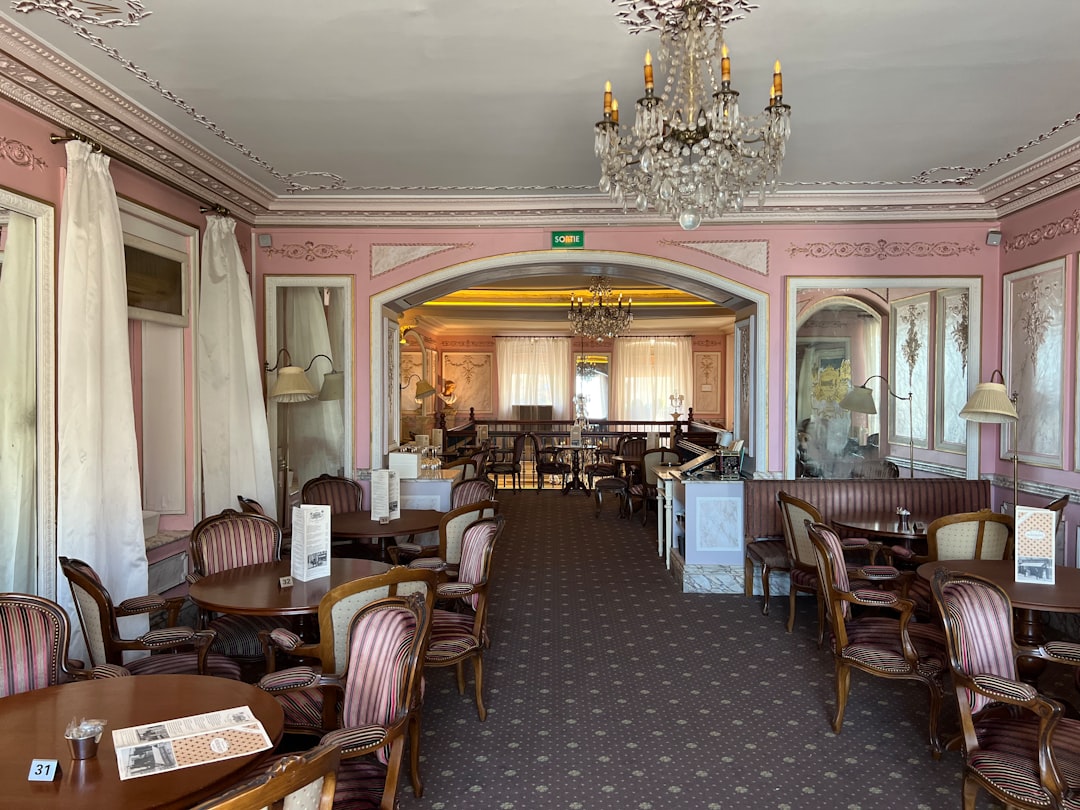
Wrought iron chandeliers are remarkably versatile, making them an ideal choice for various restaurant themes and styles. From rustic bistros to upscale dining establishments, these fixtures can seamlessly blend into any decor scheme. Their robust nature allows them to complement a range of materials, including wood, stone, and glass, creating a cohesive aesthetic that enhances the overall dining experience.
For instance, in a farm-to-table restaurant, a wrought iron chandelier with a distressed finish can evoke a sense of warmth and authenticity, aligning perfectly with the establishment’s commitment to natural ingredients. Moreover, the adaptability of wrought iron chandeliers extends to their design variations. They can be found in numerous styles, from minimalist and modern to ornate and traditional.
This diversity allows restaurant owners to select fixtures that resonate with their brand identity. A contemporary eatery might opt for sleek, geometric wrought iron designs that emphasize clean lines and simplicity, while a Mediterranean-inspired restaurant could choose chandeliers adorned with intricate scrollwork and candle-like bulbs to evoke a sense of old-world charm. This flexibility not only enhances the visual appeal of the space but also contributes to creating an inviting atmosphere that encourages patrons to linger.
The Elegance and Timelessness of Wrought Iron Chandeliers
One of the most compelling attributes of wrought iron chandeliers is their inherent elegance and timelessness. Unlike many modern lighting fixtures that may quickly fall out of favor due to changing trends, wrought iron chandeliers possess a classic quality that transcends time. Their ability to evoke a sense of history and craftsmanship makes them a favored choice among designers and restaurateurs alike.
The intricate designs often tell a story, reflecting the artistry of the craftsmen who created them and adding depth to the dining environment. The elegance of wrought iron chandeliers is further enhanced by their ability to adapt to various lighting technologies. While traditional candlelight was once the primary source of illumination, modern iterations can accommodate LED bulbs, providing energy efficiency without sacrificing aesthetic appeal.
This adaptability ensures that wrought iron chandeliers remain relevant in contemporary settings while still exuding an air of sophistication. The interplay between light and shadow created by these fixtures adds an enchanting quality to any space, making them not just sources of illumination but also focal points that draw the eye and spark conversation.
The Influence of Nordic Design on Wrought Iron Chandeliers
Nordic design has made significant contributions to the evolution of wrought iron chandeliers, particularly in recent years as minimalism and functionality have gained prominence in interior design. Characterized by clean lines, simplicity, and an emphasis on natural materials, Nordic design principles have influenced how wrought iron is utilized in lighting fixtures. Scandinavian designers have embraced the raw beauty of wrought iron, often opting for understated designs that highlight the material’s inherent qualities rather than overwhelming it with excessive ornamentation.
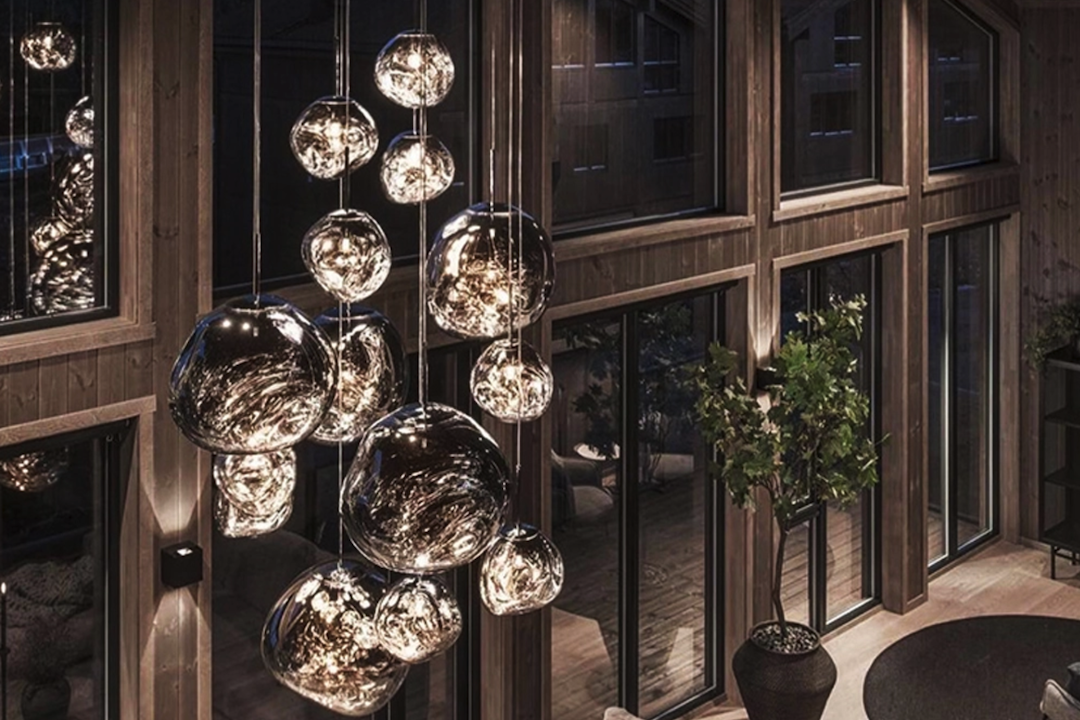
This influence is evident in contemporary wrought iron chandeliers that feature streamlined silhouettes and muted finishes. For example, a Nordic-inspired chandelier might incorporate geometric shapes and a monochromatic color palette, allowing it to blend seamlessly into modern restaurant interiors while still providing a nod to traditional craftsmanship. Additionally, the focus on sustainability in Nordic design has led to an increased interest in locally sourced materials and artisanal production methods, further enhancing the appeal of wrought iron chandeliers as eco-friendly lighting solutions.
The Benefits of Wrought Iron Chandeliers for Restaurant Lighting
Wrought iron chandeliers offer numerous benefits for restaurant lighting beyond their aesthetic appeal. One significant advantage is their durability; wrought iron is known for its strength and resilience, making it an ideal choice for high-traffic environments like restaurants. Unlike more fragile materials such as glass or plastic, wrought iron can withstand the rigors of daily use without compromising its structural integrity or appearance.
Another benefit lies in the versatility of lighting options that wrought iron chandeliers can provide. Many designs allow for multiple light sources, enabling restaurateurs to create varying levels of illumination depending on the time of day or specific dining experiences they wish to offer. For instance, during breakfast or lunch service, brighter lighting can enhance visibility and create an energetic atmosphere, while dimmer settings during dinner can foster intimacy and relaxation.
This adaptability allows restaurant owners to tailor their lighting schemes to suit different moods and occasions, ultimately enhancing customer satisfaction.
How to Incorporate Wrought Iron Chandeliers into Restaurant Design
Incorporating wrought iron chandeliers into restaurant design requires careful consideration of several factors to ensure they enhance rather than overwhelm the space. First and foremost is scale; selecting a chandelier that is proportionate to the size of the dining area is crucial. A large chandelier can serve as a stunning focal point in a spacious dining room with high ceilings, while smaller fixtures may be more appropriate for intimate settings or areas with lower ceilings.
Placement is another critical aspect to consider when integrating wrought iron chandeliers into restaurant design. Positioning them over tables can create a cozy ambiance while providing adequate lighting for diners. However, it’s essential to ensure that they are hung at an appropriate height—typically around 30 inches above the table—to avoid obstructing views or creating discomfort for guests.
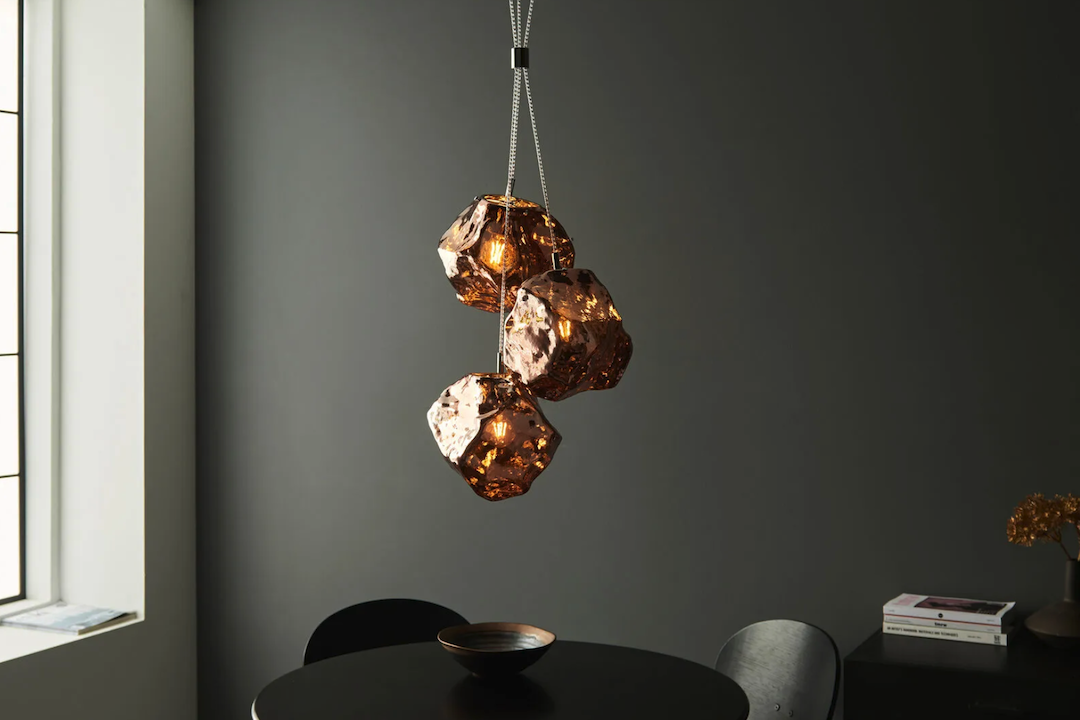
Additionally, grouping multiple smaller chandeliers can create visual interest and depth in larger spaces while maintaining a cohesive design theme.
Maintenance and Care Tips for Wrought Iron Chandeliers
Maintaining wrought iron chandeliers is essential for preserving their beauty and functionality over time. Regular cleaning is crucial; dust accumulation can dull the finish and diminish the fixture’s overall appearance. A soft cloth or feather duster can be used to gently wipe down the surface, while a mixture of mild soap and water can help remove more stubborn grime without damaging the finish.
It’s advisable to avoid harsh chemicals or abrasive materials that could scratch or corrode the iron. In addition to regular cleaning, periodic inspections are necessary to ensure that all components are functioning correctly. Checking for loose screws or connections can prevent potential hazards such as falling fixtures or electrical issues.
If any bulbs need replacing or if there are signs of wear on electrical components, addressing these issues promptly will help maintain safety standards while ensuring that the chandelier continues to provide optimal illumination.
Where to Find Authentic Nordic Wrought Iron Chandeliers for Restaurants
Finding authentic Nordic wrought iron chandeliers requires some research but can yield stunning results that elevate restaurant decor significantly. Specialty lighting stores often carry curated collections featuring designs inspired by Scandinavian aesthetics. These retailers typically prioritize quality craftsmanship and sustainable materials, ensuring that each piece reflects the principles of Nordic design.
Online marketplaces also offer a wealth of options for sourcing authentic Nordic wrought iron chandeliers. Websites dedicated to artisanal goods or vintage finds often feature unique pieces from independent designers or craftsmen who specialize in wrought iron work. Additionally, attending trade shows or design fairs focused on Scandinavian design can provide opportunities to connect directly with manufacturers and artisans who create these exquisite fixtures.
By exploring various avenues for sourcing these chandeliers, restaurant owners can find pieces that not only enhance their decor but also resonate with their brand identity and values.