
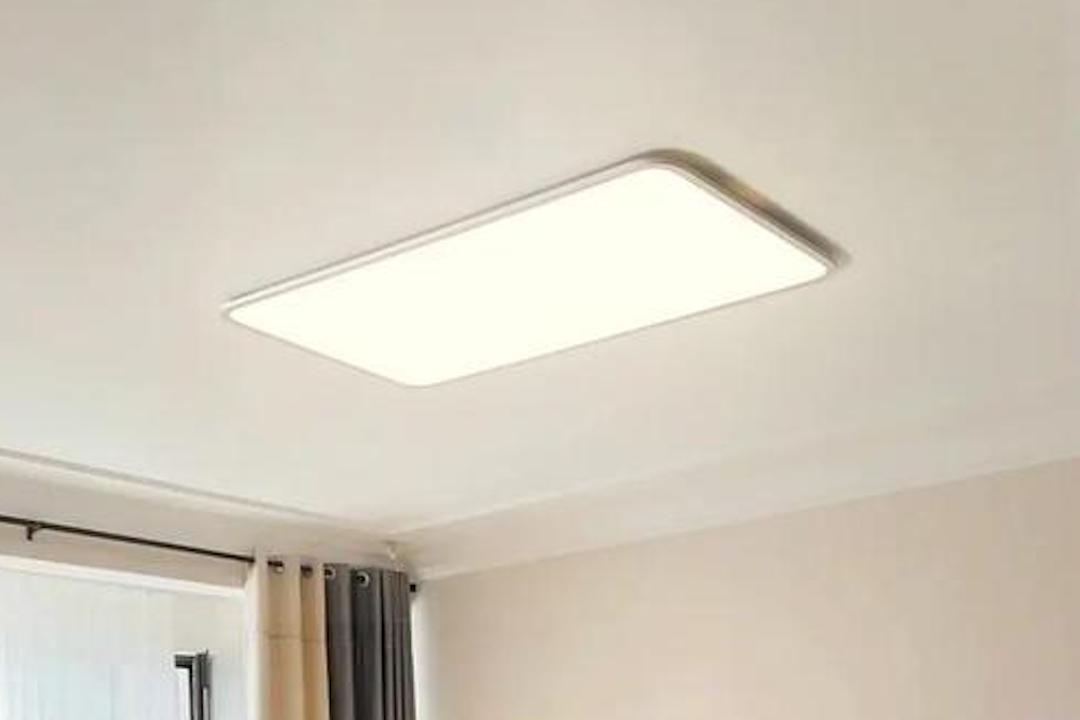
Neutral ceiling lighting, often overlooked in the grand scheme of interior design, plays a pivotal role in establishing both the functionality and aesthetic foundation of a room. Unlike statement fixtures that demand attention, neutral lighting operates as a sophisticated backdrop, providing illumination without imposing a dominant style. This article explores the various facets of neutral ceiling lighting, dissecting its advantages, common types, and strategic application in diverse environments.
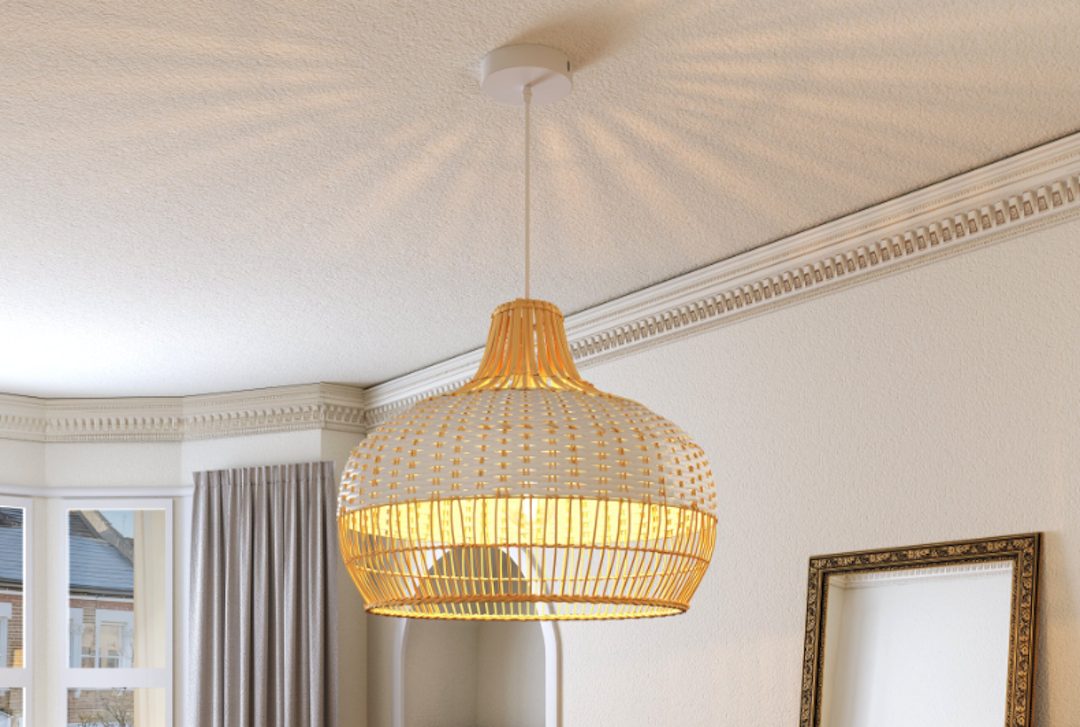
Neutrality in ceiling lighting Dijea refers to luminaires that provide illumination without drawing excessive visual attention to themselves. Their design is typically understated, often flush with the ceiling or semi-flush, characterized by simple forms, muted colors, and diffused light output. The primary objective is to furnish a room with adequate, even light, allowing other design elements to take center stage. Think of it as the canvas upon which the artistry of your interior design is painted. Without a well-prepared canvas, even the most vibrant colors and intricate details can appear muddled.
Beyond the Obvious: Why Neutrality Matters
While some might perceive “neutral” as synonymous with “boring,” in lighting design, it signifies versatility and timelessness. A neutral fixture avoids the pitfalls of fleeting trends, ensuring that your lighting solution remains relevant and effective for years. It’s the steadfast anchor in a sea of changing decor. This approach offers a significant advantage in adaptability, as the lighting can seamlessly integrate with future aesthetic shifts.
Distinguishing Neutral from Nondescript
It’s crucial to differentiate neutral lighting from merely nondescript or poorly designed fixtures. Neutrality implies thoughtful design focused on function and understated elegance. Nondescript, on the other hand, often suggests a lack of design consideration altogether, leading to fixtures that are ineffective or visually unappealing. A well-chosen neutral fixture contributes to the overall polish of a space, much like a perfectly tailored, unadorned suit enhances the wearer’s appearance.
Advantages of Opting for Neutral Ceiling Lighting
The decision to install neutral ceiling lighting brings with it a suite of practical and aesthetic benefits. These advantages extend beyond immediate visual appeal, impacting the long-term usability and adaptability of a space.
Versatility and Adaptability
Neutral ceiling lights possess an unparalleled ability to integrate into any existing or future decor style. From minimalist to traditional, industrial to bohemian, their understated presence ensures they never clash or compete with other design elements. This adaptability makes them an ideal choice for rooms that may undergo frequent stylistic changes or for individuals who prefer flexibility in their interior design. Imagine a chameleonic presence, effortlessly blending into its surroundings while diligently performing its core function.
Maximizing Perceived Space
For rooms with lower ceilings or limited square footage, neutral lighting, particularly flush mount or recessed options, can be instrumental in creating a sense of openness. By not physically intruding into the vertical space, they contribute to an uncluttered ceiling plane, making the room feel larger and airier. This is akin to removing tall, bulky furniture in a small room – the absence of obstruction allows the eye to travel freely, expanding the perceived boundaries.
Providing Consistent and Even Illumination
The primary function of most neutral ceiling lights is to provide general, ambient illumination. They are designed to diffuse light broadly and evenly across a room, minimizing harsh shadows and creating a comfortable, uniformly lit environment. This foundational layer of light is essential before considering any accent or task lighting. Think of it as the base layer of paint that ensures an even tone before any decorative layers are applied.
Cost-Effectiveness and Longevity
Due to their simpler designs and focus on robust functionality, many neutral ceiling lighting options are often more cost-effective to purchase and maintain than highly specialized or decorative fixtures. Their timeless aesthetic also means they are less likely to become outdated, reducing the need for premature replacements. This translates to long-term savings and a more sustainable approach to interior decorating.
Enhancing Other Design Elements
By receding into the background, neutral ceiling lighting allows other design features – such as artwork, furniture, or architectural details – to stand out and be properly showcased. It provides the necessary illumination without competing for visual attention, enabling these elements to become the focal points of the room. It acts as the well-lit stage where your chosen performers can truly shine.
Common Types of Neutral Ceiling Lighting Fixtures
The category of neutral ceiling lighting encompasses a variety of fixture types, each with its own installation method, aesthetic characteristics, and light distribution patterns. Understanding these distinctions is crucial for selecting the appropriate fixture for a given application.
Flush Mount Lights
Flush mount fixtures are installed directly against the ceiling, with little or no gap between the fixture and the surface. They are characterized by their low profile and typically feature a diffuser that spreads light evenly.
Applications of Flush Mount Lights
Flush mount lights are highly suitable for areas with low ceiling heights, such as basements, hallways, and bathrooms, where head clearance is a consideration. They minimize visual clutter and offer a clean, unobtrusive look. Their enclosed design also makes them practical for spaces where dust and moisture are concerns, assuming proper IP ratings.
Design Variations
While inherently simple, flush mount lights come in various shapes (round, square, rectangular) and finishes (white, brushed nickel, bronze). The diffuser material (opal glass, acrylic) can also influence the quality and color temperature of the emitted light.
Semi-Flush Mount Lights
Semi-flush mount fixtures suspend slightly below the ceiling, typically a few inches, by a short stem or rod. This small gap allows for some upward light dispersion, creating a softer glow and reducing harsh shadows directly below the fixture.
When to Choose Semi-Flush Mount
Semi-flush fixtures are an excellent compromise for rooms with standard ceiling heights (8-9 feet) where a flush mount might appear too utilitarian, but a pendant would be too low. They offer a touch more decorative flair than flush mounts while maintaining a relatively neutral profile. They provide a gentle lift to the ceiling, preventing a completely flattened appearance.
Aesthetic Considerations
The gap between the fixture and the ceiling can create a subtle halo effect, adding a layer of ambient light. The designs range from very simple dome shapes to more structured geometric forms, all while adhering to an understated aesthetic.
Recessed Lighting (Pot Lights/Can Lights)
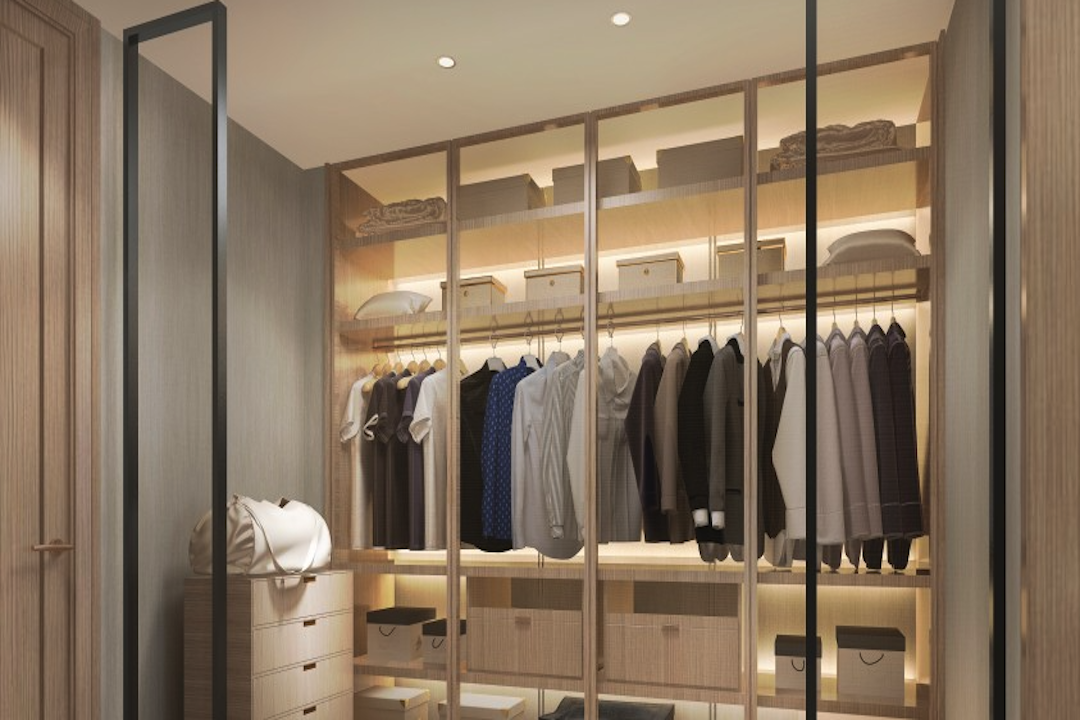
Recessed lighting involves fixtures installed within the ceiling structure itself, with only the trim or bezel visible at the ceiling surface. This creates the most seamless and integrated lighting solution possible.
Benefits of Recessed Lighting
Recessed lights are prized for their ability to provide unobtrusive, general illumination. When strategically placed, they can create a uniform wash of light across an entire room without any visible fixtures hanging down. This is particularly beneficial in modern or minimalist design schemes. They are the invisible workhorses of illumination, performing their duties silently and without fanfare.
Trim Styles and Beam Spreads
Recessed lighting offers a wide array of trim styles (baffle, reflector, eyeball, gimbal) that influence the visual appearance and light distribution. Various beam spreads (flood, spot, narrow spot) allow for both general ambient lighting and more focused task or accent lighting, making them highly versatile.
LED Panel Lights
LED panel lights are thin, flat luminaires designed to replace traditional fluorescent troffers or to be surface-mounted. They utilize LED technology to provide highly efficient and uniform illumination.
Modern Neutrality
These panels represent a contemporary approach to neutral ceiling lighting, offering a sleek, minimalist aesthetic. Their slim profile and even light distribution make them suitable for offices, commercial spaces, and increasingly, modern residential interiors. They embody a functional elegance, akin to a well-designed piece of technology that performs flawlessly without unnecessary embellishment.
Energy Efficiency and Longevity
LED panel lights are renowned for their energy efficiency and long operational lifespan, significantly reducing energy consumption and maintenance needs. They often come with options for adjustable color temperature, further enhancing their versatility.
Strategic Application of Neutral Ceiling Lighting in Various Rooms
The effectiveness of neutral ceiling lighting hinges on its strategic application within different room types. Understanding the unique demands of each space allows for optimized illumination.
Living Rooms: The Foundation of Ambiance
In living rooms, neutral ceiling lighting typically serves as the primary source of ambient light. It establishes a comfortable base illumination, upon which layers of accent and task lighting can be built.
Layering for Depth
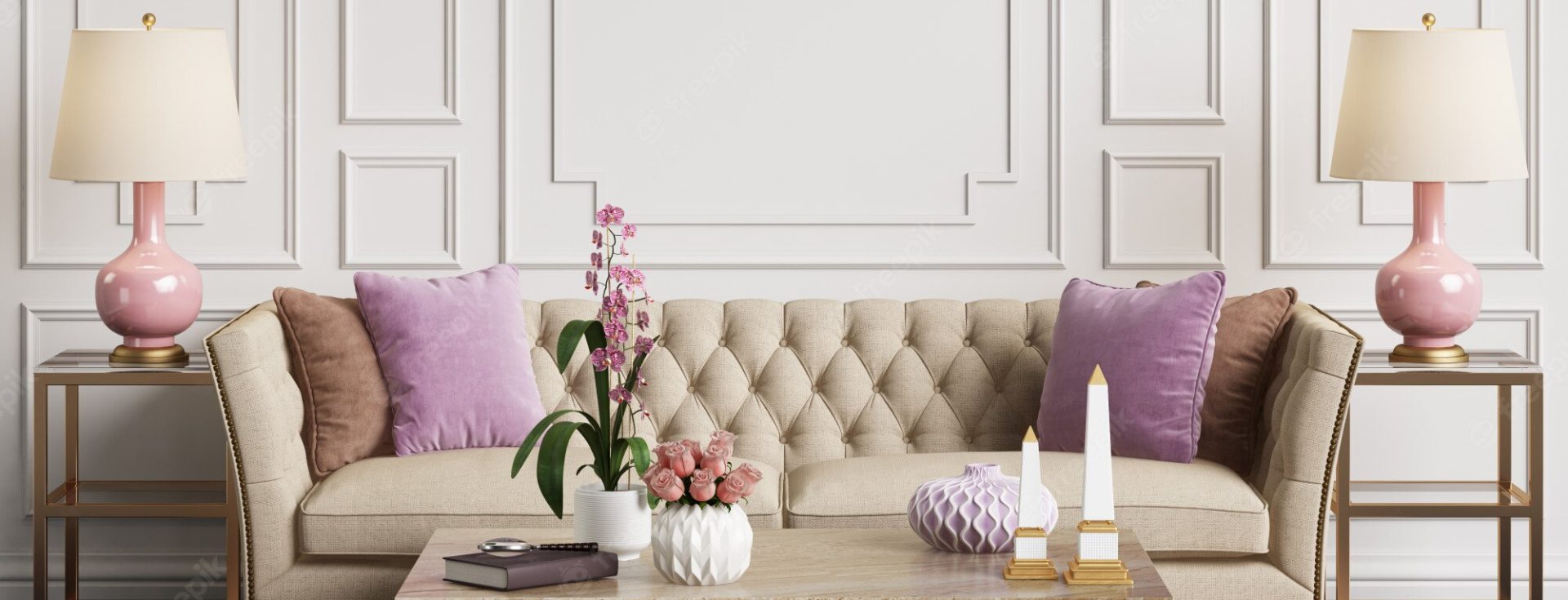
While neutral ceiling lights provide the general wash, they should ideally be complemented by other lighting sources such as table lamps, floor lamps, and picture lights. This layering creates depth and allows for adjustable ambiance, from a bright, welcoming space to a dimmer, more intimate setting. The neutral ceiling light acts as the broad daylight, while the additional fixtures provide the sunset hues and moonlit glows.
Dimmer Integration
For maximum flexibility, always incorporate dimmers with your neutral living room ceiling lights. This allows you to adjust the intensity of the light to suit the activity or mood, from lively gatherings to quiet evenings.
Kitchens: Functional Brightness
Kitchens demand clear, bright, and shadow-free illumination for tasks like food preparation and cooking. Neutral ceiling lighting is paramount in providing this functional brightness.
Avoiding Shadows
Flush mounts or recessed lighting, strategically placed, can provide widespread illumination that minimizes shadows on countertops and work surfaces. Consider combining general ambient lighting with specific task lighting directly above work areas (e.g., under cabinet lighting). The ceiling light is the overarching sun, ensuring overall visibility, while the task lights are the precision spotlights on your culinary stage.
Color Temperature Considerations
In kitchens, a cooler color temperature (around 3500K-4000K) is often preferred for its crispness, which enhances food presentation and helps with task performance. Neutral fixtures can easily accommodate these varying color temperatures.
Bedrooms: Subtle Comfort
In bedrooms, neutral ceiling lighting contributes to an atmosphere of calm and relaxation, providing adaptable illumination without being overly stimulating.
Soft and Diffused Light
Choose fixtures that offer soft, diffused light to avoid harshness, especially when waking up or winding down. Flush or semi-flush mounts with opaque diffusers are excellent choices. Recessed lights with wide beam spreads can also achieve this effect. The aim is a gentle, comforting illumination, like a soft blanket of light.
Dimmability for Mood
As with living rooms, dimmers are almost essential in bedrooms. They allow you to transition the light intensity from bright for cleaning or dressing to very low for a relaxing evening atmosphere.
Hallways and Foyers: Guiding Illumination
These transitional spaces benefit from consistent, reliable neutral lighting that guides movement and creates a welcoming first (and last) impression.
Uniform Spacing
In hallways, multiple flush or semi-flush mount fixtures, spaced evenly, provide continuous and safe illumination. Recessed lighting can also be used effectively to create a clean, uncluttered look. The lights act as a series of gentle navigational beacons.
Avoiding Obstruction
Given the often-narrow nature of hallways, low-profile neutral fixtures are crucial to avoid creating visual or physical obstructions.
Bathrooms: Practical and Clean Illumination
Bathrooms require practical, even lighting for grooming tasks, coupled with an ability to withstand moisture. Neutral ceiling lighting, especially with appropriate IP ratings, is an ideal fit.
Task and Ambient Blend
While mirror lighting (vanity lights) is critical for direct task illumination, neutral ceiling fixtures provide the essential ambient light, ensuring the entire room is well-lit and preventing harsh shadowing from the vanity lights alone. Imagine the ceiling light as the general illumination of the bathroom, ensuring no dark corners, while the vanity lights are precision instruments for specific tasks.
Moisture Resistance
Ensure that any ceiling lighting chosen for a bathroom possesses the appropriate Ingress Protection (IP) rating to protect against water splashes and humidity, particularly if positioned directly above a shower or bath.
Integrating Neutral Ceiling Lighting into a Cohesive Design
While neutral ceiling lighting aims to be unobtrusive, its selection and placement are still integral to a cohesive interior design scheme. It’s not about making it invisible, but making it perfectly complementary.
Considering Color Temperature
The color temperature of the light (measured in Kelvin) significantly impacts the mood of a room. Neutral ceiling lights are available across the spectrum, from warm white (2700K-3000K) which creates a cozy atmosphere, to cool white (3500K-4000K) suitable for task-oriented areas, to daylight (5000K-6500K) for spaces requiring maximum alertness. Choosing a consistent or complementary color temperature across your lighting fixtures contributes to a unified feel.
Material and Finish Selection
Even in neutral fixtures, the material and finish of the visible elements (trim, frame, diffuser) play a subtle role. Brushed nickel, white, black, or bronze finishes can be selected to harmonize with other hardware, plumbing fixtures, or existing décor while maintaining an understated presence. These small details are like the perfectly matched thread in a high-quality garment; they subtly enhance without drawing undue attention.
Smart Lighting Integration
Modern neutral ceiling lighting often incorporates smart technology, allowing for control via apps, voice commands, or automated schedules. This enhances functionality, energy efficiency, and convenience, empowering you to adjust brightness and sometimes even color temperature with ease.
Energy Efficiency
With a growing emphasis on sustainability, consider LED neutral ceiling lighting for its superior energy efficiency and long lifespan. This choice not only reduces your carbon footprint but also lowers long-term operational costs, making it a responsible and practical decision.
In conclusion, neutral ceiling lighting is far from a bland or uninspired choice. It represents a foundational element in effective interior illumination, providing versatility, consistent light, and enduring style without dominating the visual landscape. By understanding its various forms, advantages, and strategic applications, you can effectively leverage neutral ceiling lighting to create spaces that are both beautifully lit and eminently adaptable – a testament to the power of thoughtful, understated design.