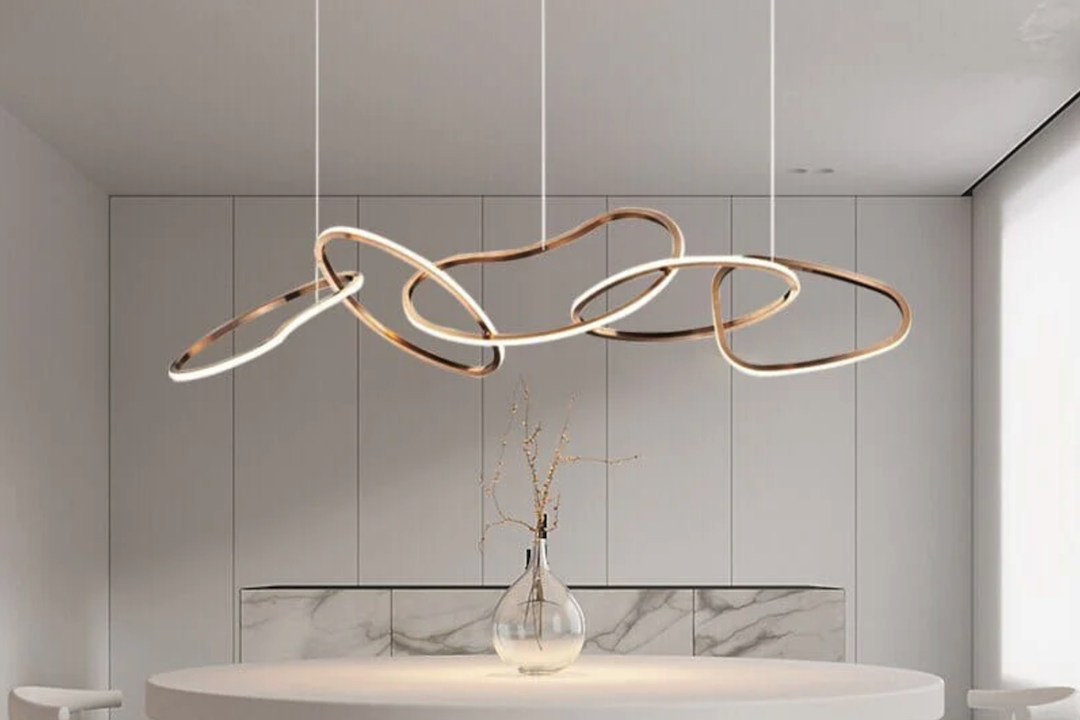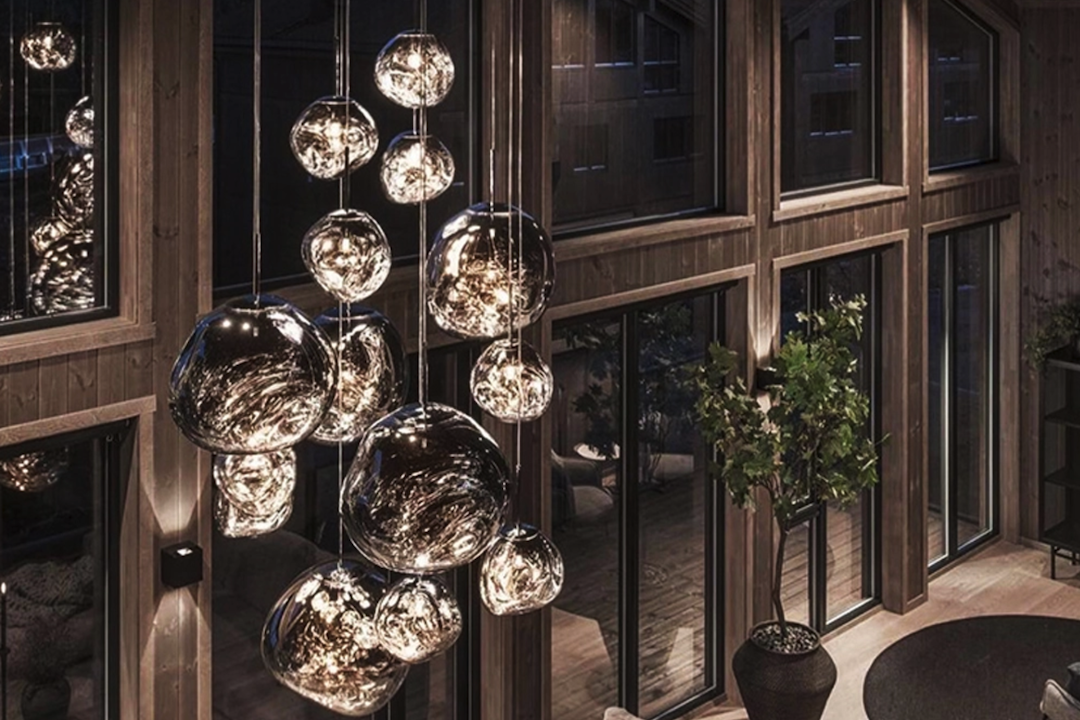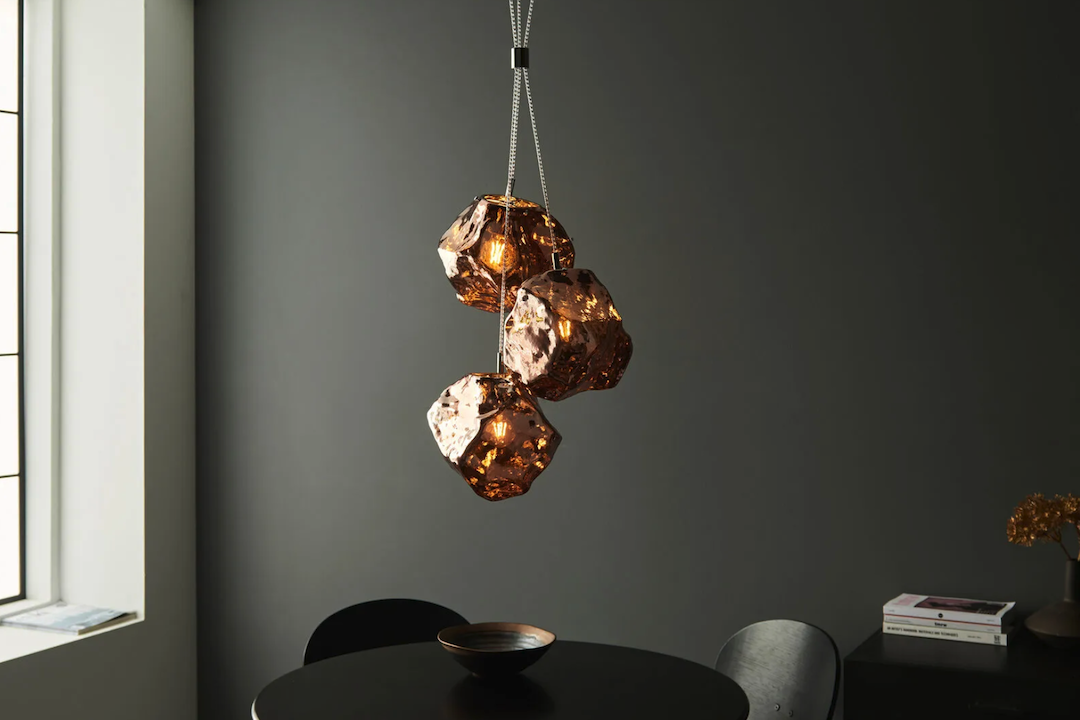

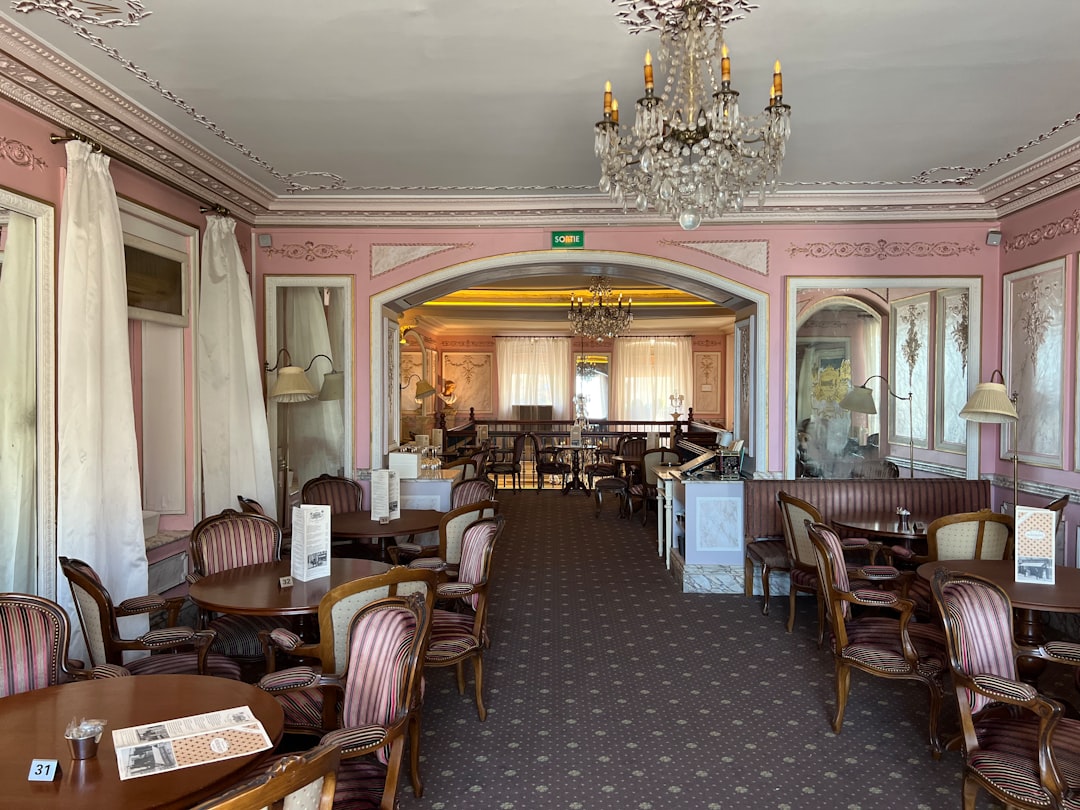
Nordic wrought iron restaurant chandeliers combine traditional metalworking techniques with modern design elements. These fixtures provide both lighting and serve as decorative centerpieces in dining establishments. The chandeliers are constructed using wrought iron, a malleable form of iron that allows for detailed shaping and intricate patterns.
These lighting fixtures originate from Nordic design traditions that emphasize natural materials and functional craftsmanship. The wrought iron construction provides durability and longevity, making these chandeliers suitable for commercial restaurant environments. The metal’s properties allow artisans to create complex geometric patterns, organic shapes, and detailed ornamental features.
In restaurant settings, Nordic wrought iron chandeliers create ambient lighting through their design structure, which typically includes multiple light sources positioned at various points throughout the fixture. The iron framework casts shadows and diffuses light, contributing to the overall lighting scheme of the dining space. Restaurant owners often select these chandeliers to establish a specific aesthetic that combines industrial materials with traditional craftsmanship elements.
The manufacturing process involves heating iron to high temperatures and shaping it through hammering, bending, and welding techniques. This process allows for customization in size, configuration, and decorative details to match specific restaurant interior requirements. The finished products typically feature protective coatings to prevent corrosion and maintain appearance in commercial environments.
History of Wrought Iron in Nordic Design
Wrought iron has a storied history in Nordic design, tracing its roots back to the Viking Age when blacksmiths forged tools, weapons, and decorative items from iron. The craftsmanship involved in working with wrought iron was highly regarded, as it required skill and artistry to manipulate the material into functional yet aesthetically pleasing forms. Over the centuries, this tradition evolved, with wrought iron becoming a staple in various aspects of Nordic architecture and design, including furniture, gates, and lighting fixtures.
During the Middle Ages, wrought iron gained prominence in Nordic countries as artisans began to incorporate intricate designs into their work. This period saw the emergence of decorative elements such as scrolls, floral motifs, and geometric patterns, which would later influence the design of chandeliers. The Industrial Revolution brought about advancements in iron production, making wrought iron more accessible to craftsmen and enabling them to experiment with new forms and styles.
As a result, the Nordic wrought iron chandelier became a symbol of both heritage and innovation, reflecting the region’s commitment to quality craftsmanship while embracing modern design trends.
Design Elements of the Nordic Wrought Iron Restaurant Chandelier
The design elements of a Nordic wrought iron restaurant chandelier are characterized by their simplicity and elegance, often drawing inspiration from natural forms and traditional motifs. One of the most notable features is the use of clean lines and organic shapes that evoke the surrounding landscape. For instance, many chandeliers incorporate elements reminiscent of tree branches or leaves, creating a harmonious connection between the interior space and the natural world outside.
This organic aesthetic is particularly appealing in restaurant settings where creating a serene dining experience is paramount. In addition to their organic shapes, Nordic wrought iron chandeliers often showcase intricate detailing that highlights the craftsmanship involved in their creation. Artisans may employ techniques such as hand-forging or welding to create unique patterns and textures on the surface of the iron.
The finish can vary from matte black to rustic patinas, allowing for customization that aligns with the overall theme of the restaurant. Furthermore, these chandeliers frequently incorporate glass or crystal elements that enhance their visual appeal while providing functional lighting. The combination of wrought iron with other materials adds depth and dimension to the design, making each piece a work of art in its own right.
The Elegance of Wrought Iron in Restaurant Decor
Wrought iron has long been celebrated for its elegance and versatility in interior design, particularly within restaurant decor. The material’s inherent strength allows for large-scale installations that can dominate a space without overwhelming it. When used in chandeliers, wrought iron can create a dramatic focal point that draws guests’ attention upward, enhancing the perception of height and space within the dining area.
This effect is particularly beneficial in restaurants with high ceilings or open floor plans, where a well-placed chandelier can anchor the design. Moreover, wrought iron’s ability to blend seamlessly with various design styles further contributes to its elegance in restaurant settings. Whether a restaurant embraces a rustic farmhouse aesthetic or a sleek modern vibe, wrought iron chandeliers can be adapted to suit any theme.
For example, a minimalist restaurant may opt for a simple wrought iron chandelier with clean lines and an understated finish, while a more traditional establishment might choose an ornate piece adorned with intricate scrollwork and vintage glass accents. This adaptability ensures that wrought iron remains a relevant choice for restaurateurs looking to create an inviting atmosphere that resonates with their target audience.
How to Incorporate the Nordic Wrought Iron Chandelier into Your Restaurant
Incorporating a Nordic wrought iron chandelier into a restaurant’s design requires careful consideration of several factors to ensure it complements the overall aesthetic while serving its functional purpose. First and foremost, it is essential to assess the scale of the chandelier in relation to the dining space. A large chandelier can serve as a statement piece in an expansive area, while smaller models may be better suited for intimate dining nooks or private rooms.
The placement should also be strategic; hanging the chandelier at an appropriate height ensures that it provides adequate lighting without obstructing sightlines or creating discomfort for diners. Color schemes and materials used throughout the restaurant should also inform the choice of chandelier. A wrought iron chandelier can harmonize beautifully with wooden tables, stone accents, or even modern furnishings when selected thoughtfully.
For instance, pairing a dark wrought iron chandelier with light wood elements can create a striking contrast that enhances both materials’ visual appeal. Additionally, incorporating other wrought iron elements—such as candle holders or wall sconces—can create a cohesive look throughout the space, reinforcing the theme while ensuring that each piece complements one another.
Maintenance and Care of Wrought Iron Chandeliers
Maintaining and caring for wrought iron chandeliers is essential to preserving their beauty and functionality over time. While wrought iron is known for its durability, it is still susceptible to rust and corrosion if not properly cared for. Regular cleaning is crucial; using a soft cloth or feather duster can help remove dust and debris without scratching the surface.
For more thorough cleaning, a mixture of mild soap and water can be applied with a soft sponge, followed by drying with a clean cloth to prevent moisture buildup. In addition to regular cleaning, periodic inspections are necessary to ensure that all components of the chandelier are secure and functioning correctly. Checking for loose screws or connections can prevent potential accidents or damage over time.
If rust is detected, it should be addressed promptly by sanding down affected areas and applying a protective sealant or paint designed for metal surfaces. By taking these proactive measures, restaurant owners can ensure that their Nordic wrought iron chandeliers remain stunning focal points for years to come.
The Versatility of Wrought Iron in Interior Design
Wrought iron’s versatility extends far beyond chandeliers; it plays an integral role in various aspects of interior design across different styles and settings. From furniture pieces like tables and chairs to decorative accents such as railings and wall art, wrought iron can be molded into countless forms that enhance both functionality and aesthetics. Its ability to be shaped into intricate designs allows it to serve as both structural support and decorative embellishment within spaces.
In contemporary interiors, wrought iron often finds itself paired with other materials such as glass, wood, or fabric to create striking contrasts that elevate design schemes. For example, combining wrought iron furniture with plush upholstery can soften its industrial edge while maintaining an elegant look. In rustic settings, wrought iron complements natural materials like stone or reclaimed wood beautifully, reinforcing themes of authenticity and craftsmanship.
This adaptability makes wrought iron an enduring choice for designers seeking to create cohesive environments that reflect their vision while accommodating diverse tastes.
Timeless Appeal of the Nordic Wrought Iron Chandelier
The Nordic wrought iron chandelier embodies a timeless appeal that transcends fleeting design trends, making it an enduring choice for restaurants seeking to create memorable dining experiences. Its rich history rooted in craftsmanship combined with its elegant design elements ensures that it remains relevant across various styles and settings. As restaurateurs continue to prioritize ambiance alongside culinary excellence, incorporating such striking pieces into their decor becomes essential for creating inviting spaces that resonate with patrons.
Ultimately, the allure of the Nordic wrought iron chandelier lies not only in its aesthetic qualities but also in its ability to evoke emotions and foster connections among diners. As guests gather beneath its warm glow, they are enveloped in an atmosphere that encourages conversation and camaraderie—a testament to the power of thoughtful design in enhancing everyday experiences.